
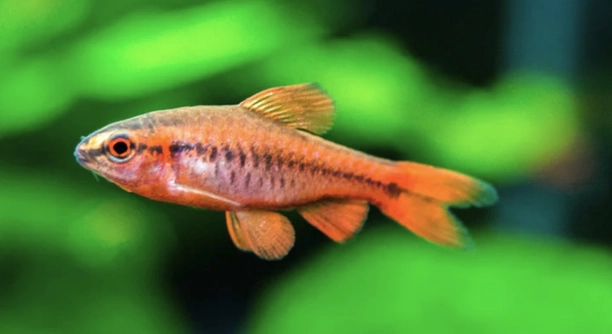
Cherry Barbs are small, active fish that require a balanced diet to thrive. Choosing the right foods can help keep them healthy and vibrant. Understanding their nutritional needs is key to ensuring their well-being in your aquarium.
To keep your Cherry Barb healthy, provide a variety of high-quality foods such as flake food, live or frozen bloodworms, brine shrimp, and vegetable matter. A diverse diet promotes optimal health and supports their natural behaviors.
These foods will enhance their growth and immune system, contributing to a happier, more active fish. Proper nutrition is essential for their overall health.
Flake Food: A Convenient Option
Flake food is one of the most popular and easy-to-use options for feeding Cherry Barbs. It’s widely available, affordable, and designed to provide a balanced diet. You can find formulas specifically tailored for freshwater fish, ensuring Cherry Barbs get the necessary vitamins, minerals, and proteins. It’s simple to use and helps to keep their diet varied. Just be sure to choose a high-quality product free from fillers and additives. Overfeeding should be avoided, as excess food can cause water quality issues. If used correctly, flake food can be a reliable staple for your Cherry Barbs.
Flake food offers convenience and balance, making it a solid choice for everyday feeding. However, you should supplement with live or frozen food to meet their complete nutritional needs.
While flake food is a reliable go-to, Cherry Barbs thrive on variety. Offering occasional live or frozen food options provides additional nutrients and excitement, keeping them healthy and engaged. Adding vegetable matter, such as blanched spinach, can further support their digestive health. By incorporating different types of food, you enhance their overall well-being.
Live and Frozen Foods: A Nutritious Treat
Live or frozen foods are a great way to provide Cherry Barbs with extra protein and essential nutrients. These foods, such as bloodworms, brine shrimp, and daphnia, closely mimic what they would eat in the wild. They are an excellent source of vitamins, amino acids, and fats that support their growth and immune function. Frozen versions are convenient, ensuring you can feed your fish these nutrient-dense options without the need for live food cultures. Live and frozen foods should be fed in moderation to avoid overfeeding and waste.
When fed occasionally, live or frozen foods can enhance the health of Cherry Barbs. It’s important to keep the water clean, as uneaten food can decay and negatively impact water quality.
Vegetable Matter: A Healthy Addition
Cherry Barbs benefit from the inclusion of vegetable matter in their diet. Offering blanched spinach, zucchini, or lettuce provides essential fiber that supports digestion and overall health. While they are primarily carnivorous, a small amount of plant matter helps balance their nutritional intake.
Vegetable matter also provides important vitamins and minerals. These nutrients help boost the immune system and promote healthy skin and coloration. It’s an easy and affordable addition to their diet. Just ensure the vegetables are prepared properly to avoid any issues with digestion. Fresh vegetables should be introduced gradually to avoid upsetting their stomachs.
Introducing vegetable matter into their diet can be a simple yet effective way to enhance your Cherry Barb’s health. Make sure you blanch or soften the vegetables before offering them. This makes it easier for your fish to eat and absorb the nutrients. Too much plant matter can cause water quality issues, so feed sparingly.
Live Plants: An Added Benefit
Adding live plants to your aquarium benefits both the fish and the tank’s ecosystem. Not only do plants help to filter the water and provide hiding spots for Cherry Barbs, but they also give your fish access to natural food sources like algae and microorganisms.
The natural environment created by live plants allows Cherry Barbs to forage and interact in a way that mimics their natural habitat. This promotes a healthier and more active lifestyle. Choose easy-to-care-for plants, like Java Fern or Anubias, which thrive in a variety of conditions. They also contribute to a more stable aquarium environment.
Live plants also help maintain water quality by absorbing excess nutrients and providing oxygen. They create a more balanced ecosystem, reducing the need for artificial filtration systems. As your Cherry Barbs interact with the plants, they experience a more enriching and natural environment, which can improve their overall well-being.
Frozen Foods: A Convenient Alternative
Frozen foods like brine shrimp and bloodworms are great for feeding Cherry Barbs. They offer essential nutrients and proteins without the hassle of live food. Simply thaw them before feeding to ensure your fish get the full nutritional benefits. Frozen foods are easy to store and maintain.
Frozen foods also come in various options, allowing you to rotate different types to maintain a balanced diet. These food choices are high in quality and provide great nutritional value, helping Cherry Barbs grow and stay healthy. They are a convenient option to add variety and nutrients to their diet.
Protein-Rich Foods: Essential for Growth
Protein is a crucial part of Cherry Barb’s diet, supporting their growth and muscle development. Offering protein-rich foods like brine shrimp, bloodworms, and daphnia helps meet their nutritional needs. These options provide amino acids and other nutrients that keep them active and vibrant. Protein is especially important during their growth stages and breeding seasons.
Including a mix of protein-rich foods alongside other options ensures that your Cherry Barbs receive the right balance. Overfeeding protein can lead to water quality issues, so portion control is key. A varied diet that includes protein will promote their health and longevity.
Commercial Fish Pellets: A Reliable Option
High-quality commercial pellets are designed to meet the nutritional needs of Cherry Barbs. These pellets are balanced, offering proteins, vitamins, and minerals to support their overall health. Look for sinking pellets, as they are ideal for this species, which often feeds at the lower levels of the aquarium.
Pellets are easy to store, cost-effective, and help simplify feeding routines. They also reduce the risk of overfeeding, as they are more controlled in terms of portion size. When selecting pellets, ensure that the ingredients are free from unnecessary fillers, as these can negatively impact the health of your fish.
FAQ
What is the best food for Cherry Barbs?
The best food for Cherry Barbs includes a mix of high-quality flake food, live or frozen options like bloodworms, brine shrimp, and daphnia, as well as some vegetable matter. A varied diet ensures they get all the necessary nutrients for growth, immunity, and overall health.
How often should I feed my Cherry Barbs?
Feed your Cherry Barbs once or twice a day, providing only as much as they can consume in a few minutes. Overfeeding can cause water quality problems. A regular feeding schedule keeps them healthy, active, and well-nourished, while preventing uneaten food from decaying.
Can Cherry Barbs eat only flake food?
While flake food provides a solid base for Cherry Barbs’ diet, they should not rely on it exclusively. Supplementing with live or frozen foods and occasional vegetable matter helps meet their full nutritional needs and adds variety to their diet, keeping them happy and engaged.
Do Cherry Barbs need live food?
Live food is not a necessity for Cherry Barbs, but it is a beneficial addition to their diet. Live or frozen foods like bloodworms and brine shrimp provide added protein and nutrients, which are essential for their growth and overall health. They help mimic their natural feeding behaviors.
Are there any vegetables Cherry Barbs can eat?
Cherry Barbs can eat a variety of vegetables, including blanched spinach, zucchini, and lettuce. These vegetables provide fiber and essential vitamins. Introduce vegetables gradually, ensuring they are soft enough for the fish to consume. Overfeeding vegetables can lead to water quality issues, so moderation is key.
Can I feed Cherry Barbs pellets?
Yes, high-quality pellets are a great option for Cherry Barbs. They are formulated to meet the nutritional requirements of freshwater fish and are often more nutritionally complete than flakes. Choose sinking pellets to ensure the fish can easily access them at the bottom of the tank.
Is it okay to feed Cherry Barbs only frozen food?
Frozen food can be a healthy addition to their diet but should not be the only food provided. Incorporating a mix of frozen food, flake food, and vegetables will give Cherry Barbs a balanced diet, supporting their long-term health. Frozen food alone may lack certain essential nutrients that a varied diet provides.
How do I keep my Cherry Barbs healthy with their diet?
To keep your Cherry Barbs healthy, focus on providing a balanced, varied diet. Include high-quality flake food, frozen or live foods for added protein, and occasional vegetables. Avoid overfeeding, as it can lead to water quality problems. Clean the tank regularly to remove uneaten food and maintain good water conditions.
Can I overfeed my Cherry Barbs?
Yes, overfeeding Cherry Barbs can lead to several issues, including poor water quality, obesity, and digestive problems. Feed them in small amounts that they can consume in a few minutes. Remove any leftover food to prevent it from decaying in the tank. Stick to a regular feeding schedule.
What are the signs of poor nutrition in Cherry Barbs?
Signs of poor nutrition in Cherry Barbs include sluggishness, faded colors, poor growth, and a lack of appetite. If these signs appear, check their diet to ensure it’s balanced. Insufficient protein, vitamins, or variety can lead to these issues. Regularly monitoring their health can help detect problems early.
Can Cherry Barbs eat algae?
While Cherry Barbs may nibble on algae in the tank, they cannot rely on it as their primary food source. Algae can be a supplementary food source, but they need a more balanced diet, including protein, vegetables, and vitamins, to stay healthy and active.
Should I feed my Cherry Barbs before or after water changes?
It’s best to feed your Cherry Barbs after performing a water change. This ensures that the water parameters are stable before feeding, reducing the risk of food getting washed away or altering water quality. Feeding after a water change gives the fish time to enjoy their food in cleaner water.
How can I encourage my Cherry Barbs to eat new foods?
To encourage your Cherry Barbs to eat new foods, introduce them gradually and in small amounts. You can also try soaking the food in garlic juice, which can make it more appealing to fish. Offering a variety of food types helps stimulate their appetite and ensure they get the nutrients they need.
Are Cherry Barbs herbivores or carnivores?
Cherry Barbs are omnivores, meaning they eat both plant and animal matter. Their diet should include a mix of protein sources like live or frozen food and plant-based foods like vegetables. This varied diet helps maintain their health and supports natural behaviors in the tank.
Can Cherry Barbs eat shrimp or snails?
Cherry Barbs may occasionally nibble on small shrimp or snails, especially if they are smaller than the Barbs. However, it’s better to keep the tank stocked with larger shrimp or snails that are not at risk of being eaten. Ensure there is enough food to keep the Cherry Barbs satisfied without relying on other tank inhabitants.
What is the best way to store fish food?
Store fish food in a cool, dry place, away from direct sunlight. Keep the food in an airtight container to prevent moisture and air from degrading its quality. This helps preserve the nutrients and ensures the food remains fresh. Avoid storing food for long periods, as its nutritional content can deteriorate over time.
Final Thoughts
Maintaining a healthy diet for your Cherry Barbs is essential for their overall well-being. A balanced mix of high-quality flakes, live or frozen foods, and occasional vegetables helps ensure that they receive all the nutrients they need. Protein-rich foods like brine shrimp and bloodworms, along with vegetable options like spinach and zucchini, provide the necessary vitamins and minerals. A varied diet keeps them active, vibrant, and healthy, preventing any nutritional deficiencies.
Feeding Cherry Barbs also requires attention to portion control and frequency. Overfeeding can lead to poor water quality and health issues. It’s best to feed them small amounts of food twice a day, ensuring they can consume everything within a few minutes. Removing any uneaten food prevents it from decaying and negatively impacting the tank’s water quality. Maintaining a clean and stable environment plays a significant role in your fish’s overall health. Regular water changes, proper filtration, and routine tank cleaning help keep everything in check.
Lastly, remember that Cherry Barbs are omnivores, so their diet should include both animal and plant-based foods. By offering them a variety of food types, you create an environment where they can thrive. Their diet not only influences their health but also their behavior and activity levels. Keeping a close eye on their feeding habits and adjusting the diet as necessary can help your Cherry Barbs live a long and healthy life in your aquarium.

Hello,
If you enjoy the content that we create, please consider saying a "Thank You!" by leaving a tip.
Every little bit helps us continue crafting quality advice that supports the health, happiness, and well-being of pets around the world, for pets of all shapes, sizes, and species.
We really appreciate the kindness and support that you show us!