
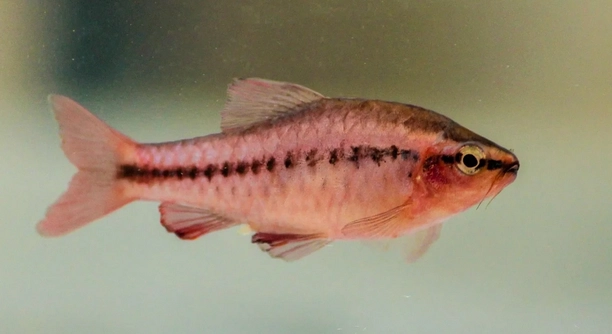
Cherry Barbs are active fish, often darting around the tank. This behavior is common, but it can raise concerns for fish owners. Understanding why they dart can help ensure their well-being and comfort.
The primary cause for darting behavior in Cherry Barbs is stress or environmental factors. Changes in water conditions, water temperature, or the presence of tank mates can lead to this type of behavior. Addressing these issues can help alleviate their stress.
Addressing these factors can improve your Cherry Barb’s health and create a peaceful aquarium environment. Proper care ensures they thrive in your tank.
Common Causes of Darting in Cherry Barbs
One of the most common reasons Cherry Barbs dart around the tank is stress. This can happen when the water conditions are not ideal. Factors like changes in water temperature, pH, or ammonia levels can create discomfort. Stress also arises from overcrowding or aggressive tank mates. If there is not enough space or if your Cherry Barb feels threatened, it will likely become more active and dart around. A sudden change in the environment, like a new filter or decoration, can also contribute to this behavior.
Inadequate water conditions and tank stress can lead to Cherry Barbs swimming erratically. They will often dart around in search of comfort or safety. It’s important to monitor the tank closely and adjust any factors that could cause stress.
Proper care for your fish includes maintaining a stable environment. Regularly test the water quality and make gradual changes to the tank. With proper adjustments, you can reduce darting and keep your fish happy.
Improving Your Cherry Barb’s Environment
Ensuring the tank is the right size and the water quality is maintained can drastically reduce darting behavior.
Making small changes to your aquarium setup can provide relief. Gradual adjustments in water temperature or rearranging decorations can help make the environment feel safer. A proper filtration system is essential to keep the water clean.
Overcrowding and Stress
Overcrowding is a significant stressor for Cherry Barbs. When too many fish are placed in a tank, it limits their space to swim freely, leading to frustration and erratic behavior. Maintaining a balanced fish population ensures your Cherry Barbs feel secure and have room to move comfortably.
To avoid overcrowding, be mindful of the size of your tank and the number of fish it can support. Each Cherry Barb needs at least 10 gallons of water to thrive. Overcrowded tanks can also lead to poor water quality, which adds additional stress.
If your tank is crowded, consider rehoming some fish or upgrading to a larger aquarium. By providing enough space, you’ll reduce the chances of darting behavior and allow your Cherry Barbs to swim with ease.
Tank Mates and Aggression
Cherry Barbs can be sensitive to aggressive tank mates, which can make them feel threatened and cause erratic movements. If your tank includes more aggressive fish, your Cherry Barb may dart around to avoid being chased or nipped. It’s essential to pair them with peaceful species.
When selecting tank mates for Cherry Barbs, choose calm and non-aggressive fish. Avoid larger, territorial species that may intimidate the smaller Cherry Barbs. Peaceful schooling fish or other gentle fish are ideal companions. This allows your Cherry Barb to swim freely and reduces their anxiety.
By ensuring that your tank mates are compatible, you can create a calm environment where your Cherry Barb feels secure. A peaceful tank will significantly reduce darting behavior and improve the overall health of your fish.
Water Quality and Temperature
Water quality is crucial to your Cherry Barb’s well-being. High levels of ammonia or nitrites can cause stress, leading to erratic swimming. Regular water changes and filtration are key to maintaining a healthy environment.
Keep the water temperature stable between 74-80°F (23-27°C). Fluctuating temperatures can cause discomfort, prompting darting behavior. Use a reliable heater to prevent sudden temperature changes.
Diet and Feeding Habits
An improper diet can also affect your Cherry Barb’s behavior. Inadequate nutrition can cause stress, leading to darting as they search for food. Ensure that you provide a balanced diet with high-quality fish flakes, pellets, and occasional live or frozen foods.
Feeding your Cherry Barb regularly, but not overfeeding, ensures they receive enough nutrients. Uneaten food can also pollute the water, which can further contribute to stress. Be mindful of how much you feed to avoid both waste and hunger.
Tank Decoration and Hiding Spots
Providing your Cherry Barbs with adequate hiding spots can reduce stress. They prefer environments where they can seek shelter if needed. Adding plants, rocks, or caves creates a more natural and comfortable habitat.
Make sure the tank includes enough hiding spots for your fish to retreat when they feel stressed or threatened. This will give them a sense of security and help keep their darting behavior at bay.
FAQ
Why is my Cherry Barb swimming erratically?
Erratic swimming can be a sign of stress. Poor water quality, overcrowding, aggressive tank mates, or sudden changes in the tank environment can all cause Cherry Barbs to swim erratically. They might also become more active if they’re feeling threatened or if they’re searching for food. To resolve this, check your water parameters, ensure the tank isn’t overcrowded, and make sure your tank mates are compatible. Adding hiding spots or plants can also help create a safer environment.
What temperature is best for Cherry Barbs?
Cherry Barbs prefer water temperatures between 74-80°F (23-27°C). Keeping the water temperature consistent is essential, as sudden fluctuations can cause stress and lead to darting behavior. Use an aquarium heater to maintain the ideal temperature. Testing the water regularly helps ensure the temperature stays within the appropriate range.
How often should I change the water in my Cherry Barb tank?
Water changes are important to maintain good water quality. For a Cherry Barb tank, change 25-30% of the water every two weeks. If you have a heavily stocked tank, consider more frequent water changes to prevent the build-up of waste and toxins. Always treat the replacement water to remove chlorine or chloramine before adding it to the tank.
Can Cherry Barbs live with other fish?
Yes, Cherry Barbs can live with many other peaceful species. They are social and do well in community tanks. Avoid aggressive or territorial fish, as these can stress out the Cherry Barbs. Good tank mates include other small, peaceful species like tetras, rasboras, or mollies. It’s important to monitor interactions between fish to ensure a peaceful environment.
Why is my Cherry Barb hiding all the time?
Hiding can be a sign of stress or illness. If your Cherry Barb is hiding and swimming erratically, check the water quality and ensure that tank conditions are stable. Stress from aggressive tank mates or a lack of hiding spots can also lead to this behavior. Make sure the tank has plenty of plants, rocks, or caves for your Cherry Barb to feel secure.
Do Cherry Barbs need a lot of space?
Cherry Barbs need enough space to swim comfortably. A minimum of 10 gallons of water is recommended for a small group of Cherry Barbs. If the tank is too small, they may feel cramped, which can lead to stress and increased darting behavior. Larger tanks offer better water quality and more room for the fish to swim freely.
Are Cherry Barbs schooling fish?
Yes, Cherry Barbs are schooling fish. They feel more secure and act more naturally when kept in groups of at least five or six. Keeping them in smaller groups can lead to stress and erratic swimming. A small school provides them with the opportunity to socialize, which helps reduce stress and makes them feel safer.
Can I feed my Cherry Barb a varied diet?
A varied diet is beneficial for Cherry Barbs. They are omnivores and will enjoy a mix of high-quality flakes or pellets, along with occasional live or frozen foods like brine shrimp or bloodworms. Offering a varied diet ensures they get the proper nutrients they need to stay healthy. Avoid overfeeding, as excess food can pollute the tank and cause water quality issues.
Why is my Cherry Barb chasing other fish?
If your Cherry Barb is chasing other fish, it could be due to territorial behavior or a lack of space. Cherry Barbs are generally peaceful, but they may become more assertive if they feel threatened or if the tank is too small. Make sure there are enough hiding spots and plants to reduce aggression. Keeping them in groups can also help to minimize territorial disputes.
How can I tell if my Cherry Barb is sick?
Signs that your Cherry Barb may be sick include changes in swimming behavior (like lethargy or erratic movements), a loss of appetite, discoloration, or visible lesions on their body. If you notice any of these symptoms, test the water for any imbalances, and check for signs of illness like parasites or fungus. If necessary, isolate the sick fish in a quarantine tank to prevent the spread of disease.
Can Cherry Barbs live without a filter?
It’s not recommended to keep Cherry Barbs without a filter. A filter helps maintain clean water by removing debris and waste, preventing toxic buildup. If you cannot use a filter, ensure regular water changes and good aeration to maintain water quality. A filter also helps provide oxygen, which is important for fish health.
Do Cherry Barbs lay eggs?
Yes, Cherry Barbs are egg layers. The female will lay eggs, which the male fertilizes. The eggs are often scattered among plants or decorations in the tank. If you want to breed Cherry Barbs, provide a separate breeding tank with dense plant coverage. Ensure the water quality is optimal to encourage successful spawning.
How long do Cherry Barbs live?
Cherry Barbs typically live for 3 to 5 years in a well-maintained tank. Providing proper care, including optimal water conditions, a balanced diet, and compatible tank mates, can help extend their lifespan. Keeping them in a stress-free environment is crucial for their long-term health and well-being.
What is the best filtration for Cherry Barbs?
A gentle filtration system is ideal for Cherry Barbs. They prefer calm waters, so avoid strong currents. A sponge filter or an external filter with adjustable flow is a good choice. These filters provide effective cleaning while keeping the water movement mild, which is more comfortable for the Cherry Barbs.
Why is my Cherry Barb turning pale?
Paleness in Cherry Barbs can indicate stress, poor water quality, or illness. Stress from environmental changes or aggressive tank mates can cause them to lose color. Check the water parameters and remove any stressors. If the fish doesn’t regain color after making adjustments, there may be an underlying health issue.
Final Thoughts
Cherry Barbs are relatively easy to care for when provided with the right environment. A stable tank with clean water, proper filtration, and suitable tank mates can keep them healthy and reduce stress-related behaviors like darting. Understanding their needs and monitoring the tank conditions can help you prevent common issues that lead to erratic swimming. Regular water changes, a balanced diet, and the addition of hiding spots are key steps to ensure your Cherry Barbs are happy.
While darting behavior can be concerning, it’s usually a sign that something in the environment isn’t quite right. Whether it’s water quality, temperature fluctuations, or a lack of hiding places, addressing these factors can greatly reduce this behavior. It’s important to observe your Cherry Barbs and make adjustments based on what seems to be affecting them. If darting persists, checking for illnesses or parasites is a good next step, as these can also cause erratic movement.
By keeping your Cherry Barbs in a suitable tank with stable conditions, you ensure they live their best life. Small changes, like adjusting the temperature or introducing more plants, can make a significant difference. Always observe how they interact with other fish, and ensure the tank setup aligns with their natural habits. With the right care, your Cherry Barbs can be a peaceful and vibrant addition to your aquarium for years to come.

Hello,
If you enjoy the content that we create, please consider saying a "Thank You!" by leaving a tip.
Every little bit helps us continue crafting quality advice that supports the health, happiness, and well-being of pets around the world, for pets of all shapes, sizes, and species.
We really appreciate the kindness and support that you show us!