
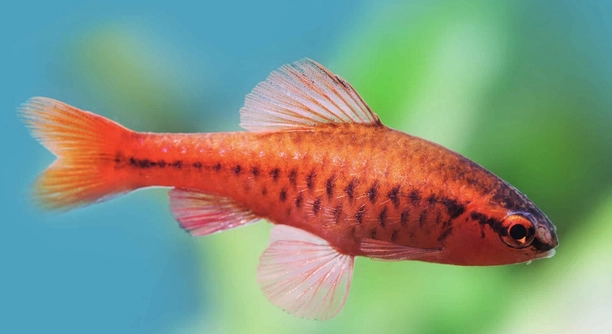
Changing the water in your aquarium regularly is vital for keeping your fish healthy. If you have cherry barbs, it’s important to know how often you should change their water to maintain a stable environment.
The water in a cherry barb tank should be changed every 1-2 weeks, with partial changes of 25-30% each time. This helps maintain water quality and prevents the buildup of harmful toxins, ensuring a healthier environment for your fish.
Understanding the right schedule for water changes is key to maintaining a balanced aquarium. Proper maintenance can improve the health and lifespan of your cherry barbs.
Importance of Regular Water Changes for Cherry Barbs
Maintaining clean water is essential for cherry barbs’ health. They are sensitive to poor water quality, which can lead to stress and disease. Over time, waste from uneaten food, fish waste, and other debris can build up. This leads to the accumulation of harmful substances, like ammonia and nitrites. By changing the water regularly, you help remove these toxins, keeping the tank environment stable and safe for your fish.
A clean tank also helps with overall water clarity and oxygen levels. When there is less waste, the water is less likely to become cloudy, and oxygen can circulate more freely. This is especially important for active species like cherry barbs, who need oxygen-rich water to thrive. Regular water changes also help maintain stable pH and temperature levels, two factors that can greatly affect fish health.
Without proper water maintenance, cherry barbs can become stressed, which weakens their immune system and makes them more susceptible to diseases. Ensuring that their environment stays clean and stable helps them feel secure and live longer, healthier lives.
What to Do Between Water Changes
Between water changes, it’s essential to monitor water quality. Regular testing for ammonia, nitrite, and nitrate levels helps identify any potential issues.
If water quality is poor despite regular changes, look into improving filtration. A good filter helps remove waste and maintain balance. Cleaning the filter and adjusting its strength can prevent the buildup of harmful substances. Regularly removing debris and excess food from the tank also aids in maintaining cleanliness.
Maintaining proper water quality is crucial for cherry barbs’ health and vitality. Regular monitoring can make all the difference in ensuring they live a long and healthy life.
Water Testing and Monitoring
Testing the water regularly is essential for maintaining a healthy tank. Ammonia, nitrite, and nitrate levels should be checked at least once a week to ensure the water is safe for cherry barbs. High levels of ammonia or nitrites can be harmful and cause stress or illness.
Use a reliable water test kit to measure the levels of these compounds. It’s best to keep a log to track the changes over time. When you notice any fluctuations, consider adjusting your water change schedule or adding more filtration. Ensuring the water is within the correct range for each compound will keep your cherry barbs happy and healthy.
Regular water testing provides peace of mind and helps catch any problems early. If the test results show high levels of ammonia or nitrites, you may need to perform an extra water change. This quick action will help prevent any potential harm to your fish.
Choosing the Right Filter
A good filter is essential for keeping the tank clean between water changes. Choose a filter that suits the size of your aquarium and the needs of your fish. A filter that is too weak will not properly clean the water, while one that is too strong may stress out your cherry barbs.
The filter should be able to remove debris, excess food, and waste from the water. A sponge or hang-on-back filter is a good option for a tank with small fish like cherry barbs. It’s also important to clean the filter regularly to ensure it’s working efficiently.
The filtration system plays a key role in maintaining water quality. A high-quality filter will reduce the amount of waste in the tank and ensure that the water stays clean for longer periods. This will make your water changes more effective and help provide a better living environment for your fish.
Managing Tank Temperature
Keeping the water at a stable temperature is important for cherry barbs. Extreme temperature fluctuations can stress the fish, leading to health problems. Use a reliable aquarium heater to maintain a consistent temperature in the tank. Regularly check the thermometer to ensure the water remains within the ideal range.
Cherry barbs thrive in water that is between 72°F and 80°F. A stable temperature supports their metabolism and overall well-being. Sudden temperature changes can weaken their immune system and make them more vulnerable to illness. If the temperature drops too low or spikes too high, consider adjusting the heater or moving the tank to a more suitable location.
Water Additives and Conditioners
Water conditioners can help treat tap water for chlorine, chloramines, and heavy metals that could harm your cherry barbs. Always use a water conditioner before adding water to the tank. This will neutralize any harmful substances and create a safer environment for your fish.
Water conditioners also help balance pH and improve overall water quality. Consider using them if you notice any imbalances in your tank’s water. While not always necessary, they can be useful for addressing specific water quality issues.
Aquarium Decorations and Substrate
Proper tank decorations and substrate can make a difference in your cherry barbs’ environment. Avoid sharp or rough materials that could injure them. Opt for smooth rocks, plants, and soft substrates that encourage natural behavior without posing a risk.
The right decorations provide hiding spots and reduce stress. Cherry barbs enjoy swimming among plants and decorations, so including natural elements helps them feel secure. Be sure to clean decorations regularly to prevent algae growth and debris buildup, keeping the tank clean between water changes.
FAQ
How do I know if the water quality is poor?
If the water appears cloudy, has an ammonia or fishy smell, or if you notice your cherry barbs acting stressed or lethargic, the water quality may be poor. You should test for ammonia, nitrites, and nitrates regularly to check for unsafe levels. High readings in any of these compounds can indicate that the water needs to be changed.
How often should I test my aquarium water?
It’s recommended to test the water at least once a week. Regular testing helps you stay on top of any changes in water quality before they become a serious problem. For newly set-up aquariums, testing may be needed more frequently during the first few weeks to ensure everything is stable.
Can I use tap water for my cherry barb tank?
Tap water can be used, but it should be treated with a water conditioner to neutralize chlorine, chloramines, and heavy metals that could harm your fish. Depending on your water source, you may need to adjust the pH or hardness levels to suit your cherry barbs.
What is the ideal pH for cherry barbs?
Cherry barbs thrive in water with a pH level between 6.0 and 7.5. It’s best to keep the pH consistent, as drastic fluctuations can cause stress and health issues. Regularly check the pH to ensure it stays within the ideal range for your fish.
How long can I go without changing the water?
Cherry barbs need regular water changes to keep the tank environment clean. It’s recommended to change 25-30% of the water every 1-2 weeks. If you wait too long, the buildup of waste and toxins can lead to poor water quality and potential health problems for the fish.
Is it safe to change all of the water at once?
It’s not recommended to change all the water at once. This can cause a sudden shift in water parameters, such as temperature and pH, which can stress your cherry barbs. Stick to partial water changes to maintain stability in the tank.
Should I remove the fish during a water change?
It’s not necessary to remove the fish during a water change, as long as you don’t disturb the tank too much. However, if you’re doing a significant cleaning, it’s a good idea to temporarily move the fish to a safe holding tank to prevent them from being stressed by the changes.
How do I clean the substrate?
To clean the substrate, use a siphon to vacuum up debris and waste that has settled at the bottom. This helps keep the tank clean without disturbing the delicate balance of the aquarium. Be gentle to avoid stirring up too much dirt, which could cloud the water.
Can I use a filter during a water change?
Yes, it’s best to leave the filter running during a water change. The filter helps remove debris and maintain water quality, even during the process. However, be sure to clean the filter media regularly to ensure it’s working efficiently.
Do I need to clean my filter often?
It’s important to clean the filter regularly, but not too frequently. Cleaning the filter media every 4-6 weeks is generally recommended. Over-cleaning can remove beneficial bacteria that help break down waste. Rinse the filter in tank water, not tap water, to preserve these bacteria.
How do I prevent algae growth in my tank?
To prevent algae growth, reduce the amount of light the tank gets each day. You can also limit the nutrients that promote algae by performing regular water changes and removing uneaten food and waste. Having live plants in the tank can help absorb excess nutrients that algae feed on.
What is the best filter for a cherry barb tank?
A sponge filter or a hang-on-back filter works well for cherry barbs, as they are gentle and provide adequate filtration. Choose a filter that is appropriate for the size of your tank and can handle the bioload. Make sure it doesn’t create too much current, as cherry barbs prefer calm water.
What should I do if my cherry barbs are stressed?
If your cherry barbs are showing signs of stress, check the water quality first. Poor water quality, overcrowding, or sudden temperature fluctuations can cause stress. Make sure the tank is well-maintained, and consider adjusting the environment to suit their needs. Reducing noise and handling the tank gently can also help.
Can cherry barbs live with other fish?
Yes, cherry barbs are peaceful fish and can live with other non-aggressive species. Avoid pairing them with large or overly territorial fish that might intimidate them. Good tank mates for cherry barbs include small peaceful species like tetras, guppies, and rasboras.
Do cherry barbs need a filter?
Yes, a filter is essential for maintaining good water quality. It helps remove waste, uneaten food, and toxins from the tank. A filter also supports the growth of beneficial bacteria, which break down harmful compounds in the water. Regular water changes work best in combination with an efficient filtration system.
Can cherry barbs tolerate salt in the tank?
Cherry barbs are generally freshwater fish and do not need salt in their tank. However, some aquarium owners use small amounts of salt for treating specific diseases. It’s important to research salt use carefully, as it can harm certain species if used improperly.
What temperature should the tank be for cherry barbs?
The ideal temperature range for cherry barbs is between 72°F and 80°F. Keeping the temperature stable is crucial for their health, as fluctuations can stress them out. Use a reliable heater to maintain a consistent temperature, and regularly monitor it to ensure it stays within the ideal range.
Final Thoughts
Maintaining the right water conditions for your cherry barbs is crucial to their health and well-being. Regular water changes, testing for water quality, and keeping a stable temperature all play a key role in ensuring your fish thrive. Without proper care, water quality can quickly deteriorate, leading to stress and health issues for your fish. Staying on top of these factors will help prevent problems and keep your cherry barbs happy in their environment.
It’s important to find a balance between cleaning the tank and maintaining its stability. While frequent water changes are necessary, over-cleaning can disrupt the beneficial bacteria in the filter and substrate. Additionally, avoiding overfeeding and removing waste promptly will help keep the water clean without causing harm to the tank’s ecosystem. Keep an eye on the fish for any signs of stress or illness, as these could be early indicators of poor water conditions or other problems.
Ultimately, keeping your cherry barb tank in good condition requires attention to detail and consistent care. By following a routine of water testing, changes, and maintenance, you’ll create a healthy environment where your fish can thrive. A little effort goes a long way in ensuring that your cherry barbs live long, healthy lives in a peaceful and balanced aquarium.

Hello,
If you enjoy the content that we create, please consider saying a "Thank You!" by leaving a tip.
Every little bit helps us continue crafting quality advice that supports the health, happiness, and well-being of pets around the world, for pets of all shapes, sizes, and species.
We really appreciate the kindness and support that you show us!