
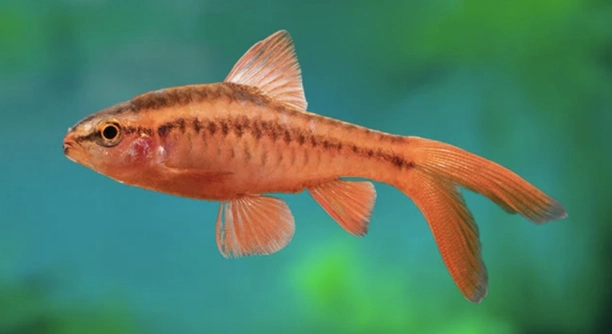
Cherry barbs are popular aquarium fish, known for their vibrant colors and peaceful nature. However, like any pet, they are prone to specific health issues that may arise if not properly cared for.
Common cherry barb health problems include skin diseases, parasites, digestive issues, and stress-related conditions. Addressing these concerns early through proper tank maintenance, a balanced diet, and consistent observation can help prevent serious health complications.
Keeping your cherry barbs in a clean, stress-free environment is key to preventing health issues and ensuring their longevity.
Skin Diseases and Fungal Infections
Cherry barbs are prone to skin diseases, especially fungal infections, which often appear as white patches or fuzzy growths on their skin. These conditions are commonly caused by poor water quality, overcrowding, or stress. When the fish’s immune system weakens, they become more susceptible to these infections.
To prevent skin diseases, maintain a stable environment by regularly cleaning the tank, monitoring the water temperature, and checking pH levels. Ensure there is no overpopulation, as crowded tanks increase stress levels and reduce the ability of the fish to stay healthy.
If a cherry barb shows signs of a skin issue, quick action is needed. Treating the tank with antifungal medications or using salt baths can help. Removing any infected fish from the tank to prevent spread is also crucial. Providing a clean, calm habitat promotes faster recovery and reduces future risks.
Parasites and External Infections
Parasites are another common health problem for cherry barbs. They can appear as small spots or growths on the fish’s body and fins. These parasites are usually brought into the tank through new fish, live food, or poor water conditions.
Maintaining clean water is the best way to prevent parasitic infections. Quarantine any new fish for a few weeks before adding them to your main tank. Additionally, adding a UV sterilizer can help kill off harmful microorganisms in the water, reducing the likelihood of parasitic outbreaks.
If parasites are detected, treat the tank with appropriate medications. Medications designed for external parasites, such as ich, should be used as per the instructions. Keep the water quality optimal and adjust the diet to strengthen your fish’s immune system.
Digestive Issues and Constipation
Cherry barbs can face digestive problems, often resulting from poor diet or overfeeding. This can lead to constipation, bloating, or even swim bladder issues. Feeding them a variety of high-quality food helps prevent these issues.
To avoid digestive problems, feed your cherry barbs small portions, 2–3 times per day. Overfeeding can lead to uneaten food that contaminates the water, worsening water quality. Consider adding some fiber-rich food like blanched vegetables to their diet, as this helps keep their digestive system working properly.
If you notice signs of constipation, such as lack of movement or bloating, consider fasting your cherry barb for a day or two. You can also provide them with an Epsom salt bath, which may help relieve constipation and encourage better digestion. Always ensure a clean, well-maintained environment to reduce stress and promote healthy digestion.
Stress and Behavioral Changes
Stress is a common problem for cherry barbs. It can be triggered by factors like sudden changes in water temperature, aggressive tank mates, or overcrowding. Stress can weaken their immune system and make them more susceptible to diseases.
Stress symptoms in cherry barbs include hiding, loss of color, or erratic swimming behavior. Ensuring the tank has plenty of hiding spots and plants can help the fish feel secure. Adding peaceful tank mates that do not cause stress is also essential for their well-being.
By observing their behavior, you can detect stress early. If stress is identified, consider adjusting tank conditions, such as reducing the number of fish or maintaining a consistent temperature. A stress-free environment is crucial for keeping your cherry barbs healthy and active.
Overcrowding and Poor Water Quality
Overcrowding is a significant issue for cherry barbs, leading to increased stress and poor water quality. When the tank is too crowded, the fish struggle to thrive. Ensure your tank is spacious enough to accommodate the number of fish you have.
Regular water changes are essential for maintaining good water quality. Overcrowding worsens this by increasing waste levels, which can lead to ammonia spikes. Test the water regularly for ammonia, nitrites, and nitrates, and adjust your filtration system to handle the waste load effectively. A clean, spacious tank is vital for keeping cherry barbs healthy.
Swim Bladder Disease
Swim bladder disease is a common issue for cherry barbs, often causing them to float uncontrollably or sink to the bottom. This can result from overfeeding, constipation, or injury. Ensuring your fish receive the proper diet can reduce the risk of this disease.
To treat swim bladder disease, consider fasting the fish for a day or two. Afterward, feed them high-quality, easily digestible food like daphnia. If the issue persists, an Epsom salt bath might help alleviate symptoms by relaxing the muscles around the swim bladder. Regular tank maintenance prevents the onset of swim bladder issues.
Fin Rot and Bacterial Infections
Fin rot is a common bacterial infection that affects cherry barbs, often caused by poor water quality or physical injury. It appears as frayed, discolored fins and can worsen if not treated promptly. Providing a clean tank environment helps prevent these infections.
If fin rot is detected, remove the affected fish and treat them with an antibacterial solution. It’s essential to improve water conditions, as this reduces the chance of further infections. Regularly monitor the health of all fish in the tank to ensure early detection and swift treatment.
FAQ
What is the ideal tank size for cherry barbs?
Cherry barbs are small fish, but they still need enough space to swim comfortably. A 20-gallon tank is the minimum for a small group of cherry barbs, but larger tanks provide more stability in water conditions. If you keep a larger group, it’s best to use a 30-gallon tank or bigger to allow them to thrive without stress.
How often should I clean the tank for cherry barbs?
A regular cleaning schedule is important for cherry barbs. Perform a 25-30% water change once a week to keep the water quality in check. You should also clean the substrate, remove any uneaten food, and check the filtration system regularly to ensure it’s working properly.
What temperature should the water be for cherry barbs?
Cherry barbs prefer water temperatures between 75°F and 80°F (24°C to 27°C). Keeping the water within this range helps maintain their health and activity levels. Extreme fluctuations in temperature can lead to stress and make them more susceptible to diseases.
What do cherry barbs eat?
Cherry barbs are omnivores and will eat a variety of foods. A balanced diet should include high-quality flakes, pellets, and occasional live or frozen foods like daphnia or brine shrimp. Vegetables such as spinach and peas can also be added to their diet for variety and fiber.
Can cherry barbs live with other fish?
Yes, cherry barbs are peaceful fish and get along well with most other non-aggressive species. They make great community tank members. However, avoid keeping them with larger or aggressive fish that might harass them. Small peaceful fish like tetras, rasboras, and other barbs are good tank mates.
How do I know if my cherry barb is sick?
Sick cherry barbs may exhibit unusual behavior such as swimming erratically, hiding more than usual, or losing color. Other signs include bloating, lethargy, or visible lesions and sores on their body. If you notice these symptoms, it’s important to isolate the affected fish and check water parameters to ensure everything is within safe ranges.
How can I treat cherry barb health issues?
The treatment for cherry barb health issues depends on the specific problem. For skin diseases or fungal infections, antifungal treatments can be used. For parasitic infections, medications designed for external parasites can help. Always improve water quality and remove any infected fish to prevent the spread of disease.
Why is my cherry barb losing color?
Loss of color in cherry barbs can be a sign of stress, poor water conditions, or illness. Stress factors such as overcrowding, poor water quality, or aggressive tank mates can cause this. Regular water changes, proper tank mates, and a balanced diet can help restore their vibrant colors.
Are cherry barbs easy to breed?
Breeding cherry barbs can be done with proper conditions. You need a breeding tank with clean water and some plants for hiding. The male cherry barbs will display their colors to attract females. Once the female is ready to spawn, she will lay eggs, which hatch in a few days.
Can cherry barbs survive without a filter?
While cherry barbs can survive in a tank without a filter for short periods, it’s not recommended for long-term health. A filter helps maintain water quality by removing waste and toxins. Without proper filtration, water quality can degrade quickly, leading to stress and disease in your fish.
How long do cherry barbs live?
Cherry barbs typically live for 3 to 5 years in a well-maintained tank. With the right conditions, including a balanced diet, clean water, and minimal stress, they can thrive and reach the higher end of their lifespan. Regular health checks and good tank practices can help them live a long and healthy life.
Can cherry barbs tolerate low light?
Yes, cherry barbs are adaptable to low light conditions, although they do prefer some lighting to maintain their vibrant colors. In a dimly lit tank, their colors may fade slightly. If possible, provide moderate lighting for around 8-10 hours a day to mimic their natural environment.
What is the best filtration system for cherry barbs?
A good filtration system is essential for maintaining healthy water for cherry barbs. A sponge filter or hang-on-back filter works well, as they provide gentle water flow and help remove waste without stressing the fish. Make sure the filter is rated for the size of your tank and the number of fish.
How can I reduce stress in my cherry barbs?
To reduce stress, provide plenty of hiding spots and plants in the tank. Cherry barbs prefer calm environments with stable water parameters. Avoid overcrowding the tank, keep compatible tank mates, and monitor for aggressive behavior that could stress them out. Regular water changes and maintaining a consistent temperature are also crucial.
Do cherry barbs need to be kept in schools?
While cherry barbs can survive alone, they are social fish and prefer to live in groups of at least 4-6 individuals. Keeping them in schools helps reduce stress, as they feel safer and more confident. A small group of cherry barbs will also display more natural behaviors, including social interactions and schooling.
Final Thoughts
Cherry barbs are relatively easy to care for, making them a great choice for beginners and seasoned aquarium hobbyists alike. By maintaining good water quality, providing a varied diet, and keeping them in a properly sized tank, you can ensure that your cherry barbs thrive. It’s also important to monitor their health regularly, looking out for signs of stress, disease, or changes in behavior. Addressing any issues early on can prevent more serious problems down the line, allowing your fish to live a long and healthy life.
While cherry barbs are generally peaceful and social, it’s crucial to consider tank mates carefully. Overcrowding can cause stress, leading to health problems, so make sure the tank is large enough for the number of fish you have. Cherry barbs do well in community tanks with other peaceful species, but aggressive or much larger fish can pose a threat. Understanding their temperament and needs will help in selecting compatible tank mates and creating a peaceful, thriving environment.
Lastly, breeding cherry barbs can be a rewarding experience. Although it requires some preparation and patience, it’s not overly difficult. If you’re interested in breeding, ensure you provide the right conditions, such as a separate breeding tank and clean water. With proper care and attention, cherry barbs can live for several years, bringing color and activity to your tank. By following the basic guidelines for health and tank maintenance, your cherry barbs will remain happy, vibrant, and a joy to watch.

Hello,
If you enjoy the content that we create, please consider saying a "Thank You!" by leaving a tip.
Every little bit helps us continue crafting quality advice that supports the health, happiness, and well-being of pets around the world, for pets of all shapes, sizes, and species.
We really appreciate the kindness and support that you show us!