
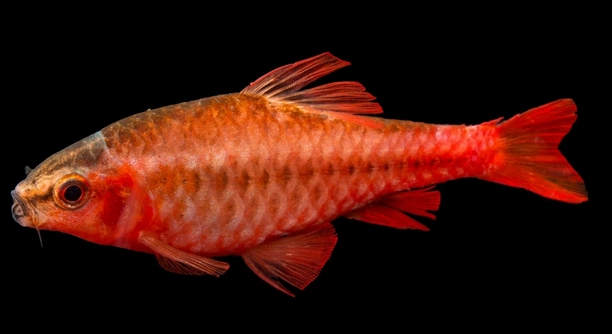
When setting up a tank for cherry barbs, it’s important to know what size works best. Their size and behavior influence their space needs, and understanding this is crucial for creating a healthy environment.
A 20-gallon tank is generally the ideal size for a small group of cherry barbs. This size offers enough swimming space while maintaining good water quality. Larger tanks may also work but aren’t always necessary for a small school.
The right tank size can greatly improve the health and activity level of your cherry barbs. Knowing how much space they need will help keep them happy and thriving.
Why Tank Size Matters for Cherry Barbs
When choosing a tank for cherry barbs, it’s crucial to remember they are active fish that need enough space to swim freely. A tank that’s too small can make them feel stressed and limit their natural behavior. Cherry barbs enjoy swimming in groups, so having enough space for them to interact with each other is essential for their well-being. A cramped environment can also affect water quality, which could harm your fish over time.
A 20-gallon tank provides a good balance for a small group of cherry barbs. It offers enough room for them to explore and thrive without overwhelming the system with too much waste.
It’s not just about having space, though. The tank should also be properly equipped, with a reliable filtration system and plenty of plants or decorations. Cherry barbs like to hide and explore, and these additions provide them with a more natural, comfortable environment. They also help keep the water cleaner by providing areas where beneficial bacteria can grow.
Tank Size and Group Size
The number of cherry barbs you keep can impact the size of the tank.
A group of at least six cherry barbs should be kept in a tank of 20 gallons or more. This allows them to feel secure and reduces the likelihood of aggressive behavior. If you plan to have more than six, you’ll need a larger tank to avoid overcrowding. A 30-gallon tank is ideal for larger groups of cherry barbs. More space helps with better water circulation and maintains a stable environment. Keeping your barbs in the right group size in a spacious tank ensures they are happy and healthy.
Tank Size for Multiple Fish
If you’re keeping more than one species with your cherry barbs, it’s important to consider the other fish’s needs as well. Mixing species can affect space requirements, as some fish may need more room to feel comfortable. A 30-gallon tank is a good size to accommodate both cherry barbs and other peaceful fish.
Cherry barbs do well with a variety of tank mates like tetras, rasboras, and Corydoras catfish. However, you must make sure the other species also thrive in similar water conditions. Overcrowding can lead to stress, reduced oxygen levels, and poor water quality.
It’s also important to monitor how the fish interact. While cherry barbs are peaceful, some species may become territorial. Ensure there’s enough space for each fish to claim a spot, whether it’s by hiding or swimming freely. Avoid keeping aggressive species that could disturb your cherry barbs.
Tank Size and Filtration
Filtration plays a big role in maintaining a healthy tank environment. A properly sized filter will keep the water clean, helping reduce toxins and waste buildup, which is critical for the health of cherry barbs. It’s essential to match your tank size with the right filter.
For a 20-gallon tank, a filter rated for at least 30 gallons will provide the necessary flow to maintain clean water. Filtration helps to manage the waste from your fish and prevents spikes in ammonia and nitrite levels. A good filtration system ensures your cherry barbs stay in a stable, clean environment.
In addition to filtering the water, the flow rate should be gentle enough not to stress out your cherry barbs. They are small, and strong currents can be overwhelming for them. A filter with adjustable flow is ideal for these types of fish. Keeping the water clean and well-filtered is just as important as providing the right space.
Adding Plants and Decorations
Cherry barbs appreciate having plants and decorations in their tank. These elements provide hiding spots and break up the space, giving them places to explore. A well-planted tank also helps with water quality by absorbing excess nutrients. Adding some driftwood or rocks can further enhance their environment.
Live plants like Java moss or Anubias are great options. They not only look good but also help maintain water quality. The barbs enjoy swimming through the plants, creating a more natural setting. Be sure to avoid overly large decorations that might take up too much swimming space.
Maintaining Water Quality
Regular water changes are crucial to keeping cherry barbs healthy. They thrive in clean water, and the best way to ensure this is by changing 20-30% of the tank water weekly. This helps prevent the buildup of harmful toxins, like ammonia and nitrites, which can affect their health.
You should also test the water regularly for pH, hardness, and temperature. Cherry barbs prefer slightly acidic to neutral water with a temperature between 74-80°F. Keeping the water in this range will help your fish feel at home and reduce stress. Proper water maintenance is essential for their long-term health.
FAQ
What is the minimum tank size for cherry barbs?
The minimum tank size for cherry barbs is 20 gallons. This provides enough space for a small group of cherry barbs to swim freely and feel comfortable. Smaller tanks can cause stress due to limited swimming space, which may lead to health issues. A 20-gallon tank ensures they have room to move and interact with each other.
Can cherry barbs live with other fish?
Yes, cherry barbs are peaceful and can live with other peaceful fish. They get along well with species like tetras, rasboras, and Corydoras catfish. It’s important to avoid aggressive fish that may harm them. Always check that tank mates share similar water requirements to ensure a stress-free environment for everyone.
How many cherry barbs can I keep in a 20-gallon tank?
You can keep about 6 to 8 cherry barbs in a 20-gallon tank. This allows them enough space to swim together while keeping the tank from becoming overcrowded. If you want to keep more than 8, you will need a larger tank to prevent stress and poor water quality.
What water conditions are best for cherry barbs?
Cherry barbs prefer slightly acidic to neutral water, with a pH range between 6.5 and 7.5. The water temperature should be kept between 74-80°F. Regular testing of water parameters helps maintain the proper conditions. Clean, stable water is essential for their health and activity levels.
Do cherry barbs need a filter?
Yes, cherry barbs require a filter to maintain clean water. A filter helps remove waste, toxins, and debris, ensuring the water stays clear and healthy. Choose a filter rated for at least 30 gallons to ensure proper filtration. It’s important to keep the water clean to avoid harmful toxins that could affect the fish.
Can cherry barbs live in a tank without plants?
While cherry barbs can live in a tank without plants, they thrive better in a tank with plants. Plants provide hiding spots, reduce stress, and help improve water quality by absorbing excess nutrients. Adding plants like Java moss or Anubias gives them more areas to explore and feel secure.
What is the ideal tank size for a group of cherry barbs?
For a group of cherry barbs, a 20-gallon tank is ideal. This size gives them enough space to swim and interact without being cramped. If you want to add more than 6 or 8 cherry barbs, consider a 30-gallon tank to provide more room and maintain good water quality.
How often should I feed cherry barbs?
Feed your cherry barbs 2-3 times a day. Offer small amounts of food that they can consume within a few minutes to avoid overfeeding. A varied diet of high-quality flakes, pellets, and occasional live or frozen foods will keep them healthy and vibrant. Overfeeding can lead to poor water quality, so be mindful of how much you feed them.
What is the lifespan of a cherry barb?
Cherry barbs can live for about 3 to 5 years with proper care. Their lifespan depends on water quality, diet, and general tank conditions. Keeping them in a clean, stable environment with appropriate tank mates will help them live a long and healthy life.
Do cherry barbs prefer still or moving water?
Cherry barbs prefer slow-moving water. They enjoy swimming in gentle currents, which mimic their natural environment in slow-moving rivers and streams. If the water flow is too strong, it can stress them out. Choose a filter with adjustable flow to provide the ideal water movement for cherry barbs.
How can I tell if my cherry barbs are stressed?
Stressed cherry barbs may display unusual behaviors such as hiding more than usual, excessive darting, or loss of color. Poor water quality, overcrowding, or aggressive tank mates are common stress factors. Ensure your tank is well-maintained, with proper water conditions, space, and suitable companions to prevent stress.
Do cherry barbs need a specific light cycle?
Cherry barbs don’t require a specific light cycle, but they do benefit from a consistent day-night cycle. Providing 10-12 hours of light per day with a balanced light intensity helps regulate their natural behavior and encourages activity. Avoid keeping the lights on 24/7 as this can lead to stress and algae growth.
What is the best way to clean a cherry barb tank?
To clean a cherry barb tank, do regular water changes of 20-30% each week. Use a gravel vacuum to remove debris from the substrate and check the filter for clogs. Avoid disturbing plants or decorations too much, but ensure the tank remains clean to keep the water quality high. Always test the water before adding anything back after cleaning.
Can cherry barbs be bred in a home aquarium?
Yes, cherry barbs can be bred in a home aquarium, though it requires a bit of preparation. The tank should have lots of plants for the fish to lay their eggs on. During breeding, male cherry barbs display vibrant colors to attract females. After spawning, remove the parents to prevent them from eating the eggs. The eggs will hatch in about 24-36 hours, and the fry can be fed with finely crushed flakes or baby brine shrimp.
Final Thoughts
Choosing the right tank size for your cherry barbs is essential to their health and well-being. These active fish need enough space to swim, interact with each other, and feel comfortable. A 20-gallon tank is usually the best starting point for a small group, giving them enough room to thrive. If you plan to keep more fish or larger groups of cherry barbs, consider increasing the size of the tank to avoid overcrowding. Larger tanks not only provide more swimming space but also help maintain stable water conditions, which are key to keeping your cherry barbs healthy.
In addition to the tank size, providing the right environment is equally important. Adding live plants, rocks, and driftwood can create a more natural habitat, offering hiding spots and helping to reduce stress. These decorations also improve water quality by absorbing excess nutrients and promoting the growth of beneficial bacteria. Don’t forget the importance of filtration. A filter is necessary to keep the water clean, but make sure the flow isn’t too strong for the cherry barbs, as they prefer gentle currents. Keeping the water clean and well-filtered ensures a stable environment that allows your fish to stay active and healthy.
Finally, remember that cherry barbs, like all fish, need regular care. This includes water changes, proper feeding, and monitoring their health. Testing the water regularly for parameters like pH, temperature, and ammonia levels will help you maintain the ideal conditions. With the right tank size, environment, and care, your cherry barbs can live a long, happy life. They are hardy and peaceful fish, making them a great choice for both beginners and experienced fishkeepers. By paying attention to their needs and keeping their space comfortable, you’ll be able to enjoy the beauty of these vibrant fish for years to come.

Hello,
If you enjoy the content that we create, please consider saying a "Thank You!" by leaving a tip.
Every little bit helps us continue crafting quality advice that supports the health, happiness, and well-being of pets around the world, for pets of all shapes, sizes, and species.
We really appreciate the kindness and support that you show us!