
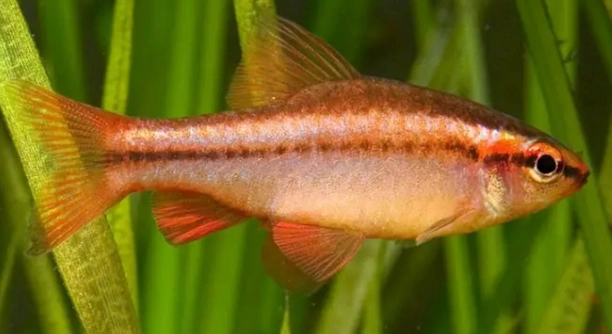
Cherry barbs are a popular freshwater fish, known for their vibrant colors and peaceful nature. However, if your cherry barb isn’t eating, it can be concerning. There are various reasons behind this behavior that may need to be addressed.
The primary reason your cherry barb may not be eating is stress, often caused by poor water quality, sudden temperature changes, or incompatible tank mates. Additionally, overfeeding, illness, or a lack of variety in their diet can also contribute to this issue.
By identifying the root cause and making adjustments, you can help your cherry barb return to a healthy feeding routine. Keep reading to discover practical solutions to encourage your fish to eat again.
Poor Water Quality
The water quality in your aquarium is one of the most common reasons why your cherry barb might not be eating. Fish are highly sensitive to water conditions, and poor water quality can lead to stress, which directly affects their appetite. This can happen if the pH, ammonia, or nitrate levels are not within the safe range. Uneaten food, debris, or old water can also accumulate and degrade the tank environment.
Make sure to test the water regularly. If the readings are off, change the water and adjust parameters accordingly. Clean the tank, including decorations and the filter, to keep it free of excess waste. A water change can improve the overall environment for your fish.
Regular water changes, filter maintenance, and water testing are vital for creating a stress-free environment. Remember, cherry barbs thrive in stable water conditions, and keeping the water clean will ensure they stay healthy and eager to eat. It’s a simple but crucial task to maintain their well-being.
Incorrect Tank Temperature
Cherry barbs, like many other tropical fish, need a stable water temperature to feel comfortable. If the water temperature is too high or low, it can cause your fish to become lethargic and lose their appetite. Ideally, cherry barbs prefer temperatures between 72°F and 80°F (22°C to 27°C). If the water is too cold, they may be less active, and if it’s too warm, they may become stressed.
A reliable aquarium heater is essential for maintaining the proper temperature. Make sure the heater is set to the appropriate range and monitor it with a thermometer. If the temperature fluctuates too much, it can also cause stress, leading to a loss of appetite.
Tank Mates
Incompatible tank mates can cause stress and prevent your cherry barb from eating. Aggressive fish may chase or intimidate your barb, leading to fear and a loss of appetite. Even peaceful fish can cause anxiety if they’re too active or territorial.
Observe your tank’s social dynamics. If your cherry barb is being harassed, consider moving more aggressive or overly active fish to a separate tank. Ideally, cherry barbs do well with peaceful community fish that aren’t too large. Ensuring they feel safe is vital for encouraging them to eat.
It’s important to provide plenty of hiding spots or plants for your cherry barb to retreat to. This helps them feel more secure and reduces stress. You might also want to add tank mates that match the barbs’ temperament, like peaceful tetras or rasboras. This creates a calm environment where your fish can eat comfortably.
Overfeeding
Overfeeding is another common issue. If there’s too much uneaten food in the tank, it can foul the water and stress your fish. Cherry barbs may refuse to eat when they’re overwhelmed by excess food, especially if the tank isn’t cleaned regularly.
To avoid overfeeding, only offer as much food as your fish can consume in a few minutes. Remove any leftover food after feeding to keep the tank clean. This ensures your cherry barb can focus on eating without the stress of dirty water or excess food.
Consider feeding smaller amounts more frequently. This not only prevents overfeeding but also helps maintain the tank’s cleanliness. A feeding schedule that fits your fish’s needs will encourage them to eat without causing harm to their environment.
Illness
Illness can cause a cherry barb to stop eating. Common issues like parasites, infections, or swim bladder problems can reduce their appetite. If your fish seems lethargic or exhibits unusual behavior, it may be unwell.
Examine your fish closely for signs of illness, such as faded colors, abnormal swimming, or swelling. If you notice these symptoms, it’s essential to quarantine the fish and treat the problem promptly. Sick fish often need specific care, like medication or a change in water conditions, to recover.
Early detection and treatment are key. The sooner you address an illness, the better your fish’s chances are for a full recovery.
Lack of Variety in Diet
Feeding your cherry barb the same food every day can lead to boredom or lack of appetite. Cherry barbs, like other fish, enjoy a varied diet that includes both dry and live foods.
Consider offering a mix of high-quality flakes, pellets, and occasional treats like brine shrimp, daphnia, or bloodworms. This ensures your cherry barb receives all the necessary nutrients while keeping feeding time interesting. Switching up their meals can encourage eating and provide a balanced diet.
Try to rotate food types every few days to prevent your fish from becoming picky. A varied diet can also improve overall health and make feeding more enjoyable.
Stress from Handling
Constantly disturbing or handling your cherry barb can cause unnecessary stress and make them reluctant to eat. Fish need a peaceful environment where they feel safe, and too much interaction can disrupt their routine.
Keep handling to a minimum, only removing fish for tank maintenance or medical reasons. Avoid tapping on the glass or making sudden movements, as this can startle your fish. Ensuring your tank remains calm and undisturbed will help your cherry barb feel comfortable and encourage eating.
FAQ
Why is my cherry barb not eating?
There are several reasons your cherry barb may not be eating. Stress from poor water quality, aggressive tank mates, or fluctuating temperature is often the main cause. Additionally, overfeeding, illness, or a lack of food variety can also contribute to this behavior. Start by checking your water parameters, ensuring the tank temperature is stable, and observing your fish for any signs of illness or stress. Providing a varied and nutritious diet may also help encourage eating.
Can cherry barbs go without food for a day?
Yes, cherry barbs can go without food for a day or two without any negative effects, as they are resilient fish. However, extended periods without food can weaken their health. If your fish refuses food for an extended period, it’s crucial to address the underlying cause, such as stress, illness, or poor water conditions.
How often should I feed my cherry barb?
Cherry barbs should be fed small amounts 2-3 times a day. Only offer as much food as they can consume within 2-3 minutes to avoid overfeeding. If your fish are not eating all their food, reduce the quantity to prevent waste and water contamination. Smaller, more frequent feedings are usually better than larger, less frequent ones.
What are the best foods for cherry barbs?
Cherry barbs enjoy a variety of foods, including high-quality flakes, pellets, and live or frozen foods like brine shrimp, daphnia, and bloodworms. Offering a mix of dry and live food ensures they receive all the necessary nutrients. Keep their diet varied to prevent them from becoming bored with their meals and to promote a healthy appetite.
Can cherry barbs eat vegetables?
Yes, cherry barbs can eat vegetables, though they may not show as much interest in them as they do in meatier foods. You can offer blanched vegetables like zucchini, spinach, or peas as an occasional treat. These can provide extra nutrients, particularly fiber, and help diversify their diet.
Why does my cherry barb hide and not eat?
If your cherry barb is hiding and not eating, it may be feeling stressed or unwell. Poor water quality, aggressive tank mates, or a sudden change in the environment can cause stress. Illness is also a possibility. Check the water parameters, observe the fish for any signs of disease, and ensure the tank is a peaceful and safe place.
How do I know if my cherry barb is sick?
Signs of illness in cherry barbs include loss of appetite, lethargy, faded colors, abnormal swimming (such as floating upside down or having difficulty swimming), or visible signs of disease like lesions or swelling. If you notice any of these symptoms, it’s important to quarantine the fish and treat it promptly.
Can cherry barbs eat live food?
Yes, cherry barbs enjoy live food and it can be a great addition to their diet. Live foods such as brine shrimp, daphnia, or mosquito larvae are nutritious and can stimulate their appetite. Be sure to provide only appropriately-sized live food to avoid choking hazards.
How can I encourage my cherry barb to eat if it’s not eating?
To encourage your cherry barb to eat, check water quality and temperature, reduce stress by ensuring peaceful tank mates, and provide a varied diet. Try offering live food or a different type of pellet or flake. If illness is suspected, treat it accordingly.
Is it safe to feed my cherry barb flakes every day?
Feeding cherry barbs flakes every day is fine as long as the flakes are high-quality and nutritionally balanced. However, it’s beneficial to add variety to their diet. Incorporating other food types like pellets, frozen, or live food can provide better nutrition and prevent your fish from becoming bored with the same food.
Can cherry barbs eat bloodworms?
Yes, cherry barbs can eat bloodworms. They are a good source of protein and can be fed as a treat to supplement their regular diet. Both live and frozen bloodworms are acceptable. Just be sure not to overfeed them, as bloodworms are high in protein and can lead to an imbalance if fed too often.
How do I stop my cherry barb from being stressed?
To reduce stress in your cherry barb, ensure that the tank environment is stable. Maintain good water quality, keep the temperature consistent, and avoid overcrowding. Ensure that your fish are kept with compatible tank mates and provide plenty of hiding spots. Minimize handling and disturbance to create a peaceful environment.
Can cherry barbs eat cucumber?
Cucumber can be offered to cherry barbs as a treat, but they may not always show interest. It is best to blanch the cucumber and cut it into small pieces. Some cherry barbs may enjoy it, while others may prefer more protein-based foods. It’s a good way to add variety to their diet.
How long can a cherry barb go without food?
Cherry barbs can survive without food for about 3-4 days, though it’s not ideal for their health. Prolonged periods without food can lead to stress and weakened immunity. If your fish is not eating, it’s important to address the root cause quickly and ensure it has access to a proper diet soon.
Is it normal for cherry barbs to stop eating when they are stressed?
Yes, it’s normal for cherry barbs to stop eating when they are stressed. Stress can be caused by poor water quality, sudden changes in their environment, or aggressive tank mates. If your cherry barb is stressed, focus on improving the tank conditions and offering a peaceful, stable environment to help them regain their appetite.
Final Thoughts
If your cherry barb is not eating, it’s important to address the problem as soon as possible. Several factors can lead to a loss of appetite, including poor water quality, stress, illness, or a lack of food variety. The first step is to check the water parameters to ensure that the tank is clean, the temperature is stable, and the pH levels are within the recommended range for cherry barbs. Maintaining a clean and stable environment is essential for your fish’s overall well-being and appetite.
A varied and balanced diet is also crucial for keeping your cherry barb healthy and feeding. While flakes and pellets can make up the bulk of their diet, adding live or frozen foods like brine shrimp, daphnia, or bloodworms can provide added nutrition and stimulate their appetite. Feeding small portions 2-3 times a day, rather than overloading the tank with food, can help keep your fish interested in their meals. Variety not only helps prevent boredom but also ensures your fish gets the nutrients they need to thrive.
In addition to these practical steps, it’s important to create a peaceful environment for your cherry barb. Tankmates that are too aggressive or constant disturbances can stress your fish and reduce their appetite. If your cherry barb is showing signs of illness or extreme stress, quarantining the fish and treating it with the appropriate medication might be necessary. Keeping the tank calm, providing a nutritious diet, and maintaining good water conditions will help ensure your cherry barb remains happy and healthy.

Hello,
If you enjoy the content that we create, please consider saying a "Thank You!" by leaving a tip.
Every little bit helps us continue crafting quality advice that supports the health, happiness, and well-being of pets around the world, for pets of all shapes, sizes, and species.
We really appreciate the kindness and support that you show us!