
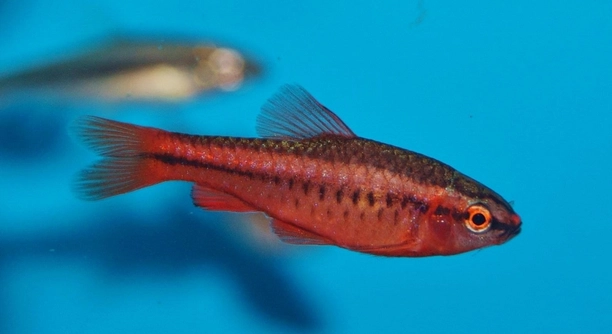
Have you ever brought home cherry barbs only to feel unsure about how to set up the perfect tank for them? Creating the right environment is important for keeping these colorful and active fish healthy and stress-free.
The ideal tank for cherry barbs includes at least 20 gallons of water, a gentle filter, stable temperature around 74–80°F, soft lighting, and dense plant coverage to mimic their natural habitat and support their need for shelter and schooling.
Setting up a tank with their needs in mind will help your cherry barbs thrive. Let’s look at the key elements to build their ideal home.
Choosing the Right Tank Size and Setup
A proper tank setup starts with space. Cherry barbs are small, but they are active swimmers and prefer to be in groups of six or more. A 20-gallon tank gives them enough room to move comfortably without feeling crowded. Opt for a long, horizontal tank rather than a tall one, as these fish enjoy swimming side to side. Use a gentle filter to prevent strong currents that may stress them out. Keep the water temperature between 74°F and 80°F, and maintain a neutral pH of around 6.5 to 7.5. These conditions help replicate their natural environment and support their overall health. Adding live plants, such as java fern or hornwort, provides them with cover and creates a peaceful, secure atmosphere. Use a soft substrate to prevent injury, and make sure the tank has a lid—cherry barbs can jump. With the right setup, your fish will feel safe and thrive.
Live plants are more than decorative; they help reduce stress and support the natural behavior of cherry barbs. A planted tank gives them the shelter they need.
Their colors become brighter in a well-maintained, peaceful tank. When they are not stressed, they interact more and develop stronger group behavior. Good conditions make a noticeable difference.
Creating a Balanced and Comfortable Environment
Cherry barbs are peaceful and do well with calm, non-aggressive tank mates. Avoid placing them with overly active or fin-nipping species, as this may lead to stress. Stick to fish like harlequin rasboras, corydoras, or small tetras. These species share similar needs and temperaments, making it easier to maintain harmony in the tank. Ensure your aquarium has shaded areas created by floating plants or decorations, as cherry barbs enjoy having quiet spots to retreat. Also, avoid bright lighting, which can make them feel exposed. Moderate lighting helps create a calm space, which supports their natural behavior and vivid coloration. Regular partial water changes are also important for keeping the water clean and the fish healthy. Weekly changes of about 25% will help remove waste and maintain water quality. Overfeeding should be avoided—offer small portions of high-quality flakes or micro-pellets once or twice daily. Clean feeding routines support better tank conditions and fish health.
Maintaining Water Quality and Tank Conditions
Clean water is essential for cherry barbs to stay healthy and active. Perform weekly water changes of about 25% and use a reliable water conditioner to remove chlorine. Monitor ammonia, nitrite, and nitrate levels regularly to keep everything balanced and safe.
Use a sponge filter or a low-flow internal filter to avoid creating strong currents that cherry barbs dislike. Maintain a consistent temperature between 74°F and 80°F, and check your heater regularly for any malfunctions. Cherry barbs are sensitive to sudden changes, so avoid abrupt shifts in temperature or pH levels. Test your water at least once a week, especially after cleaning or adding new plants. Keep nitrate levels below 20 ppm to prevent stress-related illnesses. A reliable testing kit will help you stay on track and act quickly if anything shifts. Good water management keeps your tank stable and your fish comfortable and active.
Stable conditions also mean cleaning the substrate without stirring up too much debris. Use a gravel vacuum carefully to remove uneaten food and waste without disrupting beneficial bacteria. Keeping the substrate clean helps maintain overall water quality and prevents harmful spikes in ammonia. Routine tank maintenance also reduces algae growth, helping the tank stay clear and visually appealing. Avoid scrubbing all surfaces too aggressively, as this could destroy the helpful microorganisms living on them. Balance is key to creating a safe, thriving environment. Small, consistent efforts make a big difference for cherry barbs over time, keeping their colors vivid and their activity levels high.
Feeding Cherry Barbs the Right Way
Feed your cherry barbs high-quality flakes or micro-pellets once or twice daily. Offer only as much food as they can eat in two minutes to avoid polluting the water and stressing your fish.
Cherry barbs appreciate a varied diet that includes live or frozen foods like brine shrimp, bloodworms, or daphnia. These additions help boost their color and support their immune systems. Feeding a mix of dry and protein-rich foods ensures they get all the nutrients they need without relying too much on any single source. It is best to alternate these treats a few times a week instead of offering them daily, as too much protein can affect water quality if uneaten food decays. Always remove leftover food promptly to prevent it from spoiling in the tank. A balanced diet helps your cherry barbs stay vibrant, active, and ready to display their natural schooling behavior.
Monitoring Behavior and Health
Healthy cherry barbs are active, school together, and have bright coloration. If one starts hiding more than usual, loses color, or shows clamped fins, it may be stressed or unwell. Quick action helps prevent issues from spreading in the tank.
Keep an eye on their eating habits. Sudden changes in appetite can be a sign of stress or illness. Consistent feeding behavior and group swimming patterns are signs that everything in the tank is working well.
Breeding Basics for Cherry Barbs
Cherry barbs can breed easily in a well-maintained tank. A separate breeding tank is best for control. Set it up with soft, slightly acidic water, dense plants like java moss, and no strong filter current. Introduce one female and one or two males, and raise the temperature slightly to encourage spawning. Males will become brighter red and start to chase the female. Once eggs are scattered, remove the adults to protect the eggs. The fry will hatch in two days and should be fed infusoria or baby brine shrimp. A clean, stable environment is important for survival and growth.
Choosing Tank Mates
Stick to peaceful species like corydoras, harlequin rasboras, or small tetras. Avoid fin-nippers or aggressive fish, as cherry barbs do best in calm, balanced tanks.
FAQ
How many cherry barbs should I keep together?
Cherry barbs are schooling fish and feel safest in groups. Keep at least six together to reduce stress and encourage natural behavior. A larger group helps them stay active, bright, and more social. Avoid keeping them in pairs or small numbers, as they may become shy or aggressive when isolated. In a group, they interact more naturally and display a wider range of behaviors, including peaceful chasing and schooling patterns that help them feel secure in their environment.
Can cherry barbs live with other fish?
Yes, cherry barbs can live with other peaceful species. Good tank mates include small rasboras, corydoras catfish, and tetras. Avoid larger or aggressive fish, as cherry barbs can become stressed and hide. They do not compete well for food with fast or pushy species. As long as tank mates share similar water conditions and temperaments, cherry barbs will adapt well and maintain their peaceful nature. Always observe new additions carefully during the first few days to ensure harmony in the tank.
How often should I clean the tank?
Perform partial water changes once a week, removing about 25% of the water. Clean the substrate gently using a siphon to remove debris without disturbing beneficial bacteria. Avoid overcleaning or washing filter media in tap water, as it can kill helpful bacteria. Clean the glass as needed, and trim dead plant leaves to maintain water quality. A regular cleaning schedule not only keeps the tank looking clear but also reduces the chance of stress or illness in your cherry barbs.
What should I do if my cherry barb is hiding all the time?
Frequent hiding may be a sign of stress or poor tank conditions. Check the water parameters first and make sure there are no sharp fluctuations. Also, confirm the tank has enough hiding places and plants, especially if there are aggressive tank mates. If your cherry barb is alone or kept in a small group, adding more can improve behavior. They feel safer and bolder in larger schools. Sudden changes in lighting or temperature can also lead to hiding, so try to keep the environment stable.
What do cherry barb eggs look like?
Cherry barb eggs are small, clear, and round. They usually attach to plants or fall to the bottom of the tank. The female scatters them while swimming, and the male fertilizes them shortly after. They can be hard to see unless you’re looking closely. Within two days, the eggs hatch, and the fry begin to swim a few days later. It’s important to move the adults to another tank after spawning, as they may eat the eggs if left together.
How can I tell male and female cherry barbs apart?
Males are more brightly colored, often deep red, especially during breeding. Females are lighter, usually golden or pale orange, and slightly rounder in the belly. Males may chase females during courtship, but this is normal behavior. In a well-lit tank with proper care, these differences are easy to spot. Watching their interactions and body shapes can also help with identification. Keeping a mix of both sexes makes their group dynamics more interesting and natural.
Do cherry barbs need a heater?
Yes, a heater helps keep the water temperature consistent. Cherry barbs prefer water between 74°F and 80°F. Sudden changes in temperature can stress them out and lead to illness. A heater with a built-in thermostat allows you to maintain a stable range. This is especially important during colder months or in rooms with fluctuating temperatures. Keeping the water warm and stable supports their metabolism, behavior, and overall health. Always check the temperature regularly using a thermometer.
Can cherry barbs jump out of the tank?
Yes, cherry barbs are known to jump, especially when startled or stressed. Make sure your tank has a secure lid. If you’re doing maintenance or water changes, be cautious and keep an eye on them. Jumping can be a response to sudden changes in the environment, loud noises, or rough tank mates. A calm tank with good cover and consistent conditions lowers the risk. Using floating plants can also help make the surface feel safer for them.
How long do cherry barbs live?
Cherry barbs typically live for four to six years with proper care. A well-maintained tank, balanced diet, and good water quality help them reach their full lifespan. Regular monitoring of water conditions, feeding routines, and behavior makes a big difference. If you notice changes in appearance or activity, early action can often fix problems before they get worse. With attention and consistency, your cherry barbs can remain healthy and active for many years.
Do cherry barbs need light at night?
No, they do not need light at night. In fact, they benefit from having a regular day-night cycle. Use a timer to keep lights on for 8 to 10 hours a day. At night, turn the lights off to give them a rest period. Too much light can cause stress and promote algae growth in the tank. A calm, dark environment at night supports natural behavior and gives cherry barbs time to relax and restore energy.
Final Thoughts
Creating the right tank for cherry barbs takes time and attention, but it is not difficult. These small fish are peaceful and active, making them a great choice for community aquariums. With a proper setup, they can live long and healthy lives. Start by choosing a tank size that suits a group of at least six cherry barbs. A 20-gallon tank is a good starting point. From there, focus on water quality, temperature, and a steady routine of maintenance. Cherry barbs do best in clean water with stable conditions. A heater, filter, and weekly water changes will help you maintain a safe space for them.
Choosing the right tank mates is another important step. Cherry barbs are peaceful and enjoy swimming in groups, but they can become shy if placed with aggressive fish. It’s best to pair them with other small, gentle species that share similar needs. When adding new fish, keep an eye on the tank for any signs of stress or aggression. A planted tank also helps cherry barbs feel secure. Live or artificial plants give them places to rest and hide. Decorations like driftwood and rocks can also create safe areas and make the tank more interesting.
A balanced diet, proper lighting, and a peaceful environment will support their overall health. Feed them a mix of flakes, pellets, and frozen or live foods. Variety helps meet their nutritional needs and keeps them active. Avoid overfeeding, as this can pollute the tank and affect water quality. Use a light timer to maintain a regular day and night cycle. This helps them feel more relaxed and improves their daily behavior. Cherry barbs are hardy fish, but they still rely on stable care. If something seems off—like frequent hiding or faded colors—it may be a sign to check the tank conditions or adjust their care routine. With patience and a little consistency, it’s easy to provide a good home for cherry barbs.

Hello,
If you enjoy the content that we create, please consider saying a "Thank You!" by leaving a tip.
Every little bit helps us continue crafting quality advice that supports the health, happiness, and well-being of pets around the world, for pets of all shapes, sizes, and species.
We really appreciate the kindness and support that you show us!