
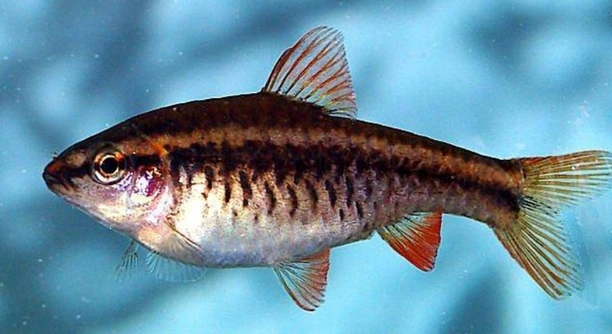
Cherry Barbs are popular freshwater fish in the aquarium hobby. They are known for their vibrant colors and peaceful temperament, making them a great choice for many fish keepers. However, there are some considerations when it comes to keeping them alone.
Cherry Barbs should not be kept alone for extended periods. These fish are social and thrive in groups of at least six to seven individuals. Keeping them alone may lead to stress, poor health, and reduced lifespan.
There are several options to help you create a suitable environment for Cherry Barbs. By understanding their social needs, you can improve their well-being and overall happiness. Keep reading to discover better solutions for keeping these lovely fish.
Why Cherry Barbs Are Social Fish
Cherry Barbs are naturally social creatures and feel most comfortable in groups. In the wild, they swim together in schools, looking for food and staying safe from predators. When kept alone, Cherry Barbs can become stressed, which affects their health and behavior. This stress can lead to decreased appetite, slower growth, and weakened immune systems, making them more susceptible to diseases. In a group, Cherry Barbs are more active and show off their colorful fins. They feel more secure, and their overall behavior improves.
Keeping a single Cherry Barb is not recommended because they miss the stimulation and interaction that a group provides. These fish are peaceful, but they still need the social bonding that only a small school can offer. The benefits of having multiple Cherry Barbs in the tank far outweigh the stress of keeping one alone.
Adding at least five to six Cherry Barbs to your aquarium will create a more natural environment for them. You’ll notice their colors become more vibrant, and their swimming behavior will become more lively and engaging. If you want your Cherry Barbs to thrive, provide them with company.
Alternative Tankmates for Cherry Barbs
When setting up a tank for Cherry Barbs, it’s important to consider other peaceful fish that will coexist well.
Species like Neon Tetras, Corydoras, and Rasboras can be excellent companions for Cherry Barbs. These fish are similar in size and temperament, making them ideal for a peaceful community tank. When choosing tankmates, avoid overly aggressive fish that may intimidate or stress the Cherry Barbs. Even fish like goldfish and bettas should be kept separate from Cherry Barbs to prevent conflict.
Adding compatible species will also encourage natural behavior and make your tank more visually appealing. A well-balanced tank promotes healthy fish and reduces the chances of stress-related illnesses. When picking tankmates, always prioritize peace and space. If you plan on keeping multiple species together, ensure there is enough room for everyone to swim comfortably.
Tank Size for Cherry Barbs
Cherry Barbs need a tank that provides enough space for their active swimming habits. A minimum of 20 gallons is ideal for a small group of Cherry Barbs. This gives them room to move freely and reduces the likelihood of stress. In smaller tanks, the fish may feel cramped and unsettled.
A 20-gallon tank can comfortably house a group of six to seven Cherry Barbs. With this size, you can also add a few other peaceful species that get along well with Cherry Barbs. The larger the tank, the better for keeping the water quality stable.
If you plan to keep a variety of tankmates, opt for a larger tank, such as a 30-gallon or bigger. This will give each fish enough room to establish its territory and reduce aggression. With proper space, your Cherry Barbs will swim happily, showcasing their beautiful colors and lively behavior. A larger tank allows for better filtration and more stable water parameters.
Proper Water Conditions for Cherry Barbs
Maintaining the right water conditions is crucial for Cherry Barbs’ health.
Cherry Barbs thrive in slightly acidic to neutral water with a pH between 6.5 and 7.5. The temperature should be kept between 72°F and 80°F, mimicking their natural habitat. It’s important to regularly check water parameters using reliable testing kits to ensure the conditions remain optimal.
Ammonia and nitrite levels should always be kept at zero, and nitrate levels should be kept under 20 ppm. A good filtration system is essential for maintaining clean water. Regular water changes of 25-30% every week will help keep your Cherry Barbs healthy. Ensuring that the water conditions are stable helps reduce stress and promotes long-term well-being. The right environment makes a big difference in their vitality and color.
Feeding Cherry Barbs
Cherry Barbs are not picky eaters and will enjoy a variety of foods. They will happily accept high-quality flake foods, pellets, and live or frozen foods like brine shrimp and bloodworms. It’s important to feed them a balanced diet to keep them healthy.
Feed Cherry Barbs two to three times a day, offering small amounts that they can consume within a few minutes. Overfeeding can lead to poor water quality and health issues. Make sure to remove any uneaten food after feeding to prevent it from decomposing and affecting the water.
Cherry Barb Behavior and Interaction
Cherry Barbs are peaceful and sociable. They are often seen swimming together in a tight group, especially when they feel safe. They can be shy at first but will gradually become more active as they settle into the tank.
Adding plants and decorations will encourage Cherry Barbs to explore and swim around. Providing hiding spots helps reduce stress, especially for less confident fish. They are curious and enjoy exploring, but they also appreciate having space to retreat to if needed.
FAQ
Can Cherry Barbs live with other fish?
Yes, Cherry Barbs are peaceful and can live with many other species. They get along well with small, non-aggressive fish like Neon Tetras, Corydoras, and Rasboras. It’s important to avoid aggressive fish that may stress them out. Always consider tank size and ensure that everyone has enough space to swim comfortably.
How many Cherry Barbs should be kept together?
Cherry Barbs should be kept in groups of at least six to seven individuals. Keeping them in smaller groups can lead to stress and poor health. A school of Cherry Barbs allows them to feel secure and exhibit natural behaviors, such as schooling and playing.
Are Cherry Barbs easy to care for?
Yes, Cherry Barbs are relatively easy to care for, especially for beginners. They are adaptable to various water conditions and don’t require a lot of maintenance. However, they do need clean, stable water and a proper diet to thrive. Regular water changes and appropriate tankmates are essential for their well-being.
What should I feed Cherry Barbs?
Cherry Barbs are omnivores and can be fed a variety of foods. They will eat flake foods, pellets, and live or frozen food like brine shrimp, daphnia, and bloodworms. A well-balanced diet helps maintain their vibrant colors and healthy growth. Avoid overfeeding, as it can lead to water quality issues.
How long do Cherry Barbs live?
With proper care, Cherry Barbs can live for about 3 to 5 years. Their lifespan depends on factors like water quality, diet, and tank conditions. Maintaining stable water parameters and providing a balanced diet can help them live a long, healthy life.
Do Cherry Barbs need a filter?
Yes, a filter is important for keeping the water clean and stable in a tank with Cherry Barbs. A good filter will help remove debris and maintain water quality by removing toxins like ammonia and nitrites. Regular water changes are also necessary, but a filter plays a key role in creating a healthy environment.
Can Cherry Barbs live in cold water?
No, Cherry Barbs prefer warm water temperatures between 72°F and 80°F (22°C to 27°C). They are tropical fish and do not do well in cold water. Keeping the water at the right temperature is important to ensure their health and prevent stress.
Are Cherry Barbs aggressive?
No, Cherry Barbs are very peaceful fish. They are non-aggressive and can be kept with other peaceful species. However, like most fish, they can show territorial behavior if kept in too small a space or with fish that are overly aggressive.
How often should I do water changes for Cherry Barbs?
Water changes should be done regularly to maintain water quality. For a tank with Cherry Barbs, it’s recommended to change 25-30% of the water every week. This helps keep ammonia, nitrites, and nitrates at safe levels, preventing stress and health problems.
Why is my Cherry Barb not eating?
If your Cherry Barb isn’t eating, it could be due to stress, water quality issues, or illness. Check the water parameters, as poor water conditions can affect their appetite. Ensure that the food being offered is suitable and fresh. If the problem persists, consider consulting an aquarium professional or vet.
Can Cherry Barbs jump out of the tank?
Cherry Barbs are not known to be heavy jumpers, but it is still a good idea to have a lid or cover for your aquarium. Some fish may try to escape if they feel threatened, stressed, or if the water conditions are not ideal. Keeping the tank covered ensures they stay safe.
Do Cherry Barbs change color?
Yes, Cherry Barbs can change their color depending on their mood, health, and environmental conditions. When they are happy and healthy, their colors will be vibrant. Stress, poor water conditions, or illness may cause them to lose their bright red or orange hues.
How do I tell if my Cherry Barb is male or female?
Male Cherry Barbs are typically more colorful than females. They have bright red or orange bodies, especially during mating season. Females are usually larger and more subdued in color, often a light brownish hue. The males are more active, especially when courting females.
Can Cherry Barbs breed in a community tank?
Yes, Cherry Barbs can breed in a community tank, though it may be difficult to raise the fry with other fish around. If you want to breed them, provide plenty of plants and hiding spots for the fry. You may need to move the adults after spawning to prevent them from eating the eggs or fry.
What tank mates should I avoid with Cherry Barbs?
Avoid keeping Cherry Barbs with large, aggressive fish like cichlids or bettas. These fish may harm the smaller, more peaceful Cherry Barbs. Also, avoid very fast-moving or territorial species that might stress out the Cherry Barbs. It’s best to choose small, peaceful community fish that won’t compete for space or food.
Can Cherry Barbs live in a tank with plants?
Yes, Cherry Barbs enjoy planted tanks. Plants provide hiding spots and help create a natural, comfortable environment. They also like to swim through plants and explore the tank. Live plants can also help maintain water quality by absorbing excess nutrients and providing oxygen.
Why are my Cherry Barbs hiding?
If your Cherry Barbs are hiding, it could be due to stress, water quality issues, or fear. Ensure that your tank has enough hiding spots to help them feel secure. Check the water parameters and make sure they are within the optimal range for Cherry Barbs. If they continue to hide, consider observing their behavior for other signs of illness.
Final Thoughts
Cherry Barbs are beautiful, peaceful fish that thrive in groups. They are relatively easy to care for and can be a great choice for beginners. However, it’s important to remember that these fish are social creatures. Keeping them alone for long periods can lead to stress and health issues. They feel more secure and show off their vibrant colors when they have the company of others, ideally in schools of six to seven. Providing them with tankmates that are also peaceful and a proper environment will help them thrive and live long, happy lives.
When caring for Cherry Barbs, focus on creating the right water conditions. They prefer slightly acidic to neutral water with temperatures between 72°F and 80°F. Regular water changes are important to keep toxins like ammonia and nitrates at safe levels. Additionally, they need a balanced diet to maintain their health and bright colors. A variety of foods such as flakes, pellets, and live or frozen foods can help keep them well-nourished. Overfeeding should be avoided, as it can harm the water quality and lead to health issues.
Lastly, consider the size and layout of your tank. A 20-gallon tank is a good minimum size for a small group of Cherry Barbs. The tank should be well-planted with enough space for the fish to swim freely. Cherry Barbs are relatively hardy, but their health will benefit greatly from a stable environment. By paying attention to their social needs, tank conditions, and diet, you can enjoy watching these colorful fish flourish in your aquarium for years to come.

Hello,
If you enjoy the content that we create, please consider saying a "Thank You!" by leaving a tip.
Every little bit helps us continue crafting quality advice that supports the health, happiness, and well-being of pets around the world, for pets of all shapes, sizes, and species.
We really appreciate the kindness and support that you show us!