
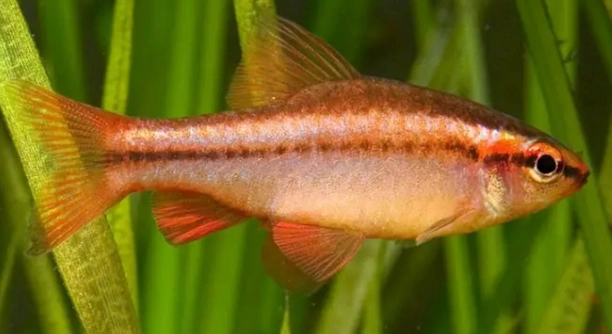
Cherry Barbs are colorful and lively fish, known for their vibrant appearance. If you’re a fish owner, you might wonder about breeding these little beauties. Understanding the signs and requirements can make the process smoother for you and your fish.
Cherry Barbs breed when conditions are optimal, including proper water temperature, diet, and tank setup. They prefer soft, slightly acidic water, and the right environment encourages them to spawn. Ensuring a balanced and stress-free habitat is key.
Knowing what to look for in terms of behavior and tank conditions can help you prepare. This guide will walk you through the basics of Cherry Barb breeding, helping you create the perfect environment for successful reproduction.
The Right Environment for Cherry Barb Breeding
To encourage Cherry Barbs to breed, you need to recreate their natural environment as closely as possible. These fish thrive in water that is slightly acidic with a pH between 6.5 and 7.0. The temperature should be around 75-80°F (24-27°C). Additionally, maintaining soft water is essential for breeding success. You can achieve this by using a water softener or selecting natural sources of soft water. Keep in mind that the water quality should be kept high with regular water changes, ideally about 25% every week, to ensure the fish remain healthy and stress-free.
Another aspect to consider is the setup of the aquarium. Cherry Barbs prefer a well-planted tank with plenty of hiding spots. Plants like Java moss are great because they provide safe spaces for the fish and help with water quality. A gentle filter is important as well, as strong currents can discourage breeding. With the right setup, you’ll create a space where your Cherry Barbs feel safe and comfortable enough to reproduce.
Diet and Preparation
A proper diet is crucial in preparing Cherry Barbs for breeding.
Cherry Barbs require a balanced diet rich in protein to encourage spawning. Live foods like daphnia, brine shrimp, and bloodworms are ideal for conditioning them. You can also provide high-quality flake foods that contain high protein levels. To prepare your fish for breeding, feed them these foods daily for a few weeks before you expect breeding behavior. This helps ensure they are healthy and strong enough to reproduce. The right nutrition is key to successful spawning, as it strengthens their immune system and improves overall health.
Signs That Cherry Barbs Are Ready to Breed
When your Cherry Barbs are ready to breed, you’ll notice certain behaviors. Males will become more vibrant in color, with their red hues becoming brighter, particularly around the fins. They may also start to chase females, displaying a lot of activity. The males often perform courtship dances to attract the females. You might observe the male circling the female and flaring his fins, trying to catch her attention. During this time, the female will appear rounder and fuller as she develops eggs.
These behaviors are natural signals that the fish are preparing to spawn. Once a female is ready, she will lay her eggs on plants or other surfaces, and the male will fertilize them. It’s important to remove the adults from the breeding tank once the eggs have been laid to prevent them from eating the eggs. If you’ve set up a proper environment and provided the right care, you’re likely to see success.
Water Quality and Its Impact on Breeding
Maintaining good water quality is vital for Cherry Barbs to breed successfully. Regular water changes are essential to remove toxins and keep the fish healthy. Keeping the water temperature stable is also key to ensuring that the fish are comfortable and ready to breed.
The ideal water parameters are a pH of 6.5 to 7.0 and a temperature between 75-80°F (24-27°C). You can use a water testing kit to regularly monitor these levels. Ammonia, nitrite, and nitrate levels should all be kept as low as possible. A clean environment helps prevent stress and increases the likelihood of breeding success.
In addition to water parameters, the use of a gentle filter is necessary to avoid disrupting the fish’s breeding behavior. Strong water currents can disturb the fish and may make them less likely to spawn. By ensuring a stable and clean environment, you create the best possible conditions for breeding.
Spawning Tank Setup
Setting up a dedicated breeding tank is often recommended for Cherry Barbs. This gives the fish more control over their environment and minimizes the risk of adult fish eating the eggs. A simple, low-maintenance tank setup will suffice, with plants for hiding places.
In the breeding tank, it’s essential to use soft, slightly acidic water. Adding live plants, such as Java moss or other fine-leaved plants, will help the eggs stick and provide the fish with places to feel secure. A breeding box or a mesh divider can also be useful to separate the adults from the eggs after spawning.
Lighting plays an important role in the tank setup as well. Use subdued lighting to mimic natural conditions. This reduces stress on the fish and encourages natural breeding behaviors. Avoid strong lights, as they can make the fish feel exposed and nervous.
Male and Female Behavior
Male Cherry Barbs display more vibrant colors when they are ready to breed. They will chase and display courtship behavior, including fin flaring and darting around the females. Females will appear rounder as they develop eggs.
The males’ behavior is often a clear indicator that they are ready to breed. They may follow the females closely, attempting to lead them to suitable spawning spots. The more active and brightly colored the male becomes, the closer they are to spawning. Female behavior will shift as well, becoming more passive as they respond to the male’s advances.
Egg Laying and Fertilization
During the breeding process, females will lay their eggs on plants or other surfaces in the tank. Once the eggs are laid, the male will fertilize them. This usually occurs within a few hours after the eggs are laid.
Both male and female Cherry Barbs may exhibit frantic behavior after fertilization, as they quickly move away from the eggs. It’s important to remove the adults from the tank after fertilization to protect the eggs from being eaten. The eggs typically hatch within 24-48 hours, depending on the water temperature.
Caring for the Fry
After the eggs hatch, it’s important to keep the fry in a separate tank to protect them from adult fish. Feed them small foods such as newly hatched brine shrimp or infusoria to help them grow.
You should also monitor the water quality closely to ensure the fry stay healthy. The fry grow quickly, so regular water changes are necessary to maintain good water quality. As they mature, you can begin feeding them larger foods, like crushed flakes or baby fish pellets.
FAQ
What are the best tank mates for Cherry Barbs during breeding?
When breeding Cherry Barbs, it’s best to keep the tank free of aggressive fish. Tank mates should be peaceful, as stress can disrupt the breeding process. Good options include small, non-aggressive fish like neon tetras, guppies, or other barbs that won’t compete for the same resources. Avoid placing larger or territorial fish in the breeding tank, as they could harm the Cherry Barbs or eat the eggs. Additionally, ensure that the tank mates don’t overcrowd the space, as this could stress the breeding pair.
How can I tell if my Cherry Barb is pregnant?
Female Cherry Barbs will not carry visible “babies” like mammals. However, you can tell if she is ready to spawn by her round belly, which will appear full of eggs. The color of the female may also change slightly, becoming more muted than the male. When females are near breeding condition, they become more passive and may stay near the substrate. If you notice a female displaying these signs, it may indicate that she’s preparing to lay eggs.
Do Cherry Barbs need a special breeding setup?
A dedicated breeding setup is not strictly necessary but can increase your chances of success. If you want to separate the breeding pair from the rest of the tank, set up a 10 to 20-gallon tank with plants for hiding. You don’t need elaborate filtration—just make sure the water is clean and oxygenated. A sponge filter works well, as it creates gentle water movement, which is ideal for breeding. You also don’t need to worry about substrate, but adding fine-leafed plants like Java moss helps with egg-laying. Once breeding is complete, you can remove the adults to prevent them from eating the eggs.
How often do Cherry Barbs breed?
Cherry Barbs can breed multiple times a year when conditions are favorable. They may spawn every few weeks, depending on the water temperature and the health of the fish. Males will constantly attempt to court females, so as long as the water conditions remain optimal, breeding can be a regular occurrence. However, it’s important not to overcrowd the tank or overfeed, as these factors can disrupt the breeding cycle. If you have a breeding pair in a separate tank, you might see successful spawns every 2-3 weeks during breeding season.
How long does it take for Cherry Barb eggs to hatch?
Cherry Barb eggs typically hatch within 24 to 48 hours after fertilization. The exact time depends on the water temperature—the warmer the water, the quicker the eggs will hatch. After the eggs hatch, the fry will stay attached to the plant or surface for the first few days as they absorb their yolk sacs. After they’ve absorbed the yolk, they will begin swimming and can be fed with finely crushed food or live foods like brine shrimp. Keep in mind, the fry should be separated from adult fish to prevent predation.
Why are my Cherry Barbs not breeding?
There are several reasons why Cherry Barbs might not breed. One of the most common reasons is unsuitable water conditions. If the water is too hard or the pH is off, the fish may not feel comfortable enough to spawn. Make sure the water is soft, slightly acidic, and within the ideal temperature range. Another reason could be stress, which could come from overcrowding, aggressive tank mates, or poor water quality. If these conditions aren’t addressed, your Cherry Barbs may not breed. Lastly, sometimes fish may need more time to mature or may not be in breeding condition, which can prevent spawning.
Can I breed Cherry Barbs in a community tank?
Breeding Cherry Barbs in a community tank can be challenging. While it is possible, the chances of success are lower compared to breeding in a dedicated setup. In a community tank, other fish may stress the breeding pair or eat the eggs, so many breeders recommend moving the Cherry Barbs to a separate tank when you’re trying to spawn them. If you do choose to breed them in a community tank, ensure that the environment is calm and that there are enough plants and hiding spots for the eggs to be laid undisturbed.
What should I do with the Cherry Barb fry after hatching?
Once the fry have hatched, they should be moved to a separate tank to protect them from adult fish. The fry are small and vulnerable, so keeping them in their own space helps them grow without risk of predation. In the fry tank, you should provide small, nutrient-rich foods like baby brine shrimp or liquid fry food. As they grow, gradually transition them to powdered food or crushed flakes. Regular water changes are necessary to keep the tank clean and prevent the fry from becoming sick. Keep the water warm and oxygenated, and in a few weeks, they’ll begin to develop into more mature fish.
Can Cherry Barbs breed in captivity?
Yes, Cherry Barbs can breed in captivity with the right care and environment. They are relatively easy to breed as long as you replicate their natural conditions. Providing soft, slightly acidic water, a stable temperature, and a peaceful environment are essential. When these conditions are met, they will breed readily in a well-maintained tank. As with all fish breeding, patience and attention to detail are key factors in achieving success.
Final Thoughts
Breeding Cherry Barbs can be a rewarding experience, but it requires careful attention to their environment and needs. These small, colorful fish are relatively easy to breed when the conditions are right, but the key to success is maintaining stable water parameters, providing a healthy diet, and ensuring a stress-free atmosphere. With the right care, Cherry Barbs will display natural breeding behaviors, and you can expect to see them lay eggs and start a new generation. While they do not require a highly specialized setup, dedicating a breeding tank or at least creating an ideal space within the aquarium will significantly increase your chances of success.
One of the most important factors in breeding Cherry Barbs is maintaining water quality. They thrive in soft, slightly acidic water, and the temperature should be stable between 75°F and 80°F (24°C to 27°C). Regular water changes, gentle filtration, and monitoring the water parameters will help prevent stress and encourage breeding. Additionally, providing the right foods for both males and females is essential. A balanced diet rich in proteins, such as live or frozen foods, will help condition the fish and increase the chances of successful spawning. Keeping the tank clean and ensuring the fish have enough hiding spots also reduces stress, making them more likely to breed.
While breeding Cherry Barbs can be relatively straightforward, it’s important to be patient and attentive throughout the process. Each pair may behave differently, and sometimes it can take a little time for them to feel comfortable enough to spawn. If you encounter challenges, such as eggs being eaten by the adults or unsuccessful spawning, don’t be discouraged. Experimenting with water conditions, adjusting the tank setup, and ensuring the right balance of food and care can help. With the right knowledge and dedication, you can enjoy watching these vibrant fish thrive and reproduce in your aquarium.

Hello,
If you enjoy the content that we create, please consider saying a "Thank You!" by leaving a tip.
Every little bit helps us continue crafting quality advice that supports the health, happiness, and well-being of pets around the world, for pets of all shapes, sizes, and species.
We really appreciate the kindness and support that you show us!