
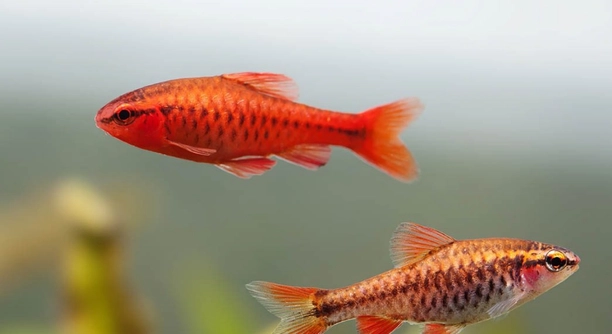
Are your cherry barbs acting different lately, hiding more or swimming less, and you’re not quite sure what’s going on?
Cherry barbs can show signs of stress through color loss, erratic swimming, hiding, and reduced appetite. These behaviors are often caused by poor water conditions, tank overcrowding, incompatible tank mates, or sudden environmental changes.
Learning how to spot these signs early can help you create a safer and more comfortable tank for your cherry barbs.
Sign #1: Faded or Pale Coloring
Cherry barbs are known for their bright red coloring, especially the males. When they start looking pale or washed out, it’s usually a sign something is wrong. This kind of color change is often caused by stress, which could come from sudden changes in water temperature, poor water quality, or bullying from other fish. Over time, stress weakens their immune system, making them more likely to get sick. If your cherry barb starts to lose its color, it’s important to check their environment first. Start by testing the water parameters—ammonia, nitrite, nitrate, pH, and temperature. Even small shifts can make a big difference. A stressed fish will often hide more, eat less, and interact less with others in the tank. All of these are red flags that need attention. A stable, peaceful tank environment is key to keeping their colors bright and their behavior healthy.
Color loss isn’t just about appearance. It’s often one of the first signs that your fish is uncomfortable or unwell.
Fixing this starts with stability. Make sure your water parameters stay consistent—use a heater and reliable filter. Keep an eye on aggressive tank mates and overcrowding. A weekly partial water change helps reduce stress and keep your fish feeling safe and secure.
Sign #2: Hiding Constantly
If your cherry barb spends most of its time hiding behind plants or decor, it could be stressed.
Cherry barbs are naturally active and social. While it’s normal for them to take quick breaks in cover, frequent or extended hiding is not. This behavior may be triggered by a number of stressors, like sudden light changes, loud noises near the tank, or too many aggressive fish. It could also mean the tank lacks enough cover, making the fish feel exposed. In some cases, fish that hide all the time are being bullied or are sick and trying to avoid interaction. You can help reduce this by providing enough plants, caves, or other hiding spots, so they feel secure without needing to isolate. Rearranging the tank and reducing noise or foot traffic can help too. It’s also smart to observe interactions in the tank—if one fish is overly dominant, it might be best to separate them to avoid long-term stress.
Sign #3: Loss of Appetite
When a cherry barb stops eating, it’s often a response to stress in its environment. It might nibble a little, spit food out, or ignore meals entirely.
This change in behavior usually points to a problem with water quality, temperature shifts, or even illness. Overfeeding or spoiled food can also lead to poor appetite. To help, check that food is fresh and appropriate for small fish. Stick to a regular feeding schedule and offer a varied diet—high-quality flakes, micro pellets, or the occasional treat like brine shrimp. Make sure uneaten food is removed quickly to prevent water contamination. Cherry barbs generally eat eagerly when healthy, so it’s a clear sign something needs attention when they avoid food. Observe them during feeding to notice any patterns or changes. Sudden disinterest can be an early signal that allows you to catch problems before they worsen.
Fixing appetite loss begins with reviewing tank conditions. Test for ammonia spikes or low oxygen levels, and ensure the heater is working properly. If the water tests fine and diet changes don’t help, consider isolating the fish and watching for other symptoms like bloating or labored breathing. Stress-related appetite loss can turn into health issues if ignored too long. Acting early gives your barb a better chance of bouncing back.
Sign #4: Erratic Swimming
Cherry barbs swimming in fast, jerky motions or darting around can be reacting to stress. This behavior is often caused by sudden changes or something in the tank irritating them.
If your fish swims frantically, bumps into tank walls, or seems to twitch, it could be due to poor water quality, strong currents, or even the presence of chemicals. Double-check that no soap or cleaners have gotten into the tank, as these can cause serious reactions. High ammonia or nitrite levels are another possible reason for erratic swimming. Use a test kit to monitor this regularly. Make sure filters aren’t producing overly strong flows and that your barb has calm areas to rest. It also helps to dim bright lights or reduce loud noises nearby. Addressing erratic movement quickly can prevent injury and help the fish feel safer.
Sign #5: Clamped Fins
Clamped fins look tight and held close to the body, instead of being relaxed and open. This is usually a response to discomfort or stress in the tank.
Common causes include low water temperature, poor water quality, or early signs of illness. It’s often a subtle but important warning.
Sign #6: Gasping at the Surface
Cherry barbs gasping near the surface are likely not getting enough oxygen. This could happen due to poor aeration or high toxin levels in the water.
Check that your filter is working well and creating some surface movement, which helps oxygen exchange. Avoid overstocking the tank, as too many fish can use up oxygen quickly. A quick water test may show high ammonia or nitrites, which also affect oxygen levels. You can also add an air stone or extra plants to boost oxygen naturally. This behavior is urgent—fish can’t go long without proper oxygen, and quick action may prevent further problems.
Sign #7: Staying at the Bottom
When a cherry barb stays at the bottom all day, it might not be resting—it could be stressed, unwell, or weak.
FAQ
How often should I check water parameters in my cherry barb tank?
You should check your tank’s water parameters at least once a week. If your fish is showing signs of stress, test the water right away. Use a reliable liquid test kit to monitor ammonia, nitrite, nitrate, and pH levels. Keeping these stable helps prevent most stress-related issues. Sudden changes in these numbers can be harmful, even if they’re still within the general “safe” range. It’s also a good idea to test after water changes or when adding new fish, as both events can shift conditions quickly.
What is a safe temperature range for cherry barbs?
Cherry barbs do best in water between 74°F and 80°F (23°C–27°C). Temperatures outside this range can cause stress, especially if the change is sudden. Always use a heater in your tank, even if your room feels warm. Water temperatures tend to fluctuate more than air temperatures. A thermometer helps you keep a close eye on this. If your fish is acting strangely, check the temperature first. Even a small dip or spike could be the cause.
Can cherry barbs get stressed from being alone?
Yes, they are schooling fish and feel safer in groups. Keeping just one or two can lead to stress, hiding, or even aggression. A proper group is around 6 or more. In small numbers, they don’t act naturally and are more likely to show signs of stress. When kept in the right group size, they’re more active, eat better, and show brighter colors. Make sure your tank is big enough for a group, and always add fish slowly to avoid overwhelming your filter.
What should I do if I notice multiple stress signs at once?
Start by testing the water. Check ammonia, nitrite, nitrate, pH, and temperature. If the results are off, perform a partial water change—around 25%. Make sure your filter is running well and clean if needed (but don’t wash it with tap water). If your water seems fine, look at social dynamics in the tank. A bullying fish or overcrowding might be the issue. You can also try dimming the lights and cutting back on loud sounds nearby. Avoid adding new fish or decor until things settle.
Do cherry barbs need a lot of plants and hiding spots?
Yes, plants and hiding spaces help them feel secure. They like to explore and rest among plants, driftwood, and decorations. Live plants are especially good because they also improve water quality. Try using java fern, anubias, or hornwort. Even fake plants work if they’re smooth and safe. Hiding spots don’t make them shy—instead, they make them feel confident enough to swim out in the open. A well-decorated tank can reduce stress and bring out their natural behaviors.
Can stress make cherry barbs sick?
Definitely. Stress weakens the immune system, making fish more likely to get sick from parasites, bacteria, or fungi. Fin rot, ich, and swim bladder issues are more common in stressed fish. That’s why early signs like hiding or color loss should be taken seriously. Catching the problem early and making small changes can often prevent things from getting worse.
Should I quarantine new fish before adding them to my cherry barb tank?
Yes, always quarantine new fish for at least 2 weeks. This gives you time to spot any illness they may be carrying. Even healthy-looking fish can bring parasites or bacteria into your tank. Use a separate tank with a heater, filter, and basic hiding spots. Feed them normally and watch for any signs of sickness before adding them to your main tank. Quarantine is one of the best ways to avoid stress and illness in your whole tank.
Final Thoughts
Cherry barbs are peaceful and hardy fish, but like any pet, they can still get stressed. The signs might not be obvious at first, which is why it’s helpful to learn what to look for. Pale color, hiding, erratic swimming, and lack of appetite are all early indicators that something in the tank isn’t quite right. Often, it’s not just one thing but a mix of factors—like water quality, tank mates, or sudden changes in their surroundings. Taking the time to notice small changes in their behavior can help you act before things get worse. Keeping a close eye on your fish, even for a few minutes each day, makes a big difference.
Fixing stress in cherry barbs often comes down to the basics. Clean water, stable temperature, and the right tank setup go a long way. Weekly water testing, regular partial water changes, and a good-quality filter help keep things steady. Avoid overfeeding, make sure they have enough space, and keep them in groups of at least six. Also, don’t forget how helpful plants and hiding spots are—they give cherry barbs a sense of safety and comfort. If a fish is still acting off after you’ve made changes, you might need to isolate them and watch for illness. Stress can lead to health problems fast, so early action is always better.
In the end, caring for cherry barbs means creating a stable, low-stress environment where they can thrive. You don’t need fancy equipment or complicated routines—just attention to their needs and consistency. A calm tank helps keep your fish active, colorful, and healthy. The more you understand what stresses them out, the easier it is to prevent problems before they start. Over time, you’ll get better at spotting what’s normal and what’s not. Your fish will show you when they feel safe—through their color, behavior, and energy. When things are balanced, they’ll be more fun to watch and easier to care for. Keeping them healthy isn’t just about fixing problems—it’s about setting them up for a peaceful life from the start.

Hello,
If you enjoy the content that we create, please consider saying a "Thank You!" by leaving a tip.
Every little bit helps us continue crafting quality advice that supports the health, happiness, and well-being of pets around the world, for pets of all shapes, sizes, and species.
We really appreciate the kindness and support that you show us!