
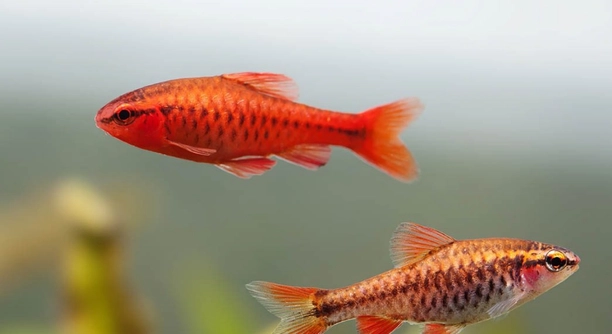
Cherry Barbs are peaceful and vibrant fish, often prized by aquarium enthusiasts. If you keep one as a pet, understanding its well-being is key to ensuring it thrives. Knowing the signs of a happy Cherry Barb can be very helpful.
A healthy and content Cherry Barb will exhibit active swimming, vibrant colors, and a healthy appetite. Regularly engaging with its environment and keeping water conditions optimal can further encourage happiness and well-being.
These signs are simple to identify and easy to foster, ensuring your Cherry Barb remains active and content in its home.
Active Swimming Behavior
When a Cherry Barb is happy, you’ll notice it swimming around energetically. These fish are naturally active and enjoy exploring their tank. A sluggish or lifeless fish can be a sign of stress or discomfort. Keep in mind that when the water quality is good and the environment is stimulating, Cherry Barbs are usually moving around actively. This not only helps them stay fit but also prevents them from becoming bored, which can lead to health issues.
If your Cherry Barb is consistently swimming near the surface or in specific areas of the tank, consider rearranging the decorations or adding plants. This helps stimulate their natural behavior and encourages swimming in different areas. Healthy, active fish show clear signs of joy and ease.
For best results, ensure the tank has plenty of space to swim, along with hiding spots and plants. Cherry Barbs tend to appreciate a lively environment, and small adjustments can make all the difference in their behavior.
Vibrant Coloration
Color is another clear indicator of a happy Cherry Barb. These fish have bright red and orange tones that intensify when they feel secure and well-cared for. Any dullness in their colors could indicate stress or poor water quality. A healthy Cherry Barb’s colors should remain vivid, especially in the right lighting.
Vibrant coloration can be maintained with a clean tank and consistent water changes. Over time, the color will become more prominent, particularly if they are fed a balanced diet and have regular interaction with their surroundings.
Healthy Appetite
A happy Cherry Barb will have a strong and consistent appetite. These fish are known for being eager eaters and will actively swim toward food during feeding times. If your fish is hesitant or avoids food, it may be a sign of stress or an underlying health issue.
Maintaining a balanced diet is essential to keeping your Cherry Barb in good health. Offering a mix of high-quality flakes, pellets, and occasional live food like brine shrimp can keep them engaged and satisfied. Avoid overfeeding, as this can lead to water quality issues and, in turn, stress for the fish.
Feeding should occur twice a day in small amounts. Ensure that the food is eaten within a few minutes to prevent uneaten particles from degrading water quality. Keeping a stable feeding routine helps maintain a healthy and happy Cherry Barb.
Social Behavior
Cherry Barbs are social fish and tend to thrive in small groups. A single Cherry Barb can often show signs of stress, as these fish are more comfortable when surrounded by others. When kept in groups of at least four to six, they exhibit more natural behaviors, including active swimming and playful interactions.
Social dynamics play a key role in their happiness. These fish will often swim together, chase each other, and engage in activities that keep them mentally stimulated. Not only does this reduce stress, but it also enhances their overall well-being. If your Cherry Barb seems isolated or overly aggressive, adding more tank mates may improve its behavior.
Always monitor your fish’s interactions to ensure that there’s no bullying or territorial behavior. A peaceful and happy group will create a stable, positive environment for your Cherry Barbs.
Clean Water Conditions
Clean water is essential for a happy Cherry Barb. These fish thrive in stable water conditions, with a pH level between 6.5 and 7.5, and temperatures ranging from 72°F to 80°F. Regular water changes help prevent toxins from building up, ensuring they remain healthy.
The water should be filtered and free of harmful chemicals. Make sure to test the water regularly for ammonia, nitrites, and nitrates. Keeping the water parameters stable will contribute to your Cherry Barb’s overall well-being. Healthy water equals healthy fish, so avoid overcrowding the tank and monitor the filtration system closely.
Tank Environment
A varied tank environment can contribute to a happy Cherry Barb. Providing plants, rocks, and hiding spots will mimic their natural habitat, allowing them to feel secure. Cherry Barbs appreciate a gentle water flow and will seek shelter when they feel stressed or threatened.
Ensure the tank is not too bright and that there are areas of shade for them to retreat. These hiding spots not only help reduce stress but also encourage natural behaviors like exploration and rest. A well-maintained tank with a varied layout will make a noticeable difference in their activity levels.
Proper Tankmates
Choosing the right tankmates is crucial for your Cherry Barb’s happiness. These fish do well with peaceful species like other small barbs, tetras, or rasboras. Avoid keeping them with aggressive fish that may cause stress.
Having non-aggressive, compatible tankmates will allow Cherry Barbs to interact peacefully. This can result in less anxiety and more time spent swimming and exploring. Compatibility is key for maintaining a harmonious tank environment. Always research potential tankmates to ensure they share similar water conditions and temperament.
FAQ
What should I feed my Cherry Barb to keep it happy?
A healthy diet is essential for your Cherry Barb’s happiness. They enjoy high-quality fish flakes or pellets, but you can also supplement their diet with live food like brine shrimp or bloodworms. Offering a varied diet ensures they get the nutrients they need for energy and vibrant colors. Feed your Cherry Barb twice a day, only as much as they can consume within a few minutes. Overfeeding can lead to water quality issues and affect their health. Ensure that leftover food is removed promptly to avoid polluting the water.
How often should I change the water in my Cherry Barb’s tank?
Water changes are crucial to maintaining a healthy environment. Ideally, change 25-30% of the water in your Cherry Barb’s tank every 1-2 weeks. This helps remove toxins like nitrates and ammonia that build up over time. In larger tanks with more filtration, you may be able to extend the interval, but regular monitoring is still essential. Always use a water conditioner to remove chlorine or chloramine if you’re using tap water, and ensure the temperature matches the tank’s conditions to avoid stressing your fish.
Can Cherry Barbs live alone, or do they need a group?
Cherry Barbs are social fish and thrive in groups. While a single Cherry Barb can survive, it will likely show signs of stress and become less active. Keeping them in groups of four to six allows them to interact naturally, reducing anxiety and improving their overall behavior. A group also promotes healthy social dynamics, including playful interactions and active swimming. If you’re keeping just one Cherry Barb, consider adding more to ensure it remains active and happy.
What is the ideal tank size for Cherry Barbs?
The ideal tank size for Cherry Barbs is at least 20 gallons, which provides enough space for them to swim and interact with each other. A larger tank allows for better water quality management and more room to create a stimulating environment with plants, rocks, and hiding spots. Overcrowding should be avoided, as it can lead to stress and poor water quality. In a smaller tank, it’s harder to maintain stable water conditions, which can negatively impact your Cherry Barb’s health.
How can I tell if my Cherry Barb is stressed?
Stressed Cherry Barbs may show signs like faded color, sluggish swimming, or hiding more than usual. They may also become more aggressive or territorial, particularly if they’re kept with incompatible tankmates. Poor water quality, aggressive tankmates, or inadequate hiding spaces can all contribute to stress. If you notice these signs, check the water parameters (such as pH, temperature, and ammonia levels) and evaluate the tank’s layout. Reducing stress factors and making adjustments can help restore your Cherry Barb’s happiness.
What is the lifespan of a Cherry Barb?
Cherry Barbs typically live for 3 to 5 years, though they can sometimes live longer with optimal care. To ensure a long, healthy life, maintain clean water, provide a balanced diet, and offer a stable, stress-free environment. Regular monitoring of their behavior and water conditions is key to keeping them healthy over the years. With proper care, Cherry Barbs can live a fulfilling life in your aquarium.
How can I encourage my Cherry Barb to breed?
Encouraging breeding in Cherry Barbs requires providing optimal conditions. A breeding tank with soft, slightly acidic water (pH 6.5 to 7.0) and a temperature between 75°F and 80°F is ideal. Provide plenty of plants and fine-leafed vegetation where the female can lay eggs. To trigger spawning, you can slightly increase the temperature and do a partial water change with cooler water to simulate the rainy season. After spawning, remove the parents to prevent them from eating the eggs. The eggs will hatch in about 24-48 hours.
What size tankmates are best for Cherry Barbs?
Cherry Barbs do well with small, peaceful fish. Ideal tankmates include other barbs, tetras, rasboras, and small livebearers. Avoid keeping them with larger or more aggressive species, as these can stress your Cherry Barb and cause harm. Cherry Barbs are peaceful but may become stressed if housed with overly dominant fish. It’s best to research each species’ temperament and water needs before introducing them into the tank to ensure compatibility.
How do I prevent my Cherry Barb from becoming sick?
Prevention starts with providing a clean tank and stable water conditions. Regular water changes, maintaining a good filtration system, and ensuring the tank isn’t overcrowded are the first steps in preventing illness. You should also feed a balanced diet and avoid overfeeding, as poor nutrition can lead to weak immune systems. Avoid introducing new fish without quarantining them first to prevent the spread of diseases. Keep an eye on your Cherry Barb’s behavior and appearance to catch any signs of illness early and address them promptly.
Can Cherry Barbs tolerate salt in the water?
Cherry Barbs can tolerate small amounts of salt, but they are not saltwater fish. Adding salt should be done cautiously, as too much can harm them. Salt is sometimes used to treat specific illnesses like ich, but it should not be a regular addition to their tank. If using salt, follow recommended dosages carefully and remove it once the treatment is completed to avoid long-term effects. Always monitor the fish for any signs of distress when adjusting water conditions.
Why is my Cherry Barb hiding all the time?
If your Cherry Barb is hiding constantly, it may be stressed or unwell. Common causes of hiding include poor water quality, aggressive tankmates, or inadequate tank setup. Ensure that the water conditions are optimal and that the tank has enough hiding spots and plants for the fish to feel secure. If hiding continues despite improvements in the environment, check for signs of illness, as hiding can also be a symptom of disease.
Final Thoughts
Cherry Barbs are hardy and peaceful fish, making them a great addition to any freshwater tank. By providing them with proper care, including clean water, a balanced diet, and compatible tankmates, you can help ensure that they live a long and healthy life. Their vibrant colors and playful behavior make them a joy to watch, and with the right environment, they will thrive. Cherry Barbs are social creatures, so keeping them in small groups allows them to express their natural behaviors and reduces stress.
It is important to regularly check the water quality and maintain a stable environment. Monitoring parameters like pH, temperature, and ammonia levels is essential for preventing health issues. In addition, a well-planted tank with hiding spots will make your Cherry Barbs feel secure and encourage them to exhibit their best behaviors. A healthy tank not only benefits the Cherry Barbs but also promotes a thriving ecosystem for other fish and plants in the aquarium.
Lastly, always observe your Cherry Barbs for any signs of stress or illness. These fish are sensitive to changes in their environment, so it is crucial to act quickly if you notice any unusual behavior. With the right attention and care, your Cherry Barbs will add beauty and activity to your aquarium for years to come. Enjoy watching them swim and interact in a healthy, well-maintained tank, and take pride in knowing you’ve provided them with the best possible environment.

Hello,
If you enjoy the content that we create, please consider saying a "Thank You!" by leaving a tip.
Every little bit helps us continue crafting quality advice that supports the health, happiness, and well-being of pets around the world, for pets of all shapes, sizes, and species.
We really appreciate the kindness and support that you show us!