
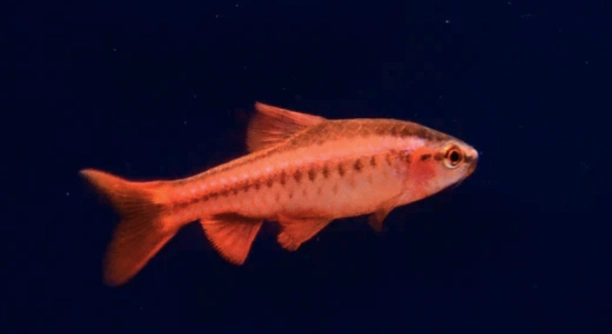
Have you ever watched your cherry barbs swim around and wondered if they might be trying to connect with you in their own way?
Cherry barbs show affection through group swimming, gentle chasing, vibrant color displays, and calm behavior around familiar tank mates. Bonding with them involves consistent care, a peaceful tank environment, and regular feeding interactions to build trust.
These simple signs can deepen your understanding of their behavior and improve your relationship with them over time.
Cherry Barbs Swim Together to Show Comfort
Cherry barbs often swim in small groups, and this behavior is one of their clearest signs of affection. When they feel safe and familiar with their surroundings, they move in unison with their tank mates. This coordinated movement shows a calm, social atmosphere. If a cherry barb frequently stays close to another, it’s often a sign of comfort and trust. They enjoy each other’s company, and when they include you in this behavior—like swimming toward you when you approach the tank—it’s a subtle but real connection. These signs may seem simple, but they highlight how they bond over time.
Swimming in groups is natural for cherry barbs. It keeps them relaxed and encourages friendly behavior. Isolation, on the other hand, might be a sign something is off.
If you notice one fish lagging or hiding often, it may be feeling stressed. Keep the group balanced with at least five or six fish. This prevents bullying and creates a stable, secure environment where social swimming can thrive. When they move together freely, it shows they feel safe with each other—and with you. This connection builds slowly, but steady care and observation help strengthen it over time.
Bright Colors Mean They Feel Secure
Bright, glowing colors are a natural sign that your cherry barbs feel good in their environment. They show this when they’re healthy, content, and free from stress.
Color vibrancy in cherry barbs reflects their internal state. A bold red shade usually means everything is working well: the water is clean, food is nutritious, and their space feels safe. Males, in particular, will show off more vibrant tones when they’re comfortable or trying to communicate with others in the tank. During mating periods or after settling into a new environment, you’ll often see these color changes.
When a cherry barb grows dull in appearance, it may signal poor water quality, lack of hiding spots, or conflict within the group. To avoid this, perform regular water changes, limit sudden tank changes, and keep stress low by maintaining stable lighting and temperature levels. Consistency makes a difference. Offering them a planted tank with enough room to swim can bring out their best colors. Over time, their appearance will reflect how they feel, and watching those colors deepen can be a subtle reward for the care you’ve given them.
Gentle Chasing Shows Playfulness
Cherry barbs sometimes chase each other lightly around the tank. This isn’t aggression—it’s often a playful interaction, especially between males and females. It’s one of the ways they express comfort and even interest in one another.
This chasing behavior usually happens when the fish feel secure. It can become more frequent during breeding times or when the tank conditions are ideal. The key is to observe the difference between playful darting and aggressive bullying. If no one is hiding, getting injured, or losing color, then it’s likely normal and healthy. When the fish trust their surroundings and each other, these short bursts of movement happen more often. Keeping the tank enriched with plants and open space helps them enjoy these natural behaviors. It also gives others room to move away if needed. Recognizing this pattern helps you understand when they’re bonding and when they’re stressed.
Adding new tank mates or rearranging decor can sometimes trigger more chasing. If it remains light and doesn’t lead to nipping or hiding, it usually means your cherry barbs are adjusting well. They’re social and active by nature. Watching how they chase—without signs of fear or tension—can give insight into how they relate to each other and to their environment.
Calm Behavior Around You
Cherry barbs may stay calm and relaxed when you approach the tank. This is a strong sign that they recognize your presence and feel safe. Sudden darting or hiding would usually mean the opposite.
When your cherry barbs remain visible, continue swimming normally, or approach the front of the tank as you move closer, it shows they associate you with comfort. This type of trust builds slowly. Routine feeding helps reinforce it, especially if they begin to gather near the surface when they see you. Keep your movements slow and consistent during interactions. Loud noises or tapping on the glass can break this comfort quickly. Over time, they’ll come to associate you with food, safety, and stability. This relaxed behavior is a direct reflection of how secure they feel in their home and how comfortable they are with your presence as part of it.
They Hover Near You at Feeding Time
Cherry barbs often gather at the front of the tank when you approach during feeding time. This behavior shows recognition and trust. It’s also a clear way they begin to associate you with something positive.
As they get more comfortable, they may start hovering near the surface before you even drop food. This waiting behavior reflects bonding through repetition and routine.
They Accept Food From Your Fingers
With patience, cherry barbs can learn to take food directly from your fingers. This usually happens after weeks of consistent feeding routines. Start by placing your hand near the surface during feeding. Over time, they may swim closer, drawn by curiosity and the scent of food. If they show no signs of stress and continue eating, you can slowly let the food rest on your fingertips. Never force the interaction or move suddenly. Once trust is built, this method can become part of your regular feeding, strengthening the bond between you and your fish through calm, direct interaction.
They Linger Near Familiar Tank Mates
Cherry barbs form small social bonds and tend to stay near fish they know. This closeness helps them feel secure and reduces stress. It also shows how they form trust through consistency and calm interactions.
FAQ
How can I tell if my cherry barb is stressed?
A stressed cherry barb may show several signs, including hiding more often, swimming erratically, or changing color. If your fish begins to isolate itself or stop eating, it may be stressed. The water quality, tank mates, and environment all play a role in their stress levels. Pay attention to the behavior, as it can indicate that something in the tank is out of balance.
What tank size is best for cherry barbs?
Cherry barbs prefer a tank that allows them to swim freely with enough space for their social behavior. A tank size of at least 20 gallons is recommended for a group of 5-6 fish. This gives them enough space to explore and form natural bonds. Larger tanks allow for better water stability and can support additional tank mates.
Do cherry barbs need tank mates?
While cherry barbs are peaceful, they do best in groups. A solitary fish may become stressed and shy. Having at least five or six fish will promote natural behavior, as they feel more secure in numbers. Cherry barbs are generally compatible with other peaceful species, but it’s important to avoid aggressive tank mates.
Can cherry barbs live with other fish?
Yes, cherry barbs can live with other peaceful fish like tetras, rasboras, or smaller catfish. They prefer tank mates that are not overly territorial or aggressive. Always consider the temperament and size of other species to ensure compatibility. Keep an eye on the interactions, especially during feeding time or when new fish are introduced.
How often should I feed my cherry barbs?
Feed your cherry barbs once or twice a day, offering a variety of food options, such as high-quality flakes, pellets, and occasional live or frozen food. Overfeeding can lead to water quality problems, so only provide what they can eat in 2-3 minutes. Regular feeding times will help them feel secure and develop a routine.
Why are my cherry barbs not showing their vibrant colors?
If your cherry barbs are dull in color, it could be due to poor water quality, stress, or an unbalanced diet. Ensure the water parameters are within the ideal range and that they are receiving a well-rounded diet. Changes in tank conditions, such as temperature fluctuations or aggressive tank mates, can also cause them to lose their bright coloration.
How do I help my cherry barbs bond with me?
Building trust with cherry barbs takes time and patience. Regular feeding at consistent times helps establish a routine. As they get used to your presence, they may begin to swim closer to the glass or even take food from your fingers. Avoid sudden movements, as they can startle the fish. A calm and consistent approach will help them feel more comfortable.
Can cherry barbs live in a planted tank?
Yes, cherry barbs thrive in a planted tank. They appreciate a well-planted environment that provides plenty of hiding spots and a natural-looking habitat. Plants also help maintain water quality by absorbing nitrates. Make sure the plants are compatible with your water parameters and give your cherry barbs space to swim.
Are cherry barbs easy to care for?
Cherry barbs are relatively easy to care for, as long as their basic needs are met. They require stable water conditions, a balanced diet, and social interaction with other peaceful fish. Regular water changes and monitoring water parameters are essential for maintaining their health. With the right setup, they can live for several years.
What is the lifespan of a cherry barb?
The average lifespan of a cherry barb is around 3 to 5 years, though some can live longer with optimal care. Regular water changes, proper feeding, and maintaining stable tank conditions will help ensure they reach their full lifespan. A healthy tank environment contributes significantly to their overall well-being.
Do cherry barbs breed easily?
Cherry barbs can breed in a home aquarium, but it requires some preparation. To encourage breeding, you’ll need a separate breeding tank with soft, acidic water. The male will display his brightest colors to attract the female. After spawning, remove the adults from the tank, as they may eat the eggs. Hatchlings will typically appear within a few days.
What is the best temperature for cherry barbs?
Cherry barbs prefer a temperature range of 72°F to 80°F (22°C to 27°C). Keeping the temperature within this range ensures they stay active, healthy, and comfortable. Avoid sudden temperature fluctuations, as they can stress the fish. A stable temperature promotes better breeding and overall well-being.
Do cherry barbs require a filter?
Yes, cherry barbs do require a filter to maintain good water quality. A filter helps remove debris, excess food, and waste products, which can cause toxic buildup in the water. Choose a filter with moderate flow, as cherry barbs prefer calm waters. Regular maintenance and cleaning of the filter are essential to keep the tank clean and healthy.
What type of food do cherry barbs eat?
Cherry barbs are omnivores and enjoy a variety of foods. They will eat high-quality flakes, pellets, live or frozen food like brine shrimp or daphnia, and occasional vegetable matter. A varied diet helps keep them healthy and vibrant. Ensure they are eating everything you provide to avoid overfeeding.
Can cherry barbs jump out of the tank?
While not particularly known for jumping, cherry barbs can occasionally leap if they feel threatened or stressed. It’s essential to have a tank lid or cover to prevent any accidental escapes. This is especially important in tanks with high water levels or during periods of high activity.
What size group of cherry barbs is best?
Cherry barbs do best in groups of at least 5-6 fish. A larger group helps them feel secure, as they are social creatures. In a group, they can display natural behavior, like swimming together and forming bonds with one another. The more, the merrier, as long as your tank can accommodate them.
Final Thoughts
Cherry barbs are small, peaceful fish that can form strong bonds with their owners. While they may not be as outgoing as some other species, they show affection in subtle ways. By observing their behavior, you can learn how to connect with them. Their social nature means they thrive in groups, making it important to keep at least five or six together. This not only ensures their well-being but also strengthens their natural instincts and makes them more interactive with their surroundings, including you.
Maintaining a healthy environment is essential for keeping cherry barbs happy. Regular water changes and monitoring of tank conditions help to ensure they remain vibrant and healthy. It’s important to avoid overfeeding, as this can lead to poor water quality, which in turn affects the health of your fish. Additionally, providing a well-planted tank with plenty of hiding spaces can create an ideal environment where cherry barbs can thrive. The more comfortable they feel in their habitat, the more likely they are to show affection and interact with you.
Building a bond with cherry barbs takes time, but the rewards are worth it. By being patient and consistent with feeding and tank maintenance, you’ll begin to notice signs of trust. Over time, they will come to recognize you as a source of safety and care, which can lead to even closer interactions. Cherry barbs are low-maintenance fish, but understanding their needs and providing a stable, peaceful environment will help foster a strong connection between you and these charming little fish.

Hello,
If you enjoy the content that we create, please consider saying a "Thank You!" by leaving a tip.
Every little bit helps us continue crafting quality advice that supports the health, happiness, and well-being of pets around the world, for pets of all shapes, sizes, and species.
We really appreciate the kindness and support that you show us!