
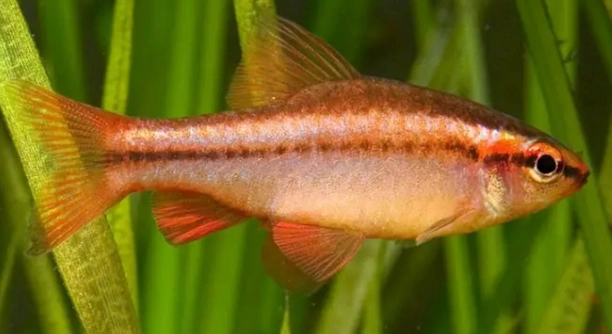
Have you ever found yourself staring at your cherry barb and wondering if it actually likes you or just tolerates your presence? These little fish can show affection, but the signs aren’t always obvious to beginners.
Cherry barbs that enjoy your presence will often swim near you, follow your finger along the glass, and remain visible instead of hiding. These behaviors indicate comfort, reduced stress, and potential recognition of you as part of their environment.
Noticing these signs can help you form a stronger bond and ensure your fish feels safe and cared for in its tank.
Signs Your Cherry Barb Feels Comfortable Around You
Cherry barbs are shy by nature, but once they feel secure, their behavior changes noticeably. A cherry barb that feels at ease will swim out in the open more often instead of hiding behind plants or decorations. You may see it actively exploring the tank, feeding without hesitation, and showing interest in your movements. If it starts following your finger along the glass or approaches you when you’re near the tank, this can indicate recognition and trust. These behaviors show that your cherry barb is not feeling threatened and may be associating you with safety and food. It’s important to observe these patterns regularly to distinguish between natural shyness and signs of comfort. Bright colors, steady swimming, and lack of stress-related behaviors like darting or hiding are all positive indicators. Every cherry barb has its own personality, so consistent observation is key to understanding how yours is reacting to you.
When a cherry barb stays visible and swims near the front of the tank, it may be showing trust and interest in your presence.
Be patient when trying to gain a cherry barb’s trust. Sudden movements or tapping on the glass can make it retreat quickly. Offer food from the same spot consistently to help it recognize your role in its routine. Over time, it may begin to associate your presence with feeding and comfort. If it follows your finger or approaches you when you’re nearby, these are strong signs it feels safe. Avoid overcrowding the tank or changing the setup often, as stability helps your fish feel at ease. Consistency and calm behavior will build a better connection between you and your cherry barb.
Behavior That Suggests Stress or Discomfort
When a cherry barb hides constantly or darts away quickly, it could be feeling stressed or uncertain about its surroundings. This behavior may also show up if the tank environment changes too often.
Stress in cherry barbs often appears as faded coloring, sluggish movements, or excessive hiding. These fish prefer a stable environment with enough space, hiding spots, and clean water. Loud noises, sudden movements, or too much light can unsettle them. Inconsistent water temperature, poor water quality, and aggressive tankmates are other common stressors. If your cherry barb rarely comes to the front or avoids your presence entirely, it may not feel safe or settled. A stressed cherry barb may also eat less and show little interest in its surroundings. Creating a calm, consistent environment with plenty of plants and places to hide helps reduce stress. Observing these behaviors closely will help you make any necessary adjustments to improve your cherry barb’s comfort.
How Feeding Habits Can Show Affection
A cherry barb that likes you may eat comfortably when you’re nearby or even swim up to the surface as you approach. Consistent, positive feeding experiences can build trust and encourage interaction between you and your fish.
Feeding time is one of the clearest moments to observe your cherry barb’s comfort level. If it eagerly swims toward you when you approach the tank or rises to meet the food before it even hits the water, this shows recognition. A relaxed cherry barb won’t hide during feeding but instead joins in right away. Avoid overfeeding or sudden food drops, as this can startle them. Offer small portions regularly and watch how they react. Over time, their behavior will show familiarity with your presence, especially if they eat more confidently when you are close. This is a strong sign your cherry barb associates you with safety and nourishment.
When your cherry barb eats from the same corner of the tank after you’ve established a feeding routine, it may be picking up on your pattern. Repetition helps them form connections. The calmer you are during feeding, the more they trust the situation. Some cherry barbs even wait near the surface when they anticipate food, which reflects learning and recognition. You don’t need to train them like other pets, but they do notice habits. Watch for gradual shifts in how close they swim to you during meals. If their behavior seems relaxed and engaged, that means you’re building a healthy rhythm together.
Environmental Changes That Can Influence Behavior
Any big change in the tank—such as new decor or lighting—can temporarily change how your cherry barb acts. Some may hide more or become less responsive until they adjust to the new setup.
Cherry barbs are sensitive to sudden changes, and even small alterations can shift their behavior. Rearranging plants, switching filters, or changing water parameters too quickly can lead to hiding, loss of color, or sluggishness. When changes are necessary, try to do them gradually. Dim lighting adjustments or repositioning objects over several days can help your cherry barb adapt without stress. Stable water quality is crucial—sudden pH or temperature shifts can cause discomfort. Once they feel safe again, they’ll return to their usual patterns, like swimming in the open or approaching during feeding. Keep track of changes and note any differences in behavior. This will help you better understand what helps your fish feel secure and what causes unease.
Daily Movement Patterns to Watch
Cherry barbs that swim steadily, especially in the middle areas of the tank, are showing comfort. Erratic movements or sudden darting are often signs of fear or stress, especially if they occur when you approach the tank.
If your cherry barb follows a predictable routine each day—exploring, resting, and swimming calmly—it likely feels safe. Disruptions in these patterns may suggest discomfort or unease.
What Tank Mates Can Tell You
Cherry barbs are peaceful and tend to get along with similar-sized, non-aggressive fish. If they interact calmly with their tank mates, this reflects overall comfort. Aggressive behavior or isolation can indicate stress caused by incompatible companions or overcrowding. Maintaining a peaceful tank helps reinforce trust and safety.
When to Be Concerned
If your cherry barb stops eating, hides constantly, or its colors fade noticeably, it could be a sign of ongoing stress or illness. Early action can help prevent long-term issues.
FAQ
How do I know if my cherry barb is happy?
A happy cherry barb swims freely, eats regularly, and shows vibrant coloration. It will often stay active throughout the day, especially in the middle and lower parts of the tank. If it comes to the front when you approach or follows your movement, this is a positive sign. A healthy environment, stable water parameters, and a peaceful tank setup help your cherry barb feel secure. Avoid loud noises or sudden changes in the tank, as this can disrupt its comfort. When it acts consistently calm and curious, that’s usually a strong indication of contentment.
Why does my cherry barb hide when I come near the tank?
Cherry barbs may hide when they’re scared, sick, or adjusting to new surroundings. If your fish is new to the tank or if you’ve made recent changes, it may need time to feel safe again. Hiding behind plants or decor is normal during adjustment. However, if it continues for several days and is paired with a lack of appetite or faded color, something may be wrong. Double-check the water quality, temperature, and tank mates. A peaceful, familiar environment helps build trust. Approach the tank slowly and avoid tapping the glass, as sudden movements can cause stress.
Can cherry barbs recognize their owners?
Cherry barbs can learn to associate you with feeding and care. While they may not recognize your face like a dog would, they can respond to patterns and behavior. If you feed them at the same time each day, they may start to swim to the top or front of the tank when you enter the room. These reactions show a form of recognition through routine. Over time, your cherry barb may appear more interactive when you are present, especially if you’re gentle and consistent with your actions around the tank.
What does it mean if my cherry barb chases other fish?
Mild chasing is often normal and can be part of playful or territorial behavior, especially during feeding. However, if the chasing becomes constant or aggressive, it may be a sign of stress or overcrowding. Cherry barbs do best in small schools of at least five or six. Being in a group can help reduce this kind of behavior, as it balances their interactions. Make sure your tank is large enough for swimming space and has plenty of plants or hiding spots. When your cherry barb feels secure, it’s less likely to bother its tank mates.
Is it normal for my cherry barb to change color?
Yes, cherry barbs can change color based on mood, health, or environment. Brighter colors usually mean they are comfortable and healthy. Duller colors can appear when they are stressed, scared, or unwell. If your cherry barb’s color fades temporarily after a water change or new tank addition, it’s probably reacting to the shift. However, long-term color loss may signal poor water conditions or illness. Test the water regularly and make changes gradually. Feeding a balanced diet and maintaining a calm environment can also help keep your cherry barb looking its best.
Should I interact with my cherry barb outside of feeding time?
Yes, interacting gently can help your cherry barb grow more comfortable with you. While they don’t enjoy direct handling, they do respond to your presence. Spending a few minutes observing them or moving slowly near the tank can help them feel familiar with your presence. Over time, they may swim closer or explore more openly when you’re around. Avoid sudden movements or loud noises. Let them approach the glass on their own terms. Regular quiet interaction supports bonding and can help you notice changes in their health or behavior more easily.
Final Thoughts
Observing your cherry barb can be a calming and rewarding part of fishkeeping. These small, peaceful fish have subtle ways of showing comfort, interest, or stress. Understanding their behavior helps you create a safe and stable environment. Whether it’s swimming patterns, feeding habits, or reactions to your presence, each action tells you something. Over time, small signs—like steady swimming, bright color, or calm behavior—can show that your cherry barb feels secure and relaxed around you. These fish may not express affection in the way other pets do, but their consistency and interaction can reflect a quiet bond.
Creating the right environment is one of the most important parts of helping your cherry barb feel at ease. Clean water, proper tank mates, enough swimming space, and a calm setting all matter. When conditions are right, cherry barbs show more color, explore the tank with ease, and interact with their surroundings in peaceful ways. Taking time to observe your fish daily helps you notice changes early, so you can respond quickly to anything that might cause discomfort. A stable, well-maintained tank allows cherry barbs to show their natural behaviors, which often include curiosity and gentle social activity within their group.
While cherry barbs may not show affection in the way some animals do, they can still form a level of trust through routine and care. Feeding at the same time, maintaining the tank, and interacting calmly can help them become more comfortable with your presence. Over time, they may swim closer to you or respond with subtle changes when you approach. This behavior isn’t just about food—it’s often a sign that they feel safe. Being consistent and observant builds a stronger connection with your cherry barb and helps ensure they live a healthy, stress-free life in your aquarium.

Hello,
If you enjoy the content that we create, please consider saying a "Thank You!" by leaving a tip.
Every little bit helps us continue crafting quality advice that supports the health, happiness, and well-being of pets around the world, for pets of all shapes, sizes, and species.
We really appreciate the kindness and support that you show us!