
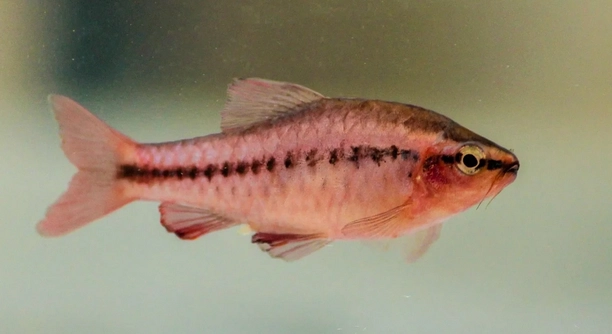
Cherry Barbs are social fish that thrive in groups, but when kept alone, they can become lonely and stressed. Understanding the reasons behind their loneliness is key to ensuring their well-being and happiness.
There are several reasons your Cherry Barb may feel lonely, including lack of tank mates, inadequate tank conditions, or the absence of environmental enrichment. These factors can cause stress, affecting their health and behavior. Providing a proper setup can resolve these issues.
By addressing these key areas, you can improve your Cherry Barb’s living conditions and overall happiness. Creating a more suitable environment will ensure they thrive in your aquarium.
Lack of Tank Mates
Cherry Barbs are schooling fish, meaning they thrive when surrounded by other fish of their kind. When kept alone, they can feel isolated and stressed. This lack of social interaction can lead to changes in behavior, such as swimming aimlessly or hiding more than usual. Fish like Cherry Barbs rely on the company of their own species to feel secure in their environment.
Adding more Cherry Barbs to your tank can provide them with the companionship they need to flourish. A group of at least five or six can help reduce stress and encourage natural behaviors like schooling.
If you’re hesitant about overcrowding, consider adding other peaceful, small fish to create a community. However, it’s essential that any new fish share similar care requirements. A well-balanced tank with multiple fish can prevent your Cherry Barb from feeling lonely and stressed.
Inadequate Tank Conditions
If your tank isn’t set up properly, it can contribute to loneliness. Poor water quality, temperature fluctuations, or unsuitable tank size can all affect the Cherry Barb’s well-being. These factors may not always be obvious, but they can cause subtle stress that leads to loneliness.
Ensure your tank is properly maintained, with clean water and the right temperature range. Cherry Barbs thrive in water temperatures of 74°F to 80°F (23°C to 27°C) and a pH level between 6.5 and 7.5. Keeping the tank well-filtered and regularly checking water parameters can go a long way in making your fish feel more at ease.
In addition to water quality, tank size is another crucial factor. A tank that’s too small can restrict your Cherry Barb’s movement and create a stressful environment. Providing adequate space and conditions will help foster a happier, more active fish.
Lack of Environmental Enrichment
Environmental enrichment is just as important for your Cherry Barb’s mental and physical health as social interaction. In a tank with no plants, decorations, or hiding spots, your fish can feel stressed, bored, or exposed. Cherry Barbs love to explore and hide, and having plants or caves to swim through can offer them a sense of security.
Adding live plants like Java Fern or Anubias can improve water quality and give your fish places to explore. You can also include driftwood, rocks, or other tank accessories to encourage natural behaviors like foraging. A well-enriched tank also helps prevent boredom and promotes healthy, active fish.
Without enough stimulation, your Cherry Barb may not only become lonely but also more prone to stress-related illnesses. Environmental enrichment is a simple way to improve your fish’s overall happiness and reduce feelings of isolation.
Territorial Behavior
Even though Cherry Barbs are peaceful, they may exhibit territorial behavior, especially if they feel threatened or if there aren’t enough hiding spaces. Territoriality can cause aggression towards other fish, and this tension can lead to loneliness for the Cherry Barb.
Providing plenty of plants and decorations creates safe zones and reduces territorial disputes. When Cherry Barbs feel secure in their environment, they’re less likely to display aggressive behavior, making it easier for them to interact with other fish.
In a tank with limited hiding spots, Cherry Barbs may isolate themselves to avoid confrontations. Ensuring a well-furnished tank not only minimizes stress but also encourages socialization. Fish that feel less threatened are more likely to swim in groups and engage with each other, which reduces loneliness and helps them feel safe.
Improper Diet
A poor diet can contribute to loneliness in Cherry Barbs. If they aren’t receiving the right nutrition, they may become lethargic or stressed, which impacts their social behavior. Offering a variety of high-quality foods can help improve their overall health and happiness.
Cherry Barbs need a well-balanced diet to maintain their energy levels and social behaviors. A mix of high-quality flake food, live or frozen foods like brine shrimp, and occasional vegetable matter will keep them healthy. Lack of proper nutrients can lead to a weakened immune system and stress.
In addition to food variety, feeding in a way that mimics natural behaviors can improve your fish’s well-being. Scatter food throughout the tank to encourage foraging and provide enrichment. If your Cherry Barb isn’t eating properly, consider adjusting their diet or feeding schedule to ensure they’re getting the right amount of nutrients.
Stress from Other Tankmates
Certain tankmates can stress out your Cherry Barb, causing them to retreat and feel lonely. Aggressive or overly active fish might intimidate or outcompete your Cherry Barb for food or space.
Make sure your tankmates are peaceful and compatible with Cherry Barbs. Avoid placing them with aggressive or territorial species, as this can cause your fish to feel isolated. Ideal companions include other small, calm species that won’t compete for food or space.
Fish that are too large or active may also disturb your Cherry Barb’s natural behavior, leading to stress. By carefully choosing tankmates, you can reduce stress and encourage more active, social behavior. This will help your Cherry Barb feel more at ease and less lonely in the tank.
Overcrowding in the Tank
Overcrowding can also contribute to your Cherry Barb’s loneliness. While they enjoy the company of others, too many fish in a small tank can increase stress. This reduces their space to swim and causes them to feel more isolated.
If the tank is too small, even with plenty of other fish, the lack of space can cause discomfort. Cherry Barbs need room to swim freely and socialize. Overcrowding also leads to higher waste levels, affecting water quality. Ensuring the tank is spacious enough will allow your fish to enjoy their environment and avoid stress.
Inconsistent Water Conditions
Inconsistent water conditions can make your Cherry Barb feel unsafe, which leads to isolation. Fluctuating temperatures or improper pH levels make the environment less predictable. Your fish may retreat or swim aimlessly due to stress.
Maintaining stable water parameters is essential for your Cherry Barb’s well-being. Keeping the temperature between 74°F and 80°F, and checking pH regularly, will ensure your fish feel comfortable. If conditions are constantly changing, it can make it difficult for them to relax and socialize, increasing their stress.
Low Lighting or Excessive Light
Cherry Barbs thrive in moderate lighting conditions, so too much or too little light can affect their behavior. Excessive light can stress them, causing them to hide. Low lighting can make them feel insecure, leading to loneliness.
Balancing the lighting in your tank is key. Ensure that the tank gets natural light, but avoid direct exposure to sunlight. A consistent day-night cycle of about 10 to 12 hours of light will help your Cherry Barb feel secure and promote natural behavior, encouraging them to interact with their tankmates.
FAQ
Why is my Cherry Barb hiding all the time?
If your Cherry Barb is constantly hiding, it could be a sign of stress or discomfort. This may be due to aggressive tankmates, poor water conditions, or a lack of enrichment. When they don’t feel safe, they often retreat to corners or hiding spots to escape potential threats. Make sure your tank is well-lit, spacious, and has enough hiding places, such as plants or decorations, to help your fish feel secure. You should also check the water quality and ensure there are no sharp changes in temperature or pH levels. If you’ve recently added new fish, ensure they are compatible with Cherry Barbs to avoid stress.
How many Cherry Barbs should I keep together?
Cherry Barbs are schooling fish and should be kept in groups of at least five to six individuals. Keeping just one or two can cause them to feel lonely, which can lead to stress and even health issues. A group allows them to feel secure, as they’ll engage in natural behaviors like schooling, which promotes their overall well-being. Having enough of their kind in the tank reduces loneliness and helps them feel more confident in the environment. Make sure the tank is large enough to accommodate the group and offer them ample space to swim.
Can Cherry Barbs live with other fish?
Yes, Cherry Barbs are generally peaceful fish and can live with other non-aggressive species. They do best in community tanks with similar-sized fish that are not overly territorial or aggressive. Good tankmates include peaceful species like small tetras, rasboras, and other barbs. However, you should avoid keeping them with aggressive fish, such as cichlids or large, active species, as these can stress out your Cherry Barbs. Always ensure that new tankmates are compatible in terms of size, temperament, and water requirements.
What water conditions do Cherry Barbs need?
Cherry Barbs thrive in stable water conditions. The ideal temperature range is between 74°F and 80°F (23°C to 27°C), and they prefer a pH between 6.5 and 7.5. Keep the water well-filtered to maintain its quality, and ensure there is minimal fluctuation in temperature or pH levels. Regular water changes are essential to prevent the buildup of toxins and to maintain a clean, healthy environment. Testing the water regularly will help you monitor these conditions and prevent stress for your fish.
How do I know if my Cherry Barb is stressed?
Signs of stress in Cherry Barbs include erratic swimming, hiding frequently, loss of appetite, and faded or dull colors. Stress can be caused by various factors, such as poor water conditions, incompatible tankmates, overcrowding, or even a lack of proper diet. If your fish exhibits these symptoms, it’s important to assess their environment. Check the water quality, ensure they have enough space to swim, and confirm that the tankmates are not aggressive or causing undue stress. Adding more Cherry Barbs or other peaceful fish can also help.
Can Cherry Barbs breed in a community tank?
Yes, Cherry Barbs can breed in a community tank, but breeding may be more successful in a separate breeding setup to protect the eggs and fry. To encourage breeding, provide plenty of plants for the fish to hide in, as well as some spawning sites like fine-leafed plants or moss. Make sure the water temperature is slightly warmer (around 78°F or 25°C) and slightly acidic. However, if you have other fish in the tank, they may eat the eggs or fry, so you might want to separate the parents once breeding occurs.
Why is my Cherry Barb not eating?
A lack of appetite in Cherry Barbs can be due to several reasons, including stress, poor water quality, or an inappropriate diet. If the water temperature or pH is off, your fish may not feel comfortable enough to eat. Similarly, if they are stressed by aggressive tankmates or are being overwhelmed by too many fish in the tank, they may lose interest in food. Try adjusting their environment, offering different types of food, and observing their behavior. A balanced diet of flakes, pellets, and live or frozen foods is important for maintaining their appetite.
Do Cherry Barbs need live plants in their tank?
While Cherry Barbs don’t require live plants, they do greatly benefit from having them in their tank. Live plants provide hiding spots, areas for foraging, and places to explore, which helps reduce stress and loneliness. Plants also help maintain water quality by absorbing excess nutrients and providing oxygen. If you don’t want to deal with live plants, artificial plants can also provide similar benefits. Regardless of the type, having plant life in the tank is beneficial for both your Cherry Barbs and the overall health of your aquarium.
Can Cherry Barbs live alone?
Cherry Barbs should not be kept alone. They are schooling fish that thrive in groups. When kept alone, they can become stressed, lonely, and more prone to illness. It is best to keep them in groups of at least five to six, but the more, the better. A small group will allow them to engage in natural behaviors, such as schooling and socializing, which is essential for their well-being. Keeping a single Cherry Barb can also lead to boredom, as they need social interaction to feel comfortable in their environment.
What size tank do Cherry Barbs need?
Cherry Barbs are small fish but still need enough space to swim and feel secure. A tank size of at least 20 gallons is recommended for a small group of Cherry Barbs. This allows them enough room to move around comfortably while also providing space for other tankmates. If you plan to add other fish, you may need a larger tank to avoid overcrowding and reduce stress. Larger tanks are also easier to maintain as they offer more stable water conditions.
Final Thoughts
Cherry Barbs are peaceful, social fish that thrive when they feel safe and comfortable in their environment. Keeping them in a group, providing enough space, and ensuring a healthy tank setup are key to their well-being. If your Cherry Barb seems lonely or stressed, it’s often a sign that something in their environment needs adjusting. Stress can lead to health issues, so paying attention to the water conditions, tankmates, and overall tank setup is crucial. The right conditions will help your Cherry Barb feel more secure, leading to a happier, healthier fish.
While Cherry Barbs enjoy the company of their kind, they are also adaptable to community tanks with other peaceful species. Just be mindful of the tank’s size and avoid overcrowding, as this can cause stress and negatively affect your fish. With the right balance of water quality, temperature, and tankmates, your Cherry Barb will feel at ease and thrive in its environment. Keeping an eye on their behavior and health can help you identify when something is wrong and make adjustments before problems arise.
By offering them a suitable tank environment, you can create a peaceful, thriving space where your Cherry Barb can interact with its school and live happily. This can also prevent common problems, such as loneliness, which can cause stress and other health issues. Cherry Barbs are relatively low-maintenance, but they do require some care and attention. With the right conditions and proper care, they can live a long, healthy life in your aquarium, bringing vibrant color and peaceful energy to your tank.

Hello,
If you enjoy the content that we create, please consider saying a "Thank You!" by leaving a tip.
Every little bit helps us continue crafting quality advice that supports the health, happiness, and well-being of pets around the world, for pets of all shapes, sizes, and species.
We really appreciate the kindness and support that you show us!