
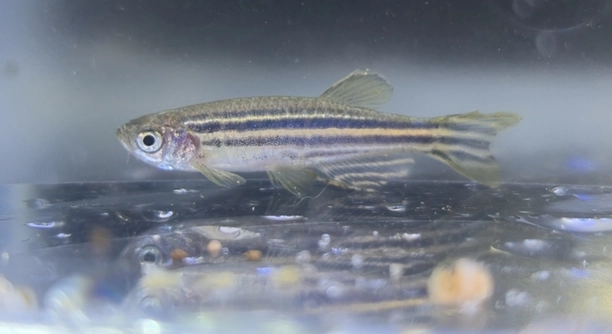
Do you ever find yourself watching your zebra danios swim around and wondering if they can tell who’s feeding them every day?
Zebra danios have shown the ability to recognize consistent caregivers through repeated interactions. Studies suggest they may associate specific humans with feeding and care routines, indicating a level of social learning and memory in these fish.
Exploring how these small fish respond to familiar faces helps us understand their behavior and improve how we care for them in home aquariums.
How Zebra Danios Respond to Routine Care
Zebra danios are small, active fish that quickly adapt to regular care and feeding patterns. When caregivers maintain a steady routine, these fish start showing up near the surface or in visible spots when it’s time to eat. This behavior is not random—it’s based on learned associations. Over time, zebra danios can link certain movements, times of day, or even the appearance of a person with feeding. Although their brains are small, they are capable of simple recognition and memory. Scientists have observed similar behavior in other types of fish, especially when consistent human interaction is involved. Some fish even show signs of excitement or increased swimming activity when their usual caregiver approaches the tank. These patterns indicate that zebra danios, while not capable of deep emotional bonds, can still notice and react to familiar stimuli. This makes daily care more meaningful, both for the fish and their keeper.
Their behavior shows how important consistency is when caring for aquarium fish.
Being around the tank at the same time each day helps zebra danios feel secure and recognize a pattern. If care and feeding are unpredictable, the fish may appear more stressed or less responsive. A reliable routine helps them feel more at ease.
Signs of Recognition in Zebra Danios
Zebra danios may swim to the front of the tank when they see a familiar person.
Repeated studies have shown that zebra danios can distinguish between consistent and unfamiliar handlers. In some lab settings, researchers have used visual cues to test whether fish could associate specific people with food. The results were clear: zebra danios are more active and responsive to those they’ve seen regularly. They react by swimming faster, grouping near the front glass, or even following movement along the tank. These aren’t just feeding cues—they can reflect a learned behavior built from repeated exposure. If a new person approaches, the fish are often more cautious or hesitant. Their reactions become more noticeable the longer the consistent caregiver is present in their lives. While these fish don’t form attachments the way mammals do, their recognition is based on patterns and memory. This makes regular care an important part of their mental and physical health.
How Environment Affects Their Recognition
A calm and steady environment helps zebra danios learn routines more easily. Loud noises, frequent tank changes, or inconsistent lighting can make them more nervous and less likely to respond to people, even familiar ones they usually recognize. Stability encourages predictable and trusting behavior.
Zebra danios rely on repetition to form habits, including recognizing the people around them. If their tank is constantly moved or if the environment changes too often, their ability to focus on human interaction is reduced. Proper lighting, steady water temperature, and a peaceful area free from constant foot traffic all help them feel comfortable. When they feel safe, their awareness sharpens, and they become more responsive to routine care. It becomes easier to observe signs of recognition, like group swimming at feeding times or following movement near the tank. Environmental consistency directly affects how connected they appear to be with their caregivers.
Inconsistent tank conditions may disrupt their normal behavior patterns, making it harder to notice any recognition at all. For example, sudden changes in temperature or strong lighting can stress the fish and lead them to hide more frequently. When their surroundings are unpredictable, zebra danios become more focused on staying safe than on interacting with what’s outside the tank.
Why Consistent Care Matters
Zebra danios show more confidence when they receive care from the same person every day. Familiar movements and voices help them link specific people with food and safety, reinforcing a simple but important form of recognition over time.
Feeding zebra danios regularly helps build trust and predictability. When care is consistent, the fish begin to anticipate the presence of their caregiver and react in ways that show attention and interest. Swimming toward the surface or staying visible at the front of the tank becomes part of their learned routine. Skipping feedings or changing caregivers too often can interrupt this connection. While they don’t bond emotionally like dogs or cats, zebra danios still respond to habits and patterns. A caregiver who sticks to a steady routine is more likely to notice positive behavior changes—like increased activity or visible excitement—each time they approach the tank. Over time, this helps the fish feel calm, alert, and engaged.
Observing Daily Behavior Changes
Zebra danios tend to swim with more energy and curiosity when they feel comfortable. If a familiar person is nearby, they might group together or swim near the glass, showing signs they expect something positive.
If someone unfamiliar approaches, they often scatter or stay near hiding spots. This contrast can help show how they respond to different people, especially when they’ve had consistent care from the same individual.
How Long It Takes for Recognition to Develop
It usually takes a few weeks of steady care for zebra danios to begin showing signs of recognition. Feeding them at the same time each day and using the same approach when near the tank helps create this connection. Visual cues, such as movement and hand gestures, become familiar over time. Some people notice that after a month of consistent interaction, the fish begin to follow them along the tank wall or come out from hiding more quickly. This pattern builds gradually, and skipping days can slow the process. The more predictable the care, the easier it is for these fish to learn and respond.
What This Means for Everyday Owners
Regular care not only keeps zebra danios healthy but also helps them feel safe. Their recognition may be simple, but it’s real and shaped by daily interaction.
FAQ
Can zebra danios actually recognize people?
Yes, zebra danios can recognize people who care for them consistently. They do this through learned behavior and routine. If the same person feeds them daily, they may associate that person with food and safety. Over time, they become more active and visible when that individual approaches. While they don’t form emotional bonds like dogs or cats, they do respond to repeated patterns and familiar sights. Their memory helps them link certain people to positive experiences, such as feeding. This is why they might swim to the front when they see a known caregiver but stay hidden with strangers.
How long does it take for a zebra danio to recognize someone?
It typically takes a few weeks of daily care for zebra danios to show signs of recognition. This means feeding them at the same time, moving slowly around the tank, and using the same approach every day. After two to four weeks, they may start swimming toward you or gathering near the surface when they see you approach. If care is inconsistent, it may take longer for them to build that connection. Regular interaction speeds up the process, while skipped feedings or sudden changes in behavior might cause confusion and delay recognition.
What behaviors show that they recognize someone?
Some common signs include swimming to the front of the tank, following your movement along the glass, rising toward the surface at feeding times, and staying out in the open when you’re near. These behaviors usually don’t happen with unfamiliar people. If a stranger walks by, the fish might stay hidden or act more cautiously. When zebra danios trust someone, they show it through relaxed swimming, visible excitement, and predictable responses to that person’s presence.
Can multiple people feed zebra danios and still build trust?
Yes, but it’s easier for them to recognize and respond to one or two people rather than many. If multiple people feed them, using the same feeding schedule and similar actions can help reduce confusion. The more predictable the routine, the better they respond. If everyone uses different times, approaches, or gestures, the fish may not form a strong link with any particular person. Keeping things consistent helps them feel more secure and more likely to recognize individual caregivers.
What happens if care is inconsistent?
Inconsistent care can make zebra danios feel uneasy. They might stop showing interest in people, hide more often, or swim erratically. They depend on routine to know when it’s safe to come out and eat. If feeding times vary or the person caring for them keeps changing, the fish may become stressed. Their behavior becomes harder to predict, and any signs of recognition may fade. To avoid this, try to keep a steady feeding schedule and approach the tank in a calm, familiar way.
Do zebra danios enjoy human interaction?
They don’t enjoy interaction the way some pets do, but they do respond to it in their own way. Zebra danios are curious and alert, and they can grow comfortable with people who interact with them regularly. They may swim toward a hand near the glass or watch movements outside the tank. While they don’t seek affection, they seem to enjoy routine and calm attention.
Can they recognize voices?
There’s limited research on fish and vocal recognition, especially for zebra danios. They’re more responsive to visual cues and vibrations. While some fish owners feel their fish react to their voices, this is likely because the fish have linked the sound with feeding time or movement. So, while they may not recognize a specific voice, they can learn to respond to patterns that involve sound.
Is it harmful to break their routine sometimes?
Occasional changes are okay, but frequent disruptions can affect their behavior. Skipping a feeding or having someone else care for them once in a while won’t cause harm. However, making a habit of it may stress the fish. They thrive on consistency, and regular changes can lead to hiding, reduced activity, or missed feedings. If you need someone else to care for them, giving clear instructions and sticking to the same feeding time and amount can help keep their routine stable.
How can I make it easier for them to recognize me?
Stick to the same feeding schedule, use calm and slow movements, and try to be the one who feeds them most of the time. Avoid loud noises or sudden changes around the tank. Standing in the same spot or using the same gentle gesture when feeding can also help. These habits allow the fish to associate your presence with positive, safe experiences. With time, they’ll become more active and visible when you’re nearby.
Final Thoughts
Zebra danios may be small, but their behavior shows that they are more aware than many people assume. Through repeated care and calm interaction, they learn to respond to those who care for them. This kind of recognition isn’t based on emotion the way it is with dogs or cats, but it’s still meaningful. Their reactions are shaped by routine, memory, and comfort. When the same person feeds them every day, they begin to connect that presence with safety and food. Over time, this connection becomes clear through simple behaviors like swimming near the front of the tank or staying visible when a known person is nearby. These small signs make it easier for fish keepers to understand how their zebra danios are feeling.
Caring for zebra danios with consistency doesn’t just help build this sense of recognition—it also supports their health. Fish that feel secure in their environment tend to be more active, eat better, and show more natural behavior. When tank conditions are stable and care is regular, zebra danios thrive. They swim more confidently, hide less often, and react in ways that suggest they are comfortable. On the other hand, frequent changes in their routine, loud environments, or multiple unfamiliar people can stress them. That stress may cause them to stay hidden or become less responsive. This is why keeping a regular care schedule and avoiding sudden changes around the tank can make a big difference in how they behave.
Understanding that zebra danios recognize consistent caregivers can make the experience of keeping them more rewarding. These small fish may not show affection in a direct way, but their learned responses can still feel personal. Watching them respond to your presence over time is a reminder that even the simplest routines can build trust. For those who care for zebra danios, taking the time to create a calm, predictable environment can lead to more active, curious fish. It’s not just about feeding and cleaning—it’s about helping them feel safe. And in return, you get to see them at their best. Whether you’re new to fishkeeping or have been doing it for years, paying attention to their daily behavior helps you connect with them in a quiet, meaningful way.

Hello,
If you enjoy the content that we create, please consider saying a "Thank You!" by leaving a tip.
Every little bit helps us continue crafting quality advice that supports the health, happiness, and well-being of pets around the world, for pets of all shapes, sizes, and species.
We really appreciate the kindness and support that you show us!