
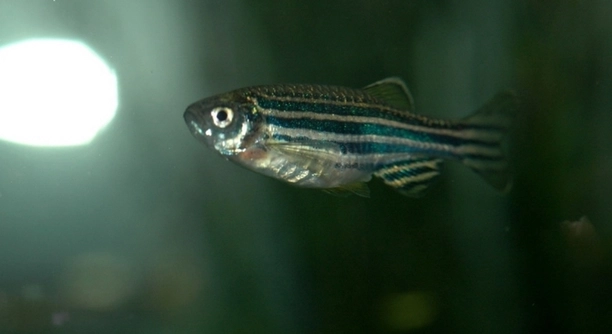
Zebra Danios are small, active fish often chosen for their bright stripes and playful behavior. These little creatures can also exhibit different moods that are not always easy to understand.
Zebra Danios display subtle differences in mood based on factors such as their environment, interactions with other fish, and health. These differences can range from calm and curious to energetic and slightly stressed, affecting their behavior in subtle ways.
Understanding these mood changes can improve how we care for them, ensuring their well-being and happiness. It’s important to recognize these signs and know what they mean for your fish.
Mood Indicator 1: Active and Playful Behavior
When Zebra Danios are in a good mood, they exhibit playful and energetic behavior. You’ll notice them darting around the tank, swimming in quick bursts, and exploring every corner. This active state is often seen when the fish are comfortable in their environment and not under stress. They may chase each other or interact with other tank mates, especially if they’re in a group. It’s their way of showing that they feel safe and secure.
A happy Zebra Danio will actively swim and show no signs of hesitation.
To encourage this playful behavior, make sure the tank is spacious and well-maintained. Clean water and the right temperature are crucial for their comfort. Also, providing hiding spots can help them feel secure, allowing them to express their playful side without the fear of being preyed upon. This type of behavior typically means the fish are thriving, and no immediate changes are needed to the environment.
Mood Indicator 2: Hiding or Slow Movements
Zebra Danios can become less active and start hiding when they are feeling stressed or unwell. When a Danio hides in a corner or swims slowly, it could indicate that something is off.
These fish tend to avoid swimming freely if they feel discomfort, whether from tank conditions, other fish, or illness.
If you notice your Zebra Danio behaving sluggishly, check for any changes in water temperature or water quality. Poor water conditions, like too high or low temperatures, can easily make these fish feel uncomfortable and cause them to retreat. Additionally, the presence of aggressive tank mates can make them stressed. This type of mood shift is usually a clear sign that action is needed. Regular water changes and proper tank setup are essential for maintaining a happy, healthy environment. The fish may return to their normal, active state once these issues are addressed.
Mood Indicator 3: Quick, Sharp Movements
When Zebra Danios are agitated or feel threatened, they make quick, sharp movements. This is often seen when they are startled or when there’s a sudden change in their environment. These fast movements are a sign of nervousness.
Quick, erratic swimming is the fish’s natural response to perceived danger. If they swim rapidly in short bursts, they may be trying to escape from something they view as a threat.
Such behavior can also indicate that something in the tank has unsettled them, like loud noises, unfamiliar objects, or new fish. To calm them down, you can adjust the tank setup to be more peaceful, with minimal disturbances. Providing a secure environment with plenty of hiding spaces helps them feel safe. Keeping stress levels low is key to restoring calm behavior in these active fish.
Mood Indicator 4: Color Changes
Zebra Danios are known for their vibrant stripes, but these colors can change based on their mood or health. If you notice their stripes fading or becoming brighter, it’s often tied to their emotional state or physical condition.
When stressed or frightened, their colors may become less vivid. This fading can also happen if they’re feeling unwell or adjusting to new conditions. Conversely, when they’re happy and content, their colors may appear brighter and more distinct.
Proper care, including maintaining water quality and temperature, can help keep their colors vivid. Stress and illness often lead to color changes, signaling a need for improvement in their tank environment. Monitoring these changes can help you identify potential issues early, allowing you to adjust their care and provide a healthier habitat.
Mood Indicator 5: Slow, Relaxed Swimming
When Zebra Danios are in a calm and relaxed state, they tend to swim slowly. This behavior is often seen when they’re enjoying their environment or when they’re alone and feel secure.
A slower pace indicates contentment and comfort. It’s a sign that the fish feel no immediate threats and can take their time exploring their tank.
If you notice this slow swimming, there’s usually no need to worry. It’s simply a sign that the Danio is at ease. However, if the slow movement becomes prolonged, it may signal other issues, such as water quality problems.
Mood Indicator 6: Aggressive Interactions
Zebra Danios may exhibit aggressive behavior, especially when they feel their territory is threatened. This aggression often shows up as chasing or nipping at other fish.
When two or more Danios are competing for space or mates, they may engage in aggressive interactions. This can include fin-nipping or rapid movements aimed at asserting dominance.
To prevent aggression, ensure there is enough space in the tank and provide hiding spots. Reducing overcrowding can help lower stress and avoid territorial disputes. Keeping only compatible tank mates also helps in minimizing conflicts.
FAQ
How can I tell if my Zebra Danio is stressed?
Stress in Zebra Danios can be spotted through various signs. If your fish is hiding more than usual, swimming erratically, or showing faded colors, these are indicators that something may be wrong. Stressed Danios may also engage in slower swimming or avoid interacting with tank mates. Keep an eye on their behavior and monitor changes in their environment, such as water quality or temperature. If these signs persist, it might be time to check for underlying causes like poor water conditions, overcrowding, or aggressive tank mates.
What should I do if my Zebra Danio isn’t eating?
If your Zebra Danio is not eating, there could be several reasons. Stress, water temperature, or illness can all lead to a loss of appetite. First, check the water conditions, ensuring it’s clean and at the right temperature. If everything seems fine, try feeding a different type of food to see if they show interest. Sometimes, a slight change in diet can get them back on track. If the lack of appetite continues, you may need to examine their behavior further to rule out any health issues.
Are Zebra Danios social fish?
Yes, Zebra Danios are highly social and thrive in groups. They are happiest when kept with other Danios, as they enjoy the company and can display their natural behaviors more freely. Keeping a group of at least 5 or 6 will encourage playful and social interactions. In contrast, solitary Danios may become stressed or show signs of depression. They are not overly aggressive and tend to get along well with peaceful species, making them a good addition to community tanks.
How do I improve the environment for my Zebra Danio?
To improve the environment for your Zebra Danio, maintain stable water conditions with the proper pH, temperature, and regular water changes. Danios prefer a tank with plants and hiding spots, so adding aquatic plants or decorations will help them feel secure. A filter is essential to keep the water clean, but make sure the current is not too strong, as Danios prefer calm waters. Regular maintenance of the tank setup will help prevent stress and promote healthier fish.
What are common health issues for Zebra Danios?
Zebra Danios can suffer from common fish diseases such as Ich (white spot disease), fin rot, or fungal infections. Symptoms to watch for include spots on their body, fins appearing frayed, or changes in their behavior, such as lethargy or difficulty swimming. Regular water changes, proper tank maintenance, and a balanced diet can help prevent health problems. If symptoms appear, it’s crucial to treat the tank promptly to avoid spreading illness to other fish.
Why are my Zebra Danios’ colors fading?
The fading of colors in Zebra Danios can be a sign of stress, poor water quality, or illness. Stress factors like aggression from tank mates or a change in the environment can cause them to lose their vibrant stripes. If the water quality is poor, the fish may feel unsafe, leading to a dull appearance. Ensure that the tank conditions are optimal, and check for any signs of aggression or territorial behavior from other fish. With proper care, their colors should return to normal once the stressor is removed.
How can I prevent aggression in Zebra Danios?
To prevent aggression in Zebra Danios, it’s important to provide a spacious tank with plenty of hiding spots. If you have multiple males, this may lead to territorial disputes, so keeping an appropriate male-to-female ratio can help reduce aggressive behavior. Additionally, make sure to add peaceful tank mates that do not compete for the same resources. Overcrowding is another factor that can increase aggression, so ensure your tank is not too crowded.
Can Zebra Danios live with other fish?
Zebra Danios are peaceful and can live with a variety of other fish, as long as the other species are not overly aggressive or territorial. They get along well with small, non-aggressive fish like tetras, guppies, and Corydoras. However, it’s important to avoid keeping them with large or aggressive fish that might see them as prey. Always research the temperaments of potential tank mates before introducing them to your Danio tank.
How often should I feed my Zebra Danios?
Zebra Danios should be fed small amounts of food 2-3 times a day. It’s best to offer a variety of food types, including flakes, pellets, and occasional live or frozen food. Make sure not to overfeed, as uneaten food can pollute the tank and lead to poor water quality. If they seem uninterested in their food, check the water conditions and make adjustments as needed. A consistent feeding schedule ensures they stay healthy and happy.
Why are my Zebra Danios swimming at the top of the tank?
Zebra Danios swimming at the top of the tank might be a sign of low oxygen levels in the water, or they could be hungry. Ensure the tank is well-ventilated, and the filter is working properly. Low oxygen levels are more common in tanks with heavy stocking, high temperatures, or insufficient water movement. If the behavior persists, test the water for any imbalances or signs of illness, and make necessary adjustments to keep the fish comfortable.
Final Thoughts
Zebra Danios are fascinating fish that offer both beauty and activity to any tank. By understanding their moods and behavior, you can create an environment that helps them thrive. Whether they are swimming energetically or showing calmness, each mood offers insight into their needs and well-being. Paying attention to their subtle changes in behavior, such as color shifts or slower swimming, allows you to address potential issues early and make the necessary adjustments in their care.
A balanced tank setup is crucial for keeping Zebra Danios happy. They need clean water, the right temperature, and enough space to swim freely. With the proper care, these fish will not only be active but also show their vibrant colors and lively nature. They are social creatures, so keeping them with others of their kind or peaceful tank mates encourages natural behaviors. Avoid overcrowding or introducing aggressive species that might cause stress. The happier they are, the more you’ll enjoy watching their playful antics.
By recognizing when your Zebra Danios are stressed or unwell, you can take steps to improve their environment and ensure they remain healthy. Small changes like adjusting water temperature, adding plants for hiding, or ensuring a varied diet can make a big difference in their behavior. Paying attention to the signs they give you, whether through their colors or actions, is the key to creating a thriving tank. With a little effort, you can enjoy watching your Zebra Danios express themselves in all their colorful moods.

Hello,
If you enjoy the content that we create, please consider saying a "Thank You!" by leaving a tip.
Every little bit helps us continue crafting quality advice that supports the health, happiness, and well-being of pets around the world, for pets of all shapes, sizes, and species.
We really appreciate the kindness and support that you show us!