
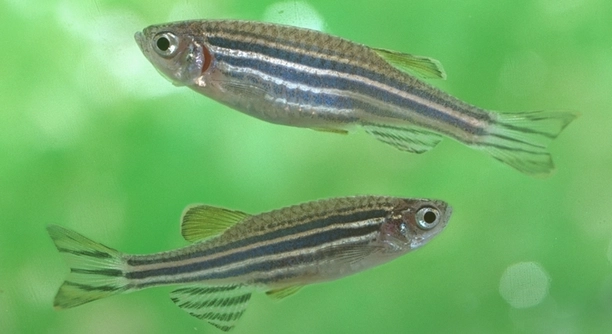
Have you ever walked past your aquarium and noticed your zebra danios swimming in sync with your movements across the room?
Zebra danios can notice patterns in human movement, responding to visual stimuli through learned behavior and environmental awareness. Their sensitivity to motion allows them to associate specific patterns with potential feeding times or perceived threats.
Understanding how zebra danios interpret movement helps deepen the connection between you and your fish. Let’s explore how their behavior reflects observation and adaptation.
How Zebra Danios React to Human Movement
Zebra danios are naturally active and responsive fish. Their behavior often changes when someone approaches the tank or moves near it. These small fish are visual learners, which means they can become accustomed to specific movement patterns around them. For example, if you regularly feed them at a certain time or from a certain direction, they may start to associate those movements with food. Over time, they react more quickly when they notice those same actions. This type of recognition is based on repetition and routine. It doesn’t mean they recognize individual people the way some pets might, but they do pay attention to what’s happening outside their tank. Movement from humans, especially if it’s sudden or unusual, may either attract their attention or cause them to dart away.
This behavior is linked to their natural instincts. In the wild, sudden movement might signal a threat, so they react quickly.
Regular human activity near the tank can influence how relaxed or alert they appear. If your actions are gentle and consistent, the fish are more likely to behave calmly around you. Rapid or erratic movement may cause stress, leading them to hide or become jumpy.
Why Patterns Matter to Danios
Zebra danios notice visual repetition and tend to respond faster when movement is predictable.
They are pattern-seeking by nature. In their native environments, survival depends on reacting to patterns in light, current, and predator movement. When kept in a tank, they use the same instincts to interpret what happens around them. If a human stands near the tank before feeding every morning, the danios may start swimming to the top when they see similar motion again. This is not about recognizing faces but about connecting visual routines to outcomes. Researchers have observed that danios respond differently to repeated human activity than to random or unfamiliar actions. These reactions suggest a level of learned behavior and environmental awareness. Recognizing movement patterns helps them feel more secure. It also reduces stress, as the fish can begin to predict what will happen next. By keeping interactions predictable, caretakers can help danios maintain a steady, calm behavior inside the tank.
How Consistency Shapes Behavior
Zebra danios feel more at ease when they can predict what will happen around them. Repetitive actions, like walking past the tank at the same time each day, help them build familiarity with your presence.
When your movements become part of their routine, zebra danios are more likely to swim openly and display less hiding behavior. Feeding them from the same side of the tank or using similar gestures can create a connection between certain patterns and expected results. This form of conditioning isn’t complicated—it’s simply about habit. The more predictable your actions, the more relaxed your fish become. They start to associate you with safety or food rather than viewing your movement as random or alarming. Over time, these patterns build trust. You may even notice the fish responding to the sound of footsteps or shadows as a cue that food is coming.
Fish thrive when they can predict their environment. If you shift feeding times constantly or make sudden changes to how you interact with the tank, danios can become stressed or overstimulated. Even routine tasks like cleaning the tank should follow a regular pattern when possible. This consistency offers them reassurance and helps prevent erratic swimming, hiding, or loss of appetite, all signs of stress.
What Sudden Movements Can Trigger
Zebra danios often interpret quick or loud movements as a possible threat. Even a hand reaching into the tank too fast can startle them and cause them to dart away or freeze.
Inconsistent motion near their tank can lead to ongoing stress. While a startled response may not seem like a big issue at first, frequent exposure to stress triggers may cause long-term changes in behavior. Danios might begin hiding more often or reacting strongly to even minor activity nearby. This limits their interaction with their environment and can affect feeding and rest. Avoid tapping on the glass, moving quickly near the tank, or creating vibrations by dragging objects around it. A calm and steady environment helps them remain confident. Reducing noise, using gentle hand gestures, and placing the tank in a quiet spot can make a noticeable difference in how danios respond and behave daily.
When Movement Becomes a Cue
Zebra danios quickly link repeated actions to feeding times. If you always walk up to the tank before feeding, they will begin to recognize that movement as a signal for food.
This kind of conditioning helps them prepare to eat and swim toward the top even before the food appears.
How Environment Plays a Role
The layout of the tank also affects how zebra danios respond to movement. Tanks placed in high-traffic areas expose the fish to more visual input, which can be stressful if unpredictable. If there’s constant motion nearby, it’s harder for them to feel calm. Decorations and plants inside the tank help create safe spaces. These hiding spots let danios retreat when startled, giving them a break from overstimulation. Lighting also matters—too much glare or sudden changes in brightness can confuse them. Keeping their environment steady and simple helps reduce unnecessary reactions to movement around the tank, making them feel safer overall.
Why Observation Matters
Watching how your zebra danios react to your presence helps you learn what makes them feel safe or stressed.
FAQ
Can zebra danios recognize individual humans?
Zebra danios do not recognize individual humans the way dogs or cats might. Their responses are based more on movement, light changes, and repeated actions. If you always feed them or interact with the tank in a specific way, they may react to those patterns. This is more about conditioning than personal recognition. They aren’t identifying your face or voice, but they are reacting to the behavior you repeat around them. That’s why they may swim up when they see someone approaching at a usual feeding time. It’s about routine, not identity.
Do zebra danios get stressed by people walking past their tank?
Yes, zebra danios can become stressed by too much activity near their tank. Constant motion, especially if it’s unpredictable, can make them feel unsafe. They may dart around, hide more often, or avoid eating. Placing their tank in a low-traffic area helps reduce overstimulation. If movement is regular and predictable, they may adjust over time. But if there’s a lot of sudden or loud activity, it could affect their behavior and health. Watch how they react to daily routines. If they seem skittish or hide frequently, consider moving their tank to a calmer space.
Do zebra danios actually notice patterns, or are they just reacting randomly?
They do notice patterns. Zebra danios can connect repeated movements or sounds with specific outcomes, like feeding. This isn’t random behavior—it’s learned through routine. For example, they may begin swimming toward the top when they see your shadow or hear a certain noise that happens before feeding. These responses develop over time and reflect their ability to associate certain cues with events. It shows a form of basic learning. Even though they don’t think about it the way people do, they respond consistently to familiar actions and rhythms in their environment.
Can sudden movement cause long-term stress in zebra danios?
Yes, repeated exposure to sudden movement or noise can lead to chronic stress. Signs include hiding, loss of appetite, or erratic swimming. If this continues, it can affect their immune system and general well-being. Zebra danios need a stable environment to thrive. Too many unpredictable changes can wear them down over time. Creating a calm space, limiting loud sounds, and handling maintenance gently all help reduce long-term stress. If you notice ongoing signs of fear, it’s worth checking how much noise or movement they’re exposed to daily.
Should I always feed zebra danios at the same time?
Feeding them at the same time each day creates consistency, which helps them feel secure. It also makes them more responsive and active during feeding. Sudden or irregular feeding times may confuse them and lead to over- or under-eating. Keeping a regular feeding schedule encourages healthy habits. It also reinforces the positive association they make with your presence. If they expect food around the same time, they’re more likely to approach the top of the tank when they see you. This is another way they respond to predictable patterns.
How do I know if my zebra danios are comfortable with my presence?
If your zebra danios swim openly when you’re near, stay near the top, and don’t dart away suddenly, it’s a good sign they feel comfortable. They may also start approaching when you walk up to the tank if they’ve learned to associate you with food or calm activity. On the other hand, hiding, erratic swimming, or staying in corners may signal discomfort. Pay attention to how they behave during feeding and when you move around the tank. Over time, their comfort with you should grow if your movements remain consistent and gentle.
Final Thoughts
Zebra danios are small, active fish that respond to the world around them in simple but meaningful ways. They may not recognize faces or voices, but they do notice patterns in movement and routine. When you walk up to their tank at the same time every day or move in a certain way before feeding, they begin to associate those actions with specific outcomes. Over time, these fish learn to respond to predictable cues, showing that they are more aware than they first appear. Their behavior is shaped by what happens in their environment and how often those events repeat.
The way zebra danios respond to movement is connected to their natural instincts. In the wild, sudden movement often signals danger, so it makes sense that they react quickly to changes near their tank. But when those movements follow a pattern—like a person walking up calmly before feeding—they learn that not all movement is a threat. With time and consistency, they may even swim toward the top in anticipation. This behavior is not just a coincidence; it shows how they adapt to their surroundings through experience. Their reactions may be simple, but they still reflect a form of learning.
Keeping zebra danios in a calm, steady environment helps them feel safe and behave naturally. Reducing sudden noise or movement near their tank, using soft lighting, and feeding them at regular times can all make a difference. Watching how they respond to your presence can also give you clues about their comfort levels. If they swim freely, approach you, and remain active, these are signs they feel at ease. If they hide or swim erratically, it may be time to adjust their surroundings. Understanding how zebra danios respond to patterns in movement can help you care for them more effectively and build a peaceful environment they can thrive in.

Hello,
If you enjoy the content that we create, please consider saying a "Thank You!" by leaving a tip.
Every little bit helps us continue crafting quality advice that supports the health, happiness, and well-being of pets around the world, for pets of all shapes, sizes, and species.
We really appreciate the kindness and support that you show us!