
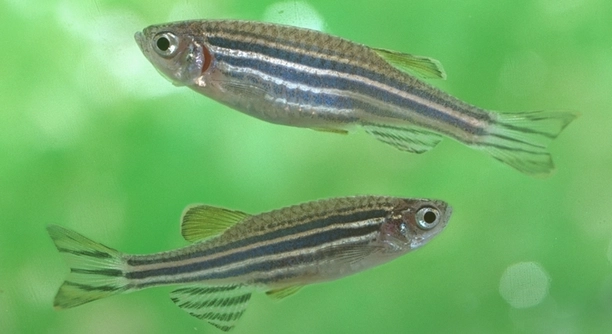
Do you ever notice your zebra danios hovering in place for hours and wonder if it’s something you should be concerned about?
Zebra danios often hover in place due to resting behavior, environmental factors, or health conditions. Stillness can be a natural part of their daily rhythm, especially during nighttime or in calm, low-stimulus tank conditions.
Learning what triggers this hovering behavior can help you better support their health and improve their overall tank environment.
What Hovering Might Actually Mean
Zebra danios are active swimmers, but it’s not unusual to find them hovering in place. This can simply be a moment of rest, especially during nighttime when their activity naturally slows down. These fish do not have eyelids, so rest happens with eyes open and minimal movement. Hovering near the surface, middle, or bottom of the tank can vary depending on their comfort and environment. A still posture doesn’t always signal distress, but it’s important to observe for other signs. If their colors remain vibrant and they’re responsive during feeding times, it’s likely normal behavior. However, if hovering is accompanied by labored breathing, clamped fins, or isolation from the group, that might indicate stress or illness. Tank conditions should always be reviewed, including temperature, water quality, and oxygen levels, as zebra danios are sensitive to changes. Even subtle shifts in their environment can cause them to behave differently for a while.
Sometimes they just need a break, especially after being active all day.
Stillness with no other symptoms is often nothing to worry about, especially if their appetite and color stay the same.
Environmental Factors to Check
A quick check of water parameters can rule out common triggers of unusual hovering.
Zebra danios thrive in clean, well-aerated tanks. Poor water quality is one of the most common reasons for behavioral changes. Make sure the temperature stays between 64–75°F and that ammonia, nitrite, and nitrate levels are within safe ranges. Consistent water changes and a reliable filtration system are important. These fish also enjoy some water flow. If the tank is too still, they might become less active. Lighting matters, too. A proper light-dark cycle helps maintain their natural rhythm, so avoid leaving tank lights on all day. Overcrowding or a lack of hiding spots can also increase stress. If new fish were recently added, this might temporarily disrupt the tank’s balance. Regular monitoring, maintaining a calm tank environment, and giving them space to move and rest will keep your zebra danios healthy and active most of the time.
Health Issues to Consider
Hovering may sometimes be linked to health concerns, especially when paired with other symptoms. Watch for signs like faded color, clamped fins, poor appetite, or unusual gill movement. These can point to an internal issue or early stages of disease.
Swim bladder disorder is one condition that can cause zebra danios to remain still or float oddly. This disorder affects their buoyancy, making it difficult to swim normally. Overfeeding or poor-quality food can contribute to this. A short fasting period followed by feeding cooked, skinned peas may help relieve the issue. If no improvement is seen, consider isolating the affected fish and seeking professional guidance. Other possible causes include internal parasites or bacterial infections, both of which require treatment with appropriate medication. Always quarantine new fish before adding them to your tank to reduce the risk of spreading illness to healthy fish already living in your aquarium.
Stress is another key factor behind hovering. It can be triggered by poor water quality, sudden changes, aggressive tank mates, or loud external noises. Over time, stress can weaken their immune system and make them more vulnerable to illness. If your danios are hovering and also showing signs of stress, address environmental triggers first. Improve their conditions gradually and consistently. Avoid making too many changes at once, as this can cause more harm than good. Monitor how they respond over a few days. If stress signs lessen and they return to swimming actively, it’s a good indication the environment was the main concern. Consistency and patience are important.
Normal Behavior Patterns
Zebra danios sometimes hover during nighttime or in the early morning when they are less active. This behavior is part of their rest cycle and usually happens in calm tank areas with minimal light or movement.
They may also hover briefly after eating or during calm moments. It’s their way of conserving energy between bursts of activity, especially in a peaceful tank environment.
When to Observe More Closely
If hovering lasts longer than usual and is paired with visible changes in color, appetite, or behavior, it’s worth paying closer attention. Sometimes the signs are subtle at first. A fish that usually swims constantly and suddenly becomes still may be reacting to stress or illness. Look at how the others behave as well. If only one fish is acting differently, isolating it for monitoring might be helpful. Try adjusting the tank lighting, double-checking the water temperature, and making sure they are not being bullied. If everything checks out but the behavior continues, it’s a good idea to consult a specialist or consider gentle treatment options based on symptoms. Acting early can help prevent more serious problems later.
Tank Adjustments That Help
Small changes like adjusting water flow or adding more hiding spots can ease stress and reduce hovering caused by discomfort. Keep things stable, and don’t overcrowd the tank.
Final Thoughts
Zebra danios are naturally active fish, but periods of stillness are not always a cause for concern. Hovering can be a normal part of their rest cycle, especially at night or in calm conditions. Some individuals may also take brief pauses during the day after eating or while adjusting to small changes in their environment. If the fish remains upright, breathes normally, and swims actively later on, this behavior can usually be considered normal. Every fish is different, and some may simply be more relaxed than others during certain times of the day.
That said, it’s important to watch for anything unusual. Long periods of hovering combined with other symptoms like loss of appetite, clamped fins, faded color, or strange swimming patterns may point to stress or illness. Conditions such as swim bladder issues, infections, or environmental stressors can all cause a fish to hover more than usual. Checking water quality regularly, providing a stable setup, and feeding a balanced diet can reduce the chances of problems. Quarantining new fish and avoiding sudden changes to the tank also help maintain overall health and reduce stress-related behaviors in the group.
Paying attention to how your zebra danios behave daily is one of the best ways to catch early signs of trouble. If something feels off, take small, careful steps to adjust the environment before resorting to medications. Many times, small improvements like stable lighting, quiet surroundings, or better food can make a noticeable difference. Hovering doesn’t always mean something is wrong, but it should always be understood in context with the fish’s usual behavior. With patience and consistent care, you can help ensure your zebra danios stay healthy, active, and comfortable in their tank.

Hello,
If you enjoy the content that we create, please consider saying a "Thank You!" by leaving a tip.
Every little bit helps us continue crafting quality advice that supports the health, happiness, and well-being of pets around the world, for pets of all shapes, sizes, and species.
We really appreciate the kindness and support that you show us!