
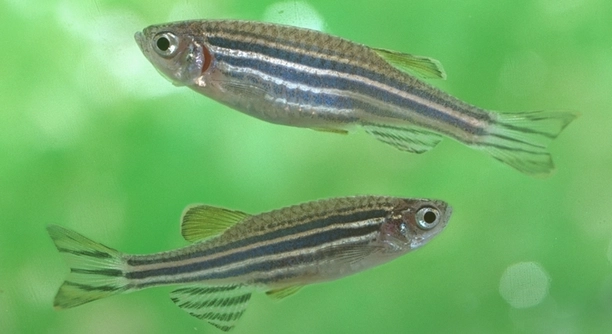
Zebra Danios are active and social fish commonly kept in aquariums. While they generally get along with others, some individuals may start to show dominant behavior. Identifying when a Zebra Danio is asserting its dominance can help you understand their social dynamics.
Zebra Danios exhibit dominant behavior through physical displays such as chasing, nipping, and establishing territories. These behaviors are typically directed toward weaker or smaller tank mates, with the dominant fish asserting its position in the group hierarchy.
Understanding these behaviors can help you better manage your aquarium and ensure all fish are thriving. Keep an eye on the signs of dominance to maintain a balanced tank environment.
Physical Aggression and Nipping
When a Zebra Danio becomes dominant, it may start showing aggression through chasing or nipping at other fish. This behavior can be particularly noticeable during feeding times or when the fish feels its territory is threatened. It will often dart toward other fish, aggressively nudging them or attempting to push them away from its preferred area. This behavior is an attempt to assert control over its space and ensure it has access to the best resources.
Physical aggression can also be linked to mating behavior. If a male Zebra Danio is trying to impress a female, he may chase other males away to gain her attention. In a crowded tank, this aggressive display is more likely to occur, especially if there’s competition for the same mates.
Although these actions may seem harsh, they are a normal part of their behavior in the wild. However, when it becomes excessive, it can lead to stress in other fish.
Territory Defense
Zebra Danios are known to defend areas of the tank they perceive as their own. They may guard plants, decorations, or spots where they frequently swim. This territorial behavior can lead to constant confrontation, especially in tanks that are too small or overcrowded.
When a dominant Zebra Danio asserts control over a specific area, other fish may be forced to move to less favorable locations, which can impact their overall well-being. Keeping the tank spacious and well-planted can help reduce this behavior and allow all fish to coexist peacefully.
A balanced environment with enough hiding spots can make a big difference in reducing territorial disputes. This ensures that each fish has a chance to establish its own space without constant conflict.
Aggressive Feeding Behavior
When a Zebra Danio is dominant, it may display aggressive feeding behavior. It will try to outcompete other fish by swimming quickly to the food source and chasing away smaller or less assertive tank mates. This can lead to other fish not getting enough to eat, especially if the tank is crowded or if there’s limited food.
This aggressive feeding style is common during meal times, especially when food is scattered throughout the tank. The dominant fish will often gulp down food quickly, not allowing other fish to feed comfortably. Over time, this can result in malnourishment for other fish, especially if they’re timid.
If you notice this behavior, consider adjusting the feeding process. You could use a separate feeding area or ensure the food is evenly distributed to allow all fish to get their fair share. Providing plenty of food for all can reduce conflict and promote healthier tank dynamics.
Displaying Dominance through Posture
Zebra Danios may also show dominance through body posture. A dominant fish will often swim with an upright posture, often hovering near the surface or mid-water. This posture is a visual signal to other fish, showing that it controls that part of the tank.
During these displays, the dominant Zebra Danio may puff up slightly or spread its fins to appear larger and more intimidating. This is a way of marking its space, warning others to stay away. You might also notice that the fish tends to remain in specific areas, asserting its claim over the space.
These postures are usually temporary and last until the fish feels secure. However, this behavior can become more frequent if the dominant fish continues to feel threatened or is trying to establish authority within the group.
Physical Size and Growth
The dominant Zebra Danio in a tank may grow larger than its tank mates. As it reaches a bigger size, it often becomes more assertive and pushes smaller fish out of its preferred spaces. Larger fish are naturally more dominant, and this size difference contributes to their higher status.
This size advantage allows the dominant Zebra Danio to claim more space and resources, such as food or hiding spots. When kept with smaller or similarly sized fish, the larger individual will often establish itself as the leader, claiming the best spots and food.
Increased Activity Levels
A dominant Zebra Danio typically exhibits increased activity levels compared to other fish in the tank. It will swim rapidly, often darting around the tank, as it moves between its territory and other areas. This high energy display signals authority and ensures other fish stay clear of its domain.
Active fish are often seen as dominant because they constantly patrol their environment. This behavior can also serve to intimidate other fish, showing that the Zebra Danio is in charge and will not tolerate intruders in its space.
Frequent Fin Display
A dominant Zebra Danio may also exhibit fin displays. The fish will often spread its fins wide, making itself appear larger to others. This is a common form of posturing, often used to signal strength and dominance over other tank mates. The spread fins serve as a warning sign.
Such fin displays are often accompanied by other territorial behaviors, like chasing or body posturing. When the Zebra Danio feels its position is challenged, it will use this visual cue to show off its strength and assert control. These signs are part of establishing social hierarchy.
FAQ
How can I tell if my Zebra Danio is being too aggressive?
If your Zebra Danio is being too aggressive, you’ll notice behaviors like chasing, nipping at other fish, and constantly trying to establish dominance. It may swim erratically, aggressively bump into tank mates, or patrol certain areas more frequently. These behaviors indicate it is asserting control over the tank. Watch for signs like hiding or retreating from other fish, as this can mean smaller fish are being bullied. If aggression becomes frequent, consider separating the more dominant Danio or adding more hiding spots to the tank.
Can aggressive behavior harm other fish in the tank?
Yes, excessive aggression can harm other fish. Dominant Zebra Danios may stress out more timid or smaller fish, leading to physical injury or poor health. Constant chasing and nipping can make other fish anxious, which may result in them becoming less active or even losing their appetite. If the aggression is severe, it can lead to the injured fish becoming weak or ill. Make sure your tank is spacious enough to avoid overcrowding, and provide plenty of hiding spots to give more timid fish some relief.
Is it normal for Zebra Danios to chase each other?
Yes, it’s normal for Zebra Danios to chase each other, especially when establishing dominance. This behavior is common among fish, and it helps them figure out their place in the social hierarchy. While it’s usually harmless, it can become problematic if it’s constant or leads to injuries. If you notice that one fish is always chasing others without a break, it could be a sign that the fish is becoming overly dominant. You can try adding more hiding spots or creating more territorial space to reduce the intensity of these chases.
How can I reduce aggression in my Zebra Danios?
To reduce aggression in Zebra Danios, ensure that your tank is well-planted with plenty of hiding spaces. This will give less dominant fish a chance to retreat and feel secure. Adding more fish can also help spread the aggression, as a larger group reduces the focus on one individual. Ensuring your tank is appropriately sized for the number of fish can prevent overcrowding, which can contribute to territorial disputes. Lastly, feeding your fish multiple times a day and ensuring they have access to enough food can help reduce competition and aggression.
Do Zebra Danios exhibit dominance over other species?
Zebra Danios can show dominance over other species, especially those that are smaller or less active. If you have a tank with other small or peaceful fish, you might see the Danios trying to establish control. However, they are generally peaceful and non-aggressive toward species that are similar in size and temperament. If the tank includes more aggressive species, Zebra Danios may avoid confrontation or simply assert their dominance through displays of body language and posturing. However, their level of aggression toward other species will depend on their individual personalities and the social structure in the tank.
Are Zebra Danios territorial with each other?
Yes, Zebra Danios can be territorial, especially when there is competition for space or food. They may establish a “home” area in the tank and defend it from other fish. This territorial behavior is most common in males, especially during breeding seasons, when they are more likely to claim areas to attract mates. However, if the tank is large enough and well-planted, these territorial disputes are often minimal. Adding multiple hiding spots and plants can allow the fish to have their own space and reduce territorial aggression.
How does tank size affect Zebra Danio aggression?
The size of your tank plays a significant role in how aggressive Zebra Danios behave. In smaller tanks, there is limited space for them to establish territories, leading to more competition and aggression. A larger tank allows the fish to spread out, giving them room to assert dominance without constantly clashing with other fish. A tank that is too small for the number of fish will lead to overcrowding, which can increase stress and aggression. To minimize this, ensure your tank is appropriately sized based on the number of Zebra Danios and other species you are keeping.
Can I keep multiple male Zebra Danios in the same tank?
Keeping multiple male Zebra Danios in the same tank is possible, but you may see them become more territorial and aggressive toward each other. Males will often compete for dominance and mates, leading to chasing and occasional nipping. If you have multiple males, providing enough hiding spots and territories can help reduce the tension between them. You may also want to increase the number of females in the tank to help balance out the competition. A well-maintained tank with plenty of space will help keep aggression to a minimum.
Should I separate dominant Zebra Danios from others?
If your Zebra Danio is consistently showing dominant or aggressive behavior that’s affecting other fish, it may be a good idea to separate them temporarily. Keeping a particularly dominant fish isolated for a while can give the other fish a chance to recover and reduce overall tank stress. However, in most cases, it’s better to address the cause of the aggression by adjusting the tank environment, adding more hiding spots, or adjusting the number of fish. If the behavior persists, consider keeping the dominant fish in a separate tank to prevent harm to others.
What are signs of stress in other fish from Zebra Danio dominance?
Fish stressed by a dominant Zebra Danio may display several signs, including hiding frequently, reduced activity, loss of appetite, or visible injuries from nipping. Some fish may become overly skittish or constantly swim in one area of the tank, avoiding other fish. Stress can weaken the immune system of the affected fish, making them more susceptible to diseases. If you notice these signs, it’s important to assess the behavior of the dominant Danio and adjust the tank setup to help reduce stress.
Final Thoughts
Zebra Danios are active and social fish that can bring energy to any tank. While they are generally peaceful, it’s important to recognize that certain behaviors, like dominance, can emerge. A dominant Zebra Danio often asserts itself through physical size, aggression, and territorial behaviors. Understanding these signs can help you manage your tank environment and ensure that all the fish coexist peacefully. If you notice one Danio becoming too dominant, it may lead to stress for other fish in the tank, which can affect their health and behavior.
To prevent or reduce dominance, providing plenty of hiding spots and creating separate territories can help reduce stress. In larger tanks, the fish are less likely to feel overcrowded, and they can spread out, making the aggression less of an issue. Adding more fish can also reduce the focus on one dominant individual, as the aggression is more likely to be distributed. It’s important to monitor the interactions between fish to ensure a harmonious environment. If needed, removing a particularly aggressive fish to a separate tank can prevent further harm to others.
Ultimately, Zebra Danios are great additions to most community tanks, as long as their behaviors are managed. By understanding the signs of dominance and aggression, you can ensure that all fish in your tank are healthy and happy. Maintaining a proper tank setup with adequate space, hiding spots, and balanced fish populations is the key to preventing excessive aggression. When cared for properly, Zebra Danios can thrive, adding a lively and dynamic atmosphere to your aquarium.

Hello,
If you enjoy the content that we create, please consider saying a "Thank You!" by leaving a tip.
Every little bit helps us continue crafting quality advice that supports the health, happiness, and well-being of pets around the world, for pets of all shapes, sizes, and species.
We really appreciate the kindness and support that you show us!