
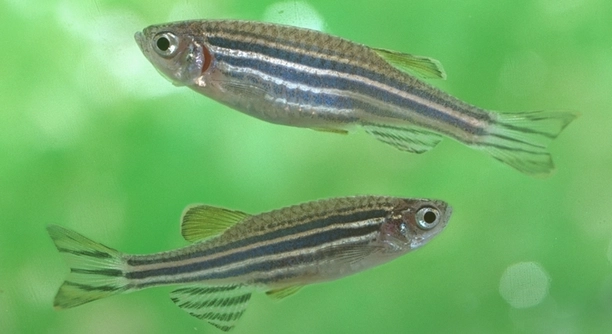
Have you ever noticed your zebra danios acting differently after losing a tankmate and wondered how you can help them feel better again?
The best way to help zebra danios after losing a tankmate is by maintaining a calm environment, adding new companions gradually, and ensuring stable water conditions. This reduces stress and helps them adjust more comfortably to the change.
Helping them recover emotionally and physically takes time, but each small step supports their health. Let’s look at what you can do next.
Understanding Zebra Danio Behavior After a Loss
Zebra danios are social fish that thrive in groups. When one dies, the others can experience stress and behave differently. You may notice them swimming less, hiding more, or chasing each other unusually. These changes are often temporary, but they do show that zebra danios can be sensitive to disruptions in their environment. Their active nature makes them appear resilient, but sudden changes, especially the loss of a tankmate, can affect them in ways that are easy to overlook. To help them return to normal behavior, it’s important to support their needs consistently and avoid making too many changes at once. Avoid tapping on the tank or adding new fish right away. Instead, observe how they act and make small improvements to their surroundings if needed. Their environment should remain peaceful, with gentle lighting and minimal disruption to their daily routine.
Zebra danios can appear more anxious or restless when their group dynamic changes. This is a normal reaction.
Give them time to adjust and keep the tank conditions steady. Maintaining a peaceful setup helps reduce unnecessary stress. Their natural behavior should return as they begin to feel more secure again.
Creating a Stable Environment for Recovery
Zebra danios feel safer in a group and rely on familiar surroundings to stay calm. Keeping the tank setup consistent during this time is essential.
Avoid rearranging decorations or adding too many new features when a danio has passed. Keeping the tank layout familiar helps reduce confusion. Make sure the water temperature stays between 64–75°F and that the filtration system is running properly. Clean the tank regularly, but avoid deep cleaning or changing all the water at once. Feed your zebra danios at the same time each day, and use high-quality flakes or pellets. It also helps to keep the lights on a predictable schedule to match their natural rhythm. If you plan to introduce new fish, wait at least one to two weeks and do so gradually. Adding two or more danios at once may help restore group balance, but always monitor how the others respond. Their reactions will tell you if they are ready.
Supporting Their Social Needs
Zebra danios are shoaling fish and prefer to live in groups of at least five or six. Being alone or in too small of a group can increase stress.
After losing a tankmate, consider the current group size. If it’s dropped below five, the remaining danios might feel insecure. Adding new companions can help restore their sense of safety, but do it gradually. Quarantine any new fish before adding them to avoid disease. Observe how the group interacts after the addition. If aggression or chasing increases, it could mean the new balance is still settling. Keep the tank calm and reduce outside stressors like loud sounds or sudden lighting changes. Maintaining group harmony is key to helping your zebra danios regain confidence. When their social needs are met, they usually return to active, curious behavior within a few days or weeks.
Zebra danios show social stress in subtle ways. Watch for fin nipping or unusual swimming patterns. These signs can mean they feel insecure or overwhelmed. Keeping a proper group size, minimizing tank changes, and allowing time for adjustment can ease their stress. A healthy, social setup helps support their emotional well-being during recovery.
Keeping Up With Water Quality
Stable water quality is one of the most important factors in supporting zebra danios after a loss. Changes in their environment can make them more sensitive to water fluctuations.
Check water parameters regularly—ammonia should be zero, nitrite should also be zero, and nitrate should stay under 40 ppm. Perform small, consistent water changes every week, around 20–25%. Avoid cleaning the entire tank at once, as that can disrupt the beneficial bacteria in the filter. Test kits are helpful for staying on top of any shifts, especially when your fish are already stressed. If the filter has not been cleaned in a while, rinse it gently in tank water instead of tap water to keep the balance. Stable temperature and pH also help support recovery. Using a heater and thermometer keeps conditions steady. Clean equipment and avoid overfeeding, which can cause water spikes. A clean tank gives zebra danios the best chance to recover calmly.
Monitoring for Signs of Illness
After losing a tankmate, stress can make zebra danios more vulnerable to illness. Watch for signs like clamped fins, labored breathing, or faded color. These changes may point to something more serious than grief.
Quarantine any fish showing symptoms and check water conditions immediately. A stable, clean tank supports faster recovery.
Choosing the Right Time to Add New Fish
Wait until the remaining danios appear active, stable, and are eating well before introducing new tankmates. If they’re still hiding or acting restless, it’s better to hold off. Rushing the process may increase stress for both the old and new fish. When ready, add new danios in pairs or small groups to avoid drawing attention to one individual. Use a slow acclimation process, allowing the new fish to adjust to the tank water gradually. Watch the group closely for the first 48 hours. Mild chasing can happen, but it should settle. If aggression continues, reevaluate the group size or setup.
Maintaining a Quiet Environment
Reduce outside disturbances during this period. Keep lights on a steady schedule and avoid moving decorations or tapping on the tank glass. A calm environment helps zebra danios feel safe and supports smoother adjustment.
FAQ
What should I do if my zebra danio is not eating after losing a tankmate?
If your zebra danio is not eating, it could be a sign of stress. Offer a variety of foods, such as high-quality flakes, live or frozen foods like brine shrimp, and bloodworms. If the water quality is ideal and they still won’t eat, it’s important to give them time. Stress can affect their appetite. Ensure they have a peaceful, stable environment and check for any signs of illness. It may take a few days for them to regain their normal eating habits. If the issue persists for more than a week, consider consulting an aquarium expert.
How long will it take for zebra danios to adjust after losing a tankmate?
The adjustment period can vary depending on the individual danios and the environment. Typically, it may take anywhere from a few days to a couple of weeks for them to fully adjust. During this time, maintaining a stable, calm tank environment is crucial. If the danios are socializing again and eating well, they are likely adjusting. Patience is key, and they should return to their normal behavior once they feel safe and secure again.
Is it okay to add new fish right away?
It’s generally better to wait a few days or even weeks before introducing new fish. Adding new tankmates immediately can increase stress for the remaining danios. Allow them time to calm down and readjust. It’s essential to assess their behavior first. If they seem more comfortable and active, then gradually add new fish. This way, they can get used to the idea of a new group dynamic without feeling overwhelmed.
How can I tell if my zebra danio is stressed?
Zebra danios show stress through subtle behaviors such as hiding, lethargy, or erratic swimming patterns. They may also become more aggressive, chase other fish, or display clamped fins. Stress can lead to a loss of appetite and fading colors. If your danio is showing these signs, it’s essential to check water quality, avoid making sudden changes to the tank, and ensure there are no signs of illness. Giving them time and keeping the environment calm can help alleviate stress.
Can zebra danios get sick after losing a tankmate?
Yes, zebra danios can become more vulnerable to illness due to the stress of losing a tankmate. Stress weakens their immune system, making them susceptible to common fish diseases like ich or fin rot. Keep an eye out for changes in their behavior, such as unusual swimming patterns or physical signs like lesions or white spots on their body. A clean, stable environment with proper water conditions can help prevent illness, but if symptoms appear, consider consulting a vet or experienced aquarist.
How do I maintain the right water conditions after a fish loss?
Maintaining the right water conditions is always important, especially after losing a tankmate. Check ammonia, nitrite, and nitrate levels regularly. Keep the temperature stable between 64–75°F and make sure the pH is within the recommended range for zebra danios (6.5-7.5). Do regular water changes, about 20–25% each week, to maintain water quality. Avoid drastic changes, as they can add stress to the remaining fish. If you notice any spikes in ammonia or nitrite, perform an immediate water change to correct the imbalance.
Should I remove decorations or plants when a danio dies?
It’s best not to remove decorations or plants immediately unless they are affecting the water quality. Zebra danios are familiar with their environment, and removing these items can further stress them. Instead, focus on maintaining good water quality and a peaceful environment. If the tank is cluttered, gently rearrange the items or add new ones after a few days, but always do so gradually to avoid causing additional stress.
How can I help zebra danios cope with the loss of a tankmate?
Helping zebra danios cope involves providing a stable and stress-free environment. Keep the water conditions optimal and maintain a regular feeding schedule. Avoid making sudden changes to the tank, like adding new fish or changing decorations too quickly. If possible, add a few more danios gradually to restore the group dynamic. This can help the remaining fish feel safer and less stressed. Also, avoid tapping on the glass or disturbing the tank, as this can add to their anxiety.
What is the best way to introduce new fish to zebra danios after a loss?
When introducing new fish, take your time. Gradually add the new fish to the tank after the danios have shown signs of stabilizing. Quarantine new fish for a few days to ensure they are disease-free before introducing them. Use a drip acclimation method to avoid shock from sudden changes in water parameters. Start with a small group, ideally two or three new fish, and monitor the interactions closely. Some mild chasing is normal, but if aggression continues, reconsider the tank setup. Keep the tank environment calm during this process to reduce stress.
Is it safe to keep zebra danios with other types of fish after a loss?
Yes, zebra danios are generally peaceful and can be kept with other non-aggressive species. However, it’s important to wait until they are feeling more secure before adding new tankmates. Choose fish that are similar in size and temperament to avoid stressing the zebra danios. Avoid aggressive species that might cause more tension. Once the remaining danios have adjusted to the loss, introducing peaceful fish like guppies or tetras can help them feel more comfortable in the group again. Keep an eye on the dynamics between the fish.
Final Thoughts
Losing a tankmate can be tough for zebra danios, as they are social fish that rely on the presence of others for comfort. It’s natural for them to feel some stress after such an event. However, by paying attention to their behavior and maintaining a calm, stable environment, you can help them adjust. Giving them time to grieve and recover is important. You can help them through the process by being patient and providing a space where they feel secure.
Water quality is one of the most important factors in supporting your danios after a loss. Stress can make them more vulnerable to illness, so keeping the tank clean and ensuring the water parameters are stable is key. Regular water changes, monitoring temperature and pH levels, and checking ammonia and nitrite levels can all help maintain a healthy environment. Consistency in the tank’s conditions can make a big difference in how quickly the danios recover and how they adjust to the new situation.
When the time feels right, you can consider introducing new fish, but it’s important to wait until the remaining danios are active and stable. Adding new fish too soon can add unnecessary stress to an already challenging situation. Take your time and monitor the tank dynamics closely. With care and attention, your zebra danios will bounce back, and you’ll help them find their way back to a peaceful and active state.

Hello,
If you enjoy the content that we create, please consider saying a "Thank You!" by leaving a tip.
Every little bit helps us continue crafting quality advice that supports the health, happiness, and well-being of pets around the world, for pets of all shapes, sizes, and species.
We really appreciate the kindness and support that you show us!