
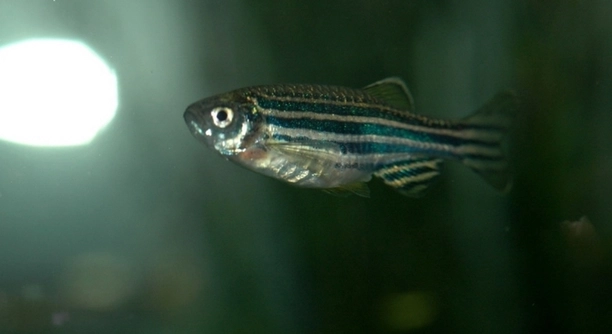
Have you ever made changes to your zebra danio tank, only to notice your fish acting differently or becoming less active? Small adjustments meant to improve the environment can sometimes have unintended consequences.
Certain tank changes can disrupt the delicate balance zebra danios rely on, leading to stress, health issues, and even aggression. Understanding which alterations may backfire is essential for maintaining a stable and healthy aquatic environment.
Recognizing the impact of these changes can help you avoid common mistakes and support your zebra danios’ overall well-being in the long run.
Overcrowding the Tank
Zebra danios are active fish that need plenty of space to swim. When too many fish are added to the tank, it can lead to poor water quality, increased stress, and heightened aggression. Overcrowding makes it harder for each fish to establish territory, which can cause fighting or chasing behavior. Even though zebra danios are social, they still need enough room to swim freely. If your tank is too small, adding more fish will only create a cramped and unstable environment. This can lower their immune system and make them more vulnerable to illness. Always consider the tank size and stick to appropriate stocking limits. A general rule is to allow one gallon of water per inch of fish. While this may seem basic, it’s a simple way to maintain a healthy tank environment. Keeping your zebra danios comfortable means giving them the space they need to live well.
Too many fish in one tank reduces swimming space, raises ammonia levels, and encourages aggressive behavior. Stress from overcrowding also weakens the immune system, increasing the chance of disease.
Make sure you’re planning for adult sizes and the full number of fish. Overstocking young fish can quickly become a problem. Regularly test water parameters, and look for changes in behavior. If your fish are constantly chasing or hiding, that can be a sign of stress. Adding plants and hiding spaces can help ease tension, but they won’t fix the core issue. Upgrade to a larger tank if needed. It’s better to reduce the number of fish than risk harming all of them. Zebra danios thrive when the tank is stable, spacious, and clean. They show brighter colors and are more active when they are comfortable. Keeping stocking levels balanced is one of the easiest ways to prevent long-term issues.
Sudden Temperature Changes
Temperature fluctuations, even small ones, can be stressful for zebra danios. Sudden drops or spikes can cause lethargy or erratic swimming.
Zebra danios are known for their hardiness, but rapid temperature shifts can still have serious effects. A stable temperature helps their immune systems stay strong and supports their activity levels. Without it, they may become sluggish or start darting unpredictably. These behaviors are signs of discomfort and should not be ignored. Using a reliable heater and thermometer helps prevent these problems. Avoid placing your tank near windows or vents, where environmental temperature changes happen quickly. Also, take care when doing water changes. If new water is too warm or too cold, it can create sudden shock. Make sure replacement water is as close as possible to the tank’s current temperature. Over time, stable conditions lead to stronger, more active fish. Zebra danios are more energetic and display better color when the temperature stays steady.
Changing the Filtration System Too Quickly
Switching out your filtration system too fast can cause a drop in beneficial bacteria. This bacteria is needed to keep ammonia and nitrite levels in check, and losing it can stress your zebra danios or make them sick.
When a filter is replaced without giving the new one time to develop beneficial bacteria, it disrupts the tank’s balance. This bacteria breaks down waste and helps prevent ammonia spikes. Instead of switching filters all at once, run the new filter alongside the old one for a few weeks. This allows bacteria to transfer and grow. If the old filter media is still in good condition, placing it in the new filter can also help. A sudden change in filtration can cause a chain reaction of problems in the water quality, especially in smaller tanks. It’s a small step, but taking time during this transition protects your fish from unnecessary stress.
Avoid cleaning the filter media with untreated tap water, as chlorine can kill beneficial bacteria. Use tank water instead when rinsing out sponges or cartridges. This helps preserve the bacterial colonies that are keeping your water safe. If your zebra danios seem more skittish, check your water parameters right away. Something as simple as an uncycled filter can lead to increased ammonia, which will harm them over time. Their health depends on stable conditions, and filtration plays a big role in that. Don’t rush the process. Keeping your system mature and balanced is one of the best ways to avoid long-term damage.
Removing Too Many Plants at Once
Plants offer more than decoration. They give your zebra danios a sense of safety, reduce stress, and help stabilize water conditions. Removing too many at once can make your fish anxious and impact the tank’s ecosystem.
Sudden plant removal takes away natural hiding spaces that help fish feel secure. Zebra danios tend to swim throughout the tank, but they still benefit from visual barriers and shaded areas. Without plants, they may feel exposed and start to behave differently—chasing each other more or staying still in one spot. Plants also absorb nitrates and improve oxygen exchange, which supports healthier water conditions. Pulling too many at once can lead to chemical imbalances. If you need to remove plants, do it slowly over time. Replace them gradually or leave some temporary décor behind while new plants establish. Making changes this way prevents the fish from feeling unsettled or stressed.
Switching to a Bare-Bottom Tank
Removing substrate can make cleaning easier, but it also removes a natural buffer that supports healthy bacteria. Zebra danios may also become more nervous without the visual grounding substrate provides, leading to restless or shy behavior.
A bare-bottom tank reflects more light, which can make the fish feel exposed. This change may increase their stress levels and cause erratic swimming or hiding.
Drastically Changing the Lighting
Changing the lighting setup too quickly can overstimulate zebra danios or throw off their day-night rhythm. If the lighting is suddenly too bright or too dim, it can cause confusion, anxiety, or sluggish movement. These changes are often misread as illness. When switching to new lights or adjusting brightness, make changes slowly. Gradually shift the light levels or add floating plants to help soften brightness. Also, avoid flickering or overly intense lights, especially in tanks without much plant cover. A consistent light schedule helps your fish stay active during the day and rest at night. Sudden lighting changes disrupt this cycle.
Using Strong Water Flow
Zebra danios enjoy movement, but strong currents can overwhelm them. If the flow is too powerful, it may exhaust them or force them into corners.
FAQ
Can zebra danios adapt to tank changes easily?
Zebra danios are generally hardy fish, but they still respond to sudden changes in their environment. While they can tolerate small shifts, making too many changes at once can overwhelm them. This can lead to stress, reduced immunity, or strange behaviors. If you do need to make adjustments, it’s best to space them out and watch your fish closely. Give them time to settle between each change so they don’t become overstimulated or sick. Even though they’re resilient, they still depend on stable surroundings to stay active and healthy.
What signs of stress should I look for after changing the tank?
Common signs include darting around, hiding more than usual, loss of appetite, pale colors, or staying near the surface. Some may even start chasing tankmates more than normal. These behaviors usually show up within a day or two after a change. If you notice them, check your water parameters first. Even a small ammonia or nitrite spike can trigger stress. If parameters are fine, give your fish time to adjust and avoid making more changes too soon. A calm and consistent setup often helps them return to normal quickly.
Do zebra danios need a lot of plants?
They don’t require a planted tank to survive, but plants can make a big difference in their well-being. Plants provide hiding spots, reduce open space anxiety, and help keep the tank balanced by absorbing extra nutrients. Floating plants are especially helpful because they break up bright lighting. If you don’t want live plants, silk alternatives can still offer benefits. The key is giving your zebra danios some coverage and structure in the tank so they feel secure. A completely open space might stress them, even if the water quality is fine.
Is it safe to add new decorations all at once?
Not always. While decorations seem harmless, changing too much of the layout at once can confuse your zebra danios. These fish get used to their surroundings and often establish favorite spots to swim or rest. Rearranging everything can cause temporary disorientation or stress. If you want to add new items, do it gradually. Place one or two decorations at a time and give the fish a few days to adjust. Watching their behavior after each update can help you spot any signs that they’re uncomfortable or unsettled.
How much current is too much for zebra danios?
Zebra danios enjoy swimming in mild current because they are active swimmers, but there’s a limit. If the water flow is so strong that it constantly pushes them around or prevents them from resting, it’s too much. You might notice them avoiding certain areas or sticking to calmer zones. In that case, try adjusting the filter output or adding decorations to block some of the flow. A steady but gentle current usually keeps them engaged without tiring them out. Balance is key to keeping them active and comfortable.
Can changing lighting times affect their behavior?
Yes, zebra danios follow a daily rhythm that’s influenced by the lighting schedule. Changing light times suddenly or leaving the tank light on too long can confuse them. They might stop being active during the day or swim aimlessly. Too much light can also increase stress and cause algae growth. A consistent light cycle—around 8 to 10 hours per day—is ideal. Using a timer helps keep things regular, especially if your daily routine varies. Try to make any changes to the schedule slowly to avoid disrupting their natural behavior.
How long should I wait between tank changes?
It depends on what kind of change you’re making, but giving your zebra danios at least a few days between updates is a good rule. For bigger changes, like switching filters or removing many plants, wait a week or more if possible. Watch how the fish behave in the meantime. If they seem calm and healthy, it’s usually safe to move forward. Spacing things out reduces stress and gives beneficial bacteria time to adapt. This slower pace can help avoid ammonia spikes or other issues that show up after sudden shifts.
Final Thoughts
Making changes to your zebra danio tank can seem like a good way to improve their environment, but some updates can cause more harm than good. These fish are tough and active, but they still rely on stable conditions to stay healthy. Sudden shifts in lighting, decorations, or filtration can create stress or even health problems. Even changes that seem small—like swapping gravel for bare glass or switching food—can affect how your fish behave. Paying attention to their reactions after each change can help you avoid long-term issues.
It’s important to move slowly when updating their tank. Give your zebra danios time to adjust to one change before moving on to the next. This reduces their stress and also gives the tank time to rebalance. Try to keep the water parameters steady, and avoid disrupting the good bacteria in your filter or substrate. Watch for signs that your fish are feeling uncomfortable, like hiding, darting, or not eating. These signs can tell you when something needs to be fixed. In most cases, staying consistent is better than making frequent updates.
The best approach is to create a simple, comfortable space and stick with it. Plants, a soft light schedule, and moderate flow usually keep zebra danios active and happy. Try not to overthink every detail, and focus on what helps them thrive day to day. A tank that looks clean and quiet to you might still feel chaotic to them if too many changes happen at once. By observing your fish and learning their normal behavior, you can quickly notice when something feels off. With patience and a steady hand, you’ll give them a space where they can swim, explore, and stay healthy over time.

Hello,
If you enjoy the content that we create, please consider saying a "Thank You!" by leaving a tip.
Every little bit helps us continue crafting quality advice that supports the health, happiness, and well-being of pets around the world, for pets of all shapes, sizes, and species.
We really appreciate the kindness and support that you show us!