
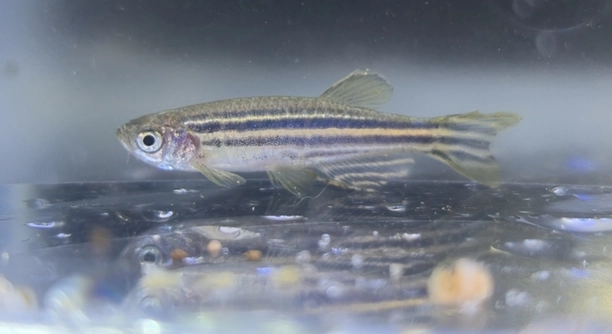
Do your zebra danios often hang out just below the filter output, making you wonder if something might be off in the tank?
Zebra danios tend to stay below the filter output due to strong water currents, which can be stressful or tiring for them. They seek calmer areas where they can rest comfortably without constantly swimming against the flow.
Understanding this behavior can help you adjust the water flow and improve your zebra danios’ comfort and overall tank environment.
Understanding Zebra Danio Behavior Near the Filter
Zebra danios are active fish that typically enjoy swimming in the upper and middle levels of the tank. However, if you notice them consistently staying just below the filter output, it could be due to the strength of the current. These fish prefer some movement in the water, but too much flow can wear them out. When the current is too strong, they will naturally seek calmer zones to rest. This isn’t always a sign of illness, but it can affect their comfort over time. Keep an eye on whether they appear to be struggling or simply hanging in a quieter area. If other fish in the tank are also avoiding the flow, the water output might be too forceful. A small adjustment to the filter angle or adding plants or decorations to break the flow can make a noticeable difference in their activity and stress levels.
Zebra danios instinctively avoid strong water movement that tires them out. Constant swimming against the flow isn’t ideal for their health or comfort.
Calmer tank zones allow zebra danios to relax and conserve energy. When the current is too strong, it interrupts their normal behavior and makes them less likely to explore. Keeping the current moderate supports their natural activity and social habits.
Adjusting the Filter Output
Too much water movement can be stressful, so adjusting the flow is a simple way to improve your fish’s experience.
If your filter is creating a powerful stream, try positioning it toward the glass or using a sponge to diffuse the current. This creates more gentle circulation and helps reduce dead spots without overwhelming the fish. Placing tall decorations or broad-leafed plants near the filter output also breaks up the flow, creating pockets of still water for your zebra danios to enjoy. If you’re using a hang-on-back filter, you can lower the water level slightly to reduce the waterfall effect. For sponge filters or air-driven setups, adjusting the air pump output can help. Every tank is different, and even small changes can affect how comfortable your fish feel. Observing how your danios react after each adjustment is a good way to fine-tune the setup. A balanced water current helps support healthy swimming patterns, social interaction, and overall tank harmony.
Creating a More Comfortable Environment
A calm tank environment helps your zebra danios feel safe. If the water flow is too aggressive, they may stay hidden or inactive. Reducing filter pressure can support their natural behavior and make the tank more balanced.
Add decorations like driftwood, smooth rocks, or tall artificial plants to break up the water flow and create more sheltered areas. These additions help scatter the current and give your danios places to rest without being constantly pushed around. If your filter has adjustable flow settings, start by lowering it and watching their response. Some fish thrive with gentle movement, while others prefer slightly stronger currents. Observing their activity level can guide how much to adjust. Keeping the tank lighting soft and avoiding loud noises around the aquarium can also help reduce stress. With time, your zebra danios will likely become more active and start using more areas of the tank again.
Consistency in tank maintenance also plays a big role in comfort. Regular water changes, stable temperature, and good filtration keep the environment healthy. A clean tank means less buildup and fewer disruptions to the water quality, which keeps the fish from becoming too stressed. If your zebra danios seem withdrawn, check ammonia and nitrate levels just in case. Even small imbalances can cause changes in behavior. You might also want to check the surface agitation. If the water is too turbulent, oxygen levels may fluctuate. A quiet area with steady oxygen and clean water is often enough to help them feel at ease again. A peaceful environment supports their active nature.
Observing for Other Behavioral Signs
Sometimes staying below the filter isn’t just about water flow—it could be one of several subtle signs that something’s off in the tank. Watching for additional behavior can give you a better idea of what’s really going on.
If your zebra danios are sluggish, not eating, or hiding more often than usual, it may be time to check other tank conditions. Monitor water parameters first—pH, ammonia, nitrite, and nitrate should all be within safe ranges. Check the tank temperature, too, as zebra danios thrive in water between 72°F and 78°F. Look at the other fish—are they acting differently as well? Stress or illness in one fish can affect the group’s behavior. External signs like torn fins, faded color, or erratic swimming should not be ignored. The sooner you catch unusual behavior patterns, the easier it is to fix the issue before it becomes more serious. Consistent observation makes all the difference in keeping your zebra danios happy.
Considering Tank Mates and Space
Overcrowding can cause stress and lead zebra danios to seek out quieter spots like below the filter. A busy tank with too many active fish may overwhelm them, especially if space is limited or poorly arranged.
Territorial or aggressive tank mates may also push them away from preferred areas. Even peaceful fish can crowd the upper zones, leaving danios with fewer comfortable options. Rearranging decorations or increasing space can help balance activity levels.
Checking for Health-Related Causes
If your zebra danios consistently stay low and seem inactive, health issues could be the reason. Internal parasites, poor water quality, or weakened immune systems might cause them to avoid stronger currents. Look for symptoms like clamped fins, labored breathing, or sudden changes in swimming. Quarantining affected fish can help with treatment and prevent spreading illness. Even if no symptoms are visible, consider testing your water and performing a small water change. Subtle shifts in their behavior are often the first sign something’s wrong. Staying below the filter isn’t always alarming, but when paired with health changes, it deserves quick attention.
Watching Their Activity Patterns
Zebra danios are most active during the day. If they only retreat under the filter at certain times, it may be part of their rest routine.
FAQ
Why do my zebra danios stay near the bottom of the tank?
Zebra danios may stay near the bottom due to strong water flow, lack of shelter, poor water quality, or health issues. If the filter output is too strong, they may retreat to calmer areas to rest. Check if they’re eating, swimming normally, or showing signs of illness. Consistent water parameters and a balanced tank layout help encourage more natural, active behavior.
Can filter current stress out zebra danios?
Yes, it can. While zebra danios like movement, an overly strong filter current may become tiring or overwhelming. They might stay away from fast-moving areas if they can’t swim comfortably. Try adjusting your filter’s flow or breaking it up with decorations. Giving them space to swim in gentler areas can reduce stress and improve their activity level.
What water conditions do zebra danios need to stay active?
Zebra danios thrive in stable, clean water. Ideal temperature ranges from 72°F to 78°F, with a pH between 6.5 and 7.5. Ammonia and nitrites should be at 0 ppm, and nitrates should stay below 20 ppm. Regular water changes and monitoring will help maintain these levels. Stable conditions keep your zebra danios healthy and active across the whole tank.
Could tank mates be making my zebra danios hide more often?
Yes, some tank mates can affect where your zebra danios spend their time. If the other fish are larger, faster, or territorial, danios may avoid high-traffic areas. Peaceful tank mates like tetras, guppies, or corydoras usually work better. Watch interactions between fish—constant chasing or crowding can push zebra danios to stay hidden under the filter or in corners.
Is it normal for zebra danios to rest during the day?
It’s normal for them to pause their activity occasionally, especially in shaded areas. But if they spend long hours staying low or avoid moving altogether, it might point to another issue. Healthy zebra danios are generally active during the day and tend to sleep near the bottom at night. Track their habits over several days before making changes.
How can I tell if my zebra danios are sick?
Signs of sickness can include clamped fins, pale color, erratic swimming, or staying in one spot too long. Loss of appetite and labored breathing are also warning signs. If only one or two fish are showing these symptoms, it might be an isolated issue. But if the whole group seems off, check your water conditions and filter setup.
Do zebra danios like strong lighting?
They prefer moderate lighting. Extremely bright lights can stress them out, especially if there’s little cover. Adding floating plants or tall decorations can help create shaded areas. This gives them the choice to swim in well-lit zones or hide when they need a break. Balanced lighting helps them feel safe and more active throughout the tank.
Can poor tank setup make zebra danios behave differently?
Absolutely. A tank with no hiding spots, unbalanced flow, or little space to swim can affect their behavior. They might act skittish or stay in one corner. Including decorations, plants, and open swimming zones helps create a comfortable environment. Zebra danios adjust quickly once their surroundings are better suited for them.
Why are only some of my zebra danios staying low?
It could be individual differences in comfort, social rank, or health. Some fish are more sensitive to stress or changes in the tank. Monitor them closely—if the behavior is spreading or one fish seems worse, it’s worth investigating the setup and water parameters. Acting early prevents bigger problems later.
Final Thoughts
Zebra danios are naturally active fish that enjoy open space and mild water flow. When they stay below the filter output, it’s usually their way of responding to something in their environment. This could be strong current, stress from tank mates, low oxygen, or even minor health concerns. Paying attention to their daily patterns and small changes in behavior can help you catch problems early. While it’s not always a serious issue, staying in one spot for long periods—especially near the bottom—should be watched carefully. A few simple changes can often help restore a more balanced and comfortable setup.
Tank layout plays a big part in how zebra danios move and behave. If the filter pushes too much water, they might avoid the upper section to rest in calmer areas. Strong flow isn’t always bad, but it should be balanced with gentle zones and plenty of swimming space. Adding plants, decorations, or redirecting the filter output can make a big difference. Also, check how other fish interact with the danios. Crowded tanks or overly active tank mates might push them into hiding. Giving them space, comfort, and the right water conditions supports a healthier tank and more natural behavior.
In many cases, zebra danios will go back to swimming throughout the tank once the issue is fixed. Keeping up with regular water tests, filter maintenance, and observing how the fish behave day to day will help prevent long-term problems. If a few fish continue acting differently or show signs of stress, illness could be involved. Always respond calmly and make changes one step at a time. Zebra danios are hardy, but like any fish, they do best when their environment matches their needs. A stable, peaceful tank gives them the best chance to stay active and thrive.

Hello,
If you enjoy the content that we create, please consider saying a "Thank You!" by leaving a tip.
Every little bit helps us continue crafting quality advice that supports the health, happiness, and well-being of pets around the world, for pets of all shapes, sizes, and species.
We really appreciate the kindness and support that you show us!