
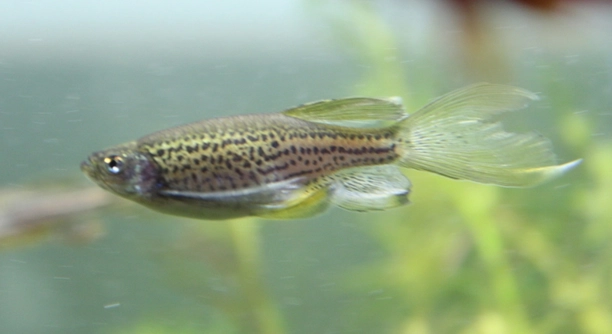
Zebra Danios are lively fish that are often easy to care for. However, their behavior can sometimes raise concerns about their health. It’s important to distinguish between real sickness and normal actions that might appear alarming at first.
There are several reasons why a Zebra Danio might appear sick, but they are not actually unwell. Common causes include natural behaviors, water quality issues, or environmental changes that temporarily affect the fish’s appearance or movement.
Understanding these signs can help you identify potential issues without unnecessary worry. Recognizing the difference between illness and normal behavior ensures your fish stays healthy and happy.
Normal Zebra Danio Behavior That May Look Unhealthy
Zebra Danios are active fish, constantly swimming and exploring their environment. At times, this hyperactivity may seem like a sign of stress or illness, but it’s just their natural behavior. They are fast swimmers and often dart around the tank, which can be mistaken for erratic movement. Additionally, their tendency to swim in bursts can sometimes lead to the appearance of shallow breathing, which is not a cause for concern. Understanding these behaviors helps prevent overreaction when the fish appear overly energetic or restless.
It’s important to observe them in their habitat to recognize when something is truly wrong. Over time, you’ll become more familiar with their usual actions, making it easier to spot if there’s a real issue.
Zebra Danios may also engage in chasing one another, especially during mating seasons. This behavior is common and not an indication of sickness. The fish may swim rapidly around each other, appearing agitated. However, this is simply natural mating behavior and is not harmful to their health.
Water Quality and Its Impact on Zebra Danios
Water quality plays a significant role in the health of Zebra Danios. Poor water conditions, such as fluctuating temperature or pH levels, can cause the fish to appear lethargic or display abnormal behavior. However, this is not a sign of illness but rather a response to the stress from their environment. Regular water changes and proper filtration can prevent these problems, ensuring the fish remain active and healthy.
When water conditions are off, Zebra Danios may show signs of stress. They could swim near the surface, hover in one spot, or even breathe more rapidly. These signs are temporary and will improve once the water quality is restored. Adjusting the water parameters gradually, rather than making drastic changes, helps avoid additional stress. Always ensure the temperature, pH, and ammonia levels are in the recommended range to keep the fish comfortable.
Stress From Environmental Changes
Zebra Danios are sensitive to sudden environmental changes, such as a shift in temperature, lighting, or water conditions. If these factors change abruptly, the fish might display signs of distress, such as hiding, reduced activity, or erratic swimming. These changes can lead to temporary health issues, though the fish will recover once conditions stabilize.
Stress can cause Zebra Danios to appear lethargic or disoriented, but this is often not a sign of illness. When placed in a new tank or after a major water change, they may act differently as they adjust. Providing a stable environment, with consistent water conditions and temperature, is essential for their well-being. Avoid sudden changes to the tank, as this can cause unnecessary stress, leading to behaviors that may seem concerning at first glance.
During stressful periods, Zebra Danios might also lose their usual vibrant color. This is another temporary response to environmental stress, and once the fish are settled, their natural color should return. Over time, you’ll notice that they adapt to the tank, and their behavior should return to normal.
Overfeeding and Its Effects
Overfeeding Zebra Danios can lead to problems in their tank. Excess food can cause poor water quality and lead to digestive issues for the fish. This can result in bloating, lethargy, or abnormal swimming, which might look like illness but is usually tied to diet issues. Adjusting feeding practices can help prevent these problems.
If you notice your Zebra Danio becoming inactive or bloated, it’s often a sign that they have eaten too much. Be careful not to overfeed your fish; they require small amounts of food, usually once or twice a day. Leftover food should be removed from the tank after a few minutes to prevent it from deteriorating and affecting water quality. Overfeeding can also cause the fish to become sluggish, but once the feeding routine is adjusted, the fish should regain their typical energy levels.
Zebra Danios are generally small fish and don’t require large portions. Their digestive system is quite efficient, so offering them only what they can consume within a few minutes helps keep the tank environment healthy.
Unusual Swimming Patterns
Zebra Danios are known for their energetic and erratic swimming patterns. They often swim in short bursts or rapidly dart around the tank, which can sometimes be mistaken for signs of stress or illness. These swimming behaviors are just part of their normal activity levels.
This type of movement is common in healthy Zebra Danios, especially when they are exploring or excited. If the fish exhibit these swimming behaviors, it does not necessarily indicate any problem. As long as they are eating and interacting with their environment, this is just part of their lively nature.
Aggression Between Tankmates
Zebra Danios are generally peaceful but can sometimes display aggression, particularly during breeding season. This aggression might include chasing or nipping at one another. While this can seem troubling, it is typically harmless and a normal part of their social interactions.
Males are more likely to be aggressive towards each other, especially when competing for mates. If this behavior becomes too intense, it may be a sign that the tank is overcrowded or lacking in hiding spots. Providing adequate space and cover can help reduce aggression, keeping the environment peaceful for all the fish.
Skin and Fin Damage
Zebra Danios occasionally show signs of skin or fin damage, which might look concerning at first glance. This damage can occur when they rub against tank decorations or during scuffles with tankmates. Typically, these injuries heal quickly without requiring intervention.
In most cases, Zebra Danios’ skin and fins will repair themselves if the tank conditions are ideal. However, if you notice persistent damage or signs of infection, such as discoloration or swelling, it might be worth examining water quality or consulting with a specialist.
FAQ
What are the signs that my Zebra Danio is sick?
Zebra Danios show a variety of behaviors, but signs of illness typically include lethargy, loss of appetite, abnormal swimming patterns, or discoloration. If your fish is hiding more than usual, has ragged fins, or is not eating, it may be sick. Other signs include rapid gill movement, bloating, or changes in their usual swimming behavior. It’s essential to monitor water quality, as poor conditions can lead to symptoms similar to illness. Regularly check parameters like temperature, pH, ammonia, and nitrate levels to maintain a healthy environment.
How can I tell if my Zebra Danio is stressed?
Stressed Zebra Danios may display behavior changes like hiding, erratic swimming, or frequent darting. They might also lose their vibrant colors and swim near the surface or in the corners of the tank. Stress often comes from environmental factors, such as sudden changes in water conditions, overcrowding, or insufficient space. Stress can also be caused by incompatible tankmates. If the fish’s behavior returns to normal after making adjustments to the tank, it’s likely stress-related. Ensure a stable environment with proper water parameters and enough hiding spots to reduce stress.
Why is my Zebra Danio swimming near the surface?
Zebra Danios often swim near the surface to catch food or to get oxygen. However, if this behavior becomes excessive, it may indicate low oxygen levels in the water or a temperature issue. Poor water quality can also cause this behavior, as fish seek cleaner, oxygenated areas. Ensure that your tank has proper filtration and aeration to maintain good oxygen levels. If the behavior continues, test the water for ammonia, nitrite, and nitrate levels. A water change might be necessary to restore balance and provide a healthier environment for your fish.
Why is my Zebra Danio’s color fading?
Fading colors in Zebra Danios are often a sign of stress or poor water conditions. When fish are stressed, they may lose their vibrant stripes or appear dull in color. This can also happen if the water quality is poor or if they are feeling threatened by other fish. Another cause could be overfeeding or a lack of sufficient space. If your fish are in a healthy tank environment with stable conditions, their colors should return to normal. If fading persists, check water quality and evaluate tankmates for compatibility.
What should I feed my Zebra Danio?
Zebra Danios are omnivores and thrive on a varied diet. You can feed them high-quality flake food, freeze-dried or frozen foods like bloodworms, brine shrimp, and daphnia. They also enjoy live foods, such as small insects and algae. A well-rounded diet helps maintain their health and vibrant color. Avoid overfeeding as this can lead to bloating or poor water quality. Feed small amounts once or twice a day, ensuring they finish the food within a few minutes to avoid leftovers polluting the tank.
How often should I change the water in my Zebra Danio tank?
Water changes are crucial for maintaining a healthy environment for your Zebra Danios. Typically, a 25-30% water change once a week is ideal. This removes excess nutrients and waste products, helping to maintain stable water parameters. If you have a heavily stocked tank or if the water quality is deteriorating faster, you may need to perform water changes more frequently. Always check water parameters before and after changes to ensure consistency. When changing water, ensure the new water matches the tank’s temperature and pH to avoid shocking your fish.
Why is my Zebra Danio hiding all the time?
Hiding behavior in Zebra Danios can be a sign of stress, illness, or discomfort. If your fish is hiding more than usual, it could be reacting to aggressive tankmates, poor water conditions, or environmental changes. In some cases, Zebra Danios may also hide when they are feeling unwell. Ensure that the tank provides enough hiding spots, like plants or decorations, to give the fish a sense of security. If hiding continues or is accompanied by other signs like loss of appetite or discoloration, check water parameters and consider adding more peaceful tankmates.
Can Zebra Danios live with other fish?
Zebra Danios are peaceful fish and can generally live with a variety of other species, including small to medium-sized community fish. They do well with species like guppies, tetras, and corydoras catfish. However, they can become aggressive during breeding, so it’s best to avoid keeping them with fish that are territorial or overly aggressive. As long as tankmates are non-aggressive and the tank is spacious enough for everyone, Zebra Danios can coexist peacefully with most community fish. Be mindful of their active nature and make sure your tank has enough space for them to swim.
How big do Zebra Danios get?
Zebra Danios are small fish, typically growing to about 2 inches (5 cm) in length. They are ideal for smaller aquariums, though they still need enough space to swim and explore. Despite their small size, they are active swimmers and appreciate a well-planted tank with plenty of swimming space. It’s essential to provide them with enough room to move freely without overcrowding. Overcrowded tanks can lead to stress and health issues. Make sure your tank has enough space for your Zebra Danios and any other tankmates.
Why is my Zebra Danio swimming in circles?
Swimming in circles can be a sign of a few things, but in most cases, it is caused by stress, water quality issues, or limited space. In some cases, it could be a result of a neurological disorder or injury. However, this behavior is often temporary and resolves itself once the stressor is removed or the tank environment is improved. If you notice persistent circular swimming, check the water conditions for any imbalances. Consider adding more hiding spots or rearranging the tank layout to reduce stress and give your Zebra Danio more space to move around.
Final Thoughts
Zebra Danios are generally hardy fish that thrive in a variety of conditions, making them a popular choice for aquarium enthusiasts. While they are typically healthy and active, it’s important to understand that certain behaviors or appearances may be misinterpreted as signs of illness. From their energetic swimming patterns to occasional skin or fin damage, these are often natural traits rather than indicators of distress. With the right care and attention to their environment, Zebra Danios can live long, healthy lives in your aquarium.
Maintaining a stable environment is key to ensuring your Zebra Danios stay healthy. Regular water changes, proper filtration, and monitoring the tank’s water quality are essential for preventing many common issues. These fish are sensitive to poor water conditions, so it’s important to keep an eye on factors like ammonia, nitrite, and nitrate levels. Ensuring that the tank is not overcrowded and that the fish have enough space to swim can also reduce stress, which can sometimes manifest as unusual behavior or physical changes.
If you notice any abnormal behavior or symptoms in your Zebra Danios, such as loss of appetite, faded colors, or unusual swimming patterns, take a closer look at their environment. Often, these issues can be linked to water quality or tank conditions. By addressing any potential stressors or adjusting the tank setup, you can help your Zebra Danios return to their active, vibrant selves. With proper care and attention, these fish can continue to bring beauty and movement to your aquarium for years to come.

Hello,
If you enjoy the content that we create, please consider saying a "Thank You!" by leaving a tip.
Every little bit helps us continue crafting quality advice that supports the health, happiness, and well-being of pets around the world, for pets of all shapes, sizes, and species.
We really appreciate the kindness and support that you show us!