
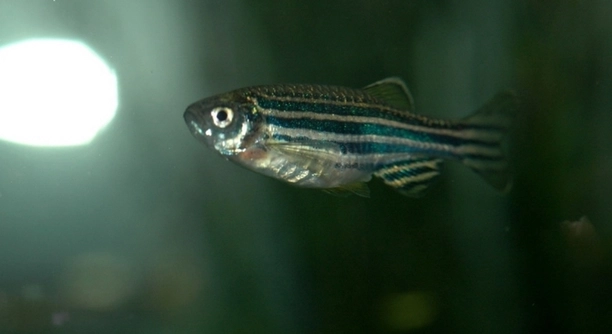
Do your zebra danios sometimes ignore each other, swimming alone instead of in a tight group like they usually do?
Zebra danios might refuse to school due to stress, illness, changes in water conditions, incompatible tank mates, or poor tank design. Identifying and addressing the underlying issue is important to maintain their natural schooling behavior.
Understanding what affects their behavior can help you create a peaceful tank that supports their health and social needs.
Stress from Sudden Environmental Changes
Zebra danios are sensitive to shifts in their surroundings. A quick change in temperature, pH levels, or even lighting can throw them off. When this happens, they often stop schooling and start swimming alone or hiding more than usual. Stability is key. These fish thrive in consistent environments where changes happen gradually and carefully. Sudden water changes or cleaning routines that disrupt their habitat can stress them out. That stress may lead to antisocial behavior, including a refusal to school. To help, make sure any adjustments to their tank are slow and minimal. If you have to change the water, do it in small amounts and monitor the levels before and after. Consistency in care often encourages them to regroup and act more like themselves. Keeping an eye on their comfort zone helps them feel safe and return to their usual schooling behavior.
Keep the lights dimmed during tank maintenance to reduce stress.
Once they feel safe again, zebra danios tend to return to schooling naturally. But it does take time. Watching their behavior closely can guide you in spotting when things are back to normal. Their group swimming often resumes once their stress fades. Keep everything calm and steady while they adjust.
Illness or Injury
When a zebra danio feels unwell or is hurt, it will often stop schooling.
Sick or injured fish don’t feel like keeping up with the group. You might notice them hanging back, resting near the bottom, or swimming slowly on their own. If one fish seems distant, it’s worth checking for visible signs of illness like clamped fins, discoloration, or labored breathing. Internal issues like parasites or infections may also be at play, even if the symptoms aren’t immediately visible. Injuries from nipping tank mates or sharp objects can leave them weak or defensive. In both cases, the fish separates from the group to avoid further stress. Quarantining the affected fish can help with healing and prevent the spread of any illness. Use this time to test the water quality and double-check their diet. Poor water or nutrient imbalances can contribute to illness. After treatment, you may notice the fish gradually rejoining the group as it gains strength and confidence.
Aggressive or Incompatible Tank Mates
Zebra danios may stop schooling if they feel threatened by other fish. Aggressive tank mates or fish with very different temperaments can cause tension and lead to isolation.
Some fish are simply too rough or territorial to share space peacefully with zebra danios. Even semi-aggressive fish like tiger barbs or cichlids may chase or nip, leaving danios feeling unsafe. This often results in them separating from the group to avoid further stress. Fast, active fish that dart quickly can also confuse or overwhelm danios. When surrounded by incompatible tank mates, zebra danios might hide, become sluggish, or even stop eating. Creating a peaceful tank with similar-sized, non-aggressive fish can make a huge difference. Fish like tetras, rasboras, and guppies tend to be more compatible and let danios feel secure enough to school again. The fewer disruptions they experience, the more likely they are to stay active and social.
Overcrowding can make this worse. Too many fish in one tank raises stress and territorial behavior.
Aim to keep zebra danios with others that match their pace and nature. Giving them space, clean water, and calm surroundings helps keep schooling behaviors consistent. They do best in a tank where they’re not being chased or pushed around constantly. Balance is everything.
Breeding Behavior
When breeding starts, zebra danios may stop schooling temporarily and become more focused on pairing off.
During breeding, male danios will often chase the females around the tank. This changes their usual swimming patterns, and you might notice the group splitting up more frequently. Instead of swimming in unison, the fish become more active, focused on courtship behaviors. Some may even hide or separate from the group if they aren’t part of the chase. Once spawning ends, things usually return to normal, but it’s good to watch closely. Breeding can increase stress and reduce their interest in schooling temporarily, especially in smaller tanks with limited space to spread out.
Keeping the tank calm during this period can help. Dim the lights slightly and avoid sudden disturbances.
After breeding ends, zebra danios often resume schooling as long as they feel safe and unstressed. Remove any uneaten eggs or waste quickly to maintain water quality. If the tank becomes too chaotic during breeding, a divider or separate breeding space may help.
Poor Tank Layout or Lack of Space
Zebra danios need open areas to swim freely. If the tank is overcrowded with decorations or plants, they may feel blocked or restricted. Limited swimming space can make schooling feel unnatural or even impossible for them.
A small tank can lead to constant bumping or confusion within the group. This causes stress and may break their schooling behavior. Aim for at least a 10-gallon tank for a small group, with plenty of horizontal swimming space and minimal clutter.
Lighting That’s Too Bright
Zebra danios prefer moderate lighting. Bright or harsh lights can make them feel exposed or anxious, leading them to scatter. If they feel like they have no cover, they may avoid grouping together.
Lowering the brightness or adding some floating plants can help. A more relaxed lighting setup gives them comfort and helps restore their natural behavior. You don’t need to keep things too dark—just soft enough for them to feel secure. They’ll likely go back to schooling once they feel safe again.
Being Kept Alone
Zebra danios are social fish. When kept alone or in too small a group, they tend to isolate and avoid schooling altogether.
FAQ
Why are my zebra danios not schooling even though they’re in a group?
Zebra danios might not school even in a group if something feels off in their environment. This can include poor water quality, overly bright lighting, lack of swimming space, or the presence of aggressive tank mates. Even stress from frequent tank changes or noise near the aquarium can influence their behavior. While zebra danios are naturally social, they also need to feel safe and comfortable. If one or more elements of their setup aren’t ideal, they may stop schooling and either swim alone or stay hidden. Regular maintenance and a calm tank atmosphere help them return to normal.
Can zebra danios live alone if they stop schooling?
While a zebra danio can physically survive alone, it’s not recommended. These fish are naturally social and need the presence of their kind to thrive. When kept alone, they may become sluggish, stressed, or even aggressive over time. Their immune system can also suffer from prolonged stress. If they’re not schooling, it’s better to check what might be wrong in the tank instead of separating them further. Adding a few more danios and improving tank conditions often helps bring back their schooling instincts. Social behavior is part of their health and well-being.
Do zebra danios stop schooling as they age?
It’s possible for older zebra danios to school less frequently. Just like many fish, they can become less active as they age. They may still swim in groups occasionally, but not as tightly or often as younger fish. However, age isn’t usually the main reason for a change in schooling behavior. Always rule out other causes like tank issues, illness, or stress before assuming it’s age-related. As long as older danios are eating, active, and not showing signs of illness, a slight decline in schooling can be considered normal.
How many zebra danios do I need for proper schooling?
To encourage schooling, aim for at least five zebra danios. Groups of six or more are ideal. Smaller groups may not provide the social support they need, which can make them feel vulnerable or stressed. When they feel outnumbered, their instinct to group up weakens. A larger group gives them more confidence and encourages synchronized swimming. It also reduces individual stress. Always make sure your tank size can handle the number you keep. Overcrowding brings its own problems and can interfere with schooling too.
Do zebra danios school with other types of fish?
Zebra danios generally prefer to school with their own species. While they may occasionally swim near similar-looking or similarly active fish, true schooling behavior usually only happens among other danios. Adding similar species might reduce stress but won’t necessarily trigger the tight schooling that danios display among themselves. For best results, always provide a proper group of zebra danios to see their full range of social behavior. Keeping them with mismatched fish may lead to confusion or stress.
What’s the difference between schooling and shoaling in zebra danios?
Shoaling means the fish prefer to stay together loosely, while schooling is when they swim in a tight, coordinated group. Zebra danios do both depending on how safe and comfortable they feel. Most of the time in a calm tank, they’ll shoal—hanging out near one another without swimming in sync. When startled or in a new environment, you’ll see more schooling behavior as a defensive reaction. Understanding both helps in recognizing what they’re communicating through their movement.
Can changes in water temperature affect schooling behavior?
Yes, zebra danios are sensitive to water temperature changes. Sudden drops or spikes can stress them out and lead to changes in behavior, including a lack of schooling. Keep the tank temperature between 72°F and 78°F and avoid abrupt shifts. A stable environment helps maintain their natural behaviors. If you notice your danios acting off, checking the temperature should be one of the first things you do. Even small adjustments can bring back balance to the tank.
How long does it take for new zebra danios to start schooling?
New zebra danios might take a few days to settle into their environment before they start schooling regularly. The transition from store tanks to home tanks can be stressful. Once they’ve adjusted, you’ll often see them begin to group up more consistently. Providing them with good water quality, hiding spots, and a peaceful setup helps speed up this process. If they don’t school after a week, it’s worth looking into other factors like tank mates, space, or lighting.
Final Thoughts
Zebra danios are known for their lively nature and strong group behavior, but there are times when they may choose not to school. This doesn’t always mean something is seriously wrong, but it’s often a sign that something in their environment could be improved. Whether it’s water quality, tank setup, or the mix of tank mates, even small changes can affect their comfort level. These fish rely on stability, calm surroundings, and the presence of other danios to feel secure. When something doesn’t feel right, they may break from the group, act distant, or stay in one corner of the tank. Watching their daily activity and noticing shifts in behavior is key to understanding their needs.
When trying to encourage zebra danios to school again, focus on the basics first. Clean water, stable temperature, and a peaceful tank are all important. Make sure the tank is not too small and has enough open swimming space. Avoid overcrowding or combining them with overly aggressive or fast-moving species. Also, keeping at least five or six danios in a group is helpful, as this supports their natural behavior and gives them a sense of safety. If you notice one fish acting very differently or staying apart for too long, it might be time to check for signs of illness or stress. Sometimes a single fish may fall behind due to poor health, and this can affect the group dynamic.
Keeping zebra danios healthy and active takes a bit of attention, but it’s usually simple once you understand their habits. Their schooling behavior is more than just a fun thing to watch—it’s a sign that they’re doing well in their environment. When they feel secure, they move together smoothly, showing off their natural rhythm and energy. If that changes, it’s worth taking a closer look at the tank conditions and the group itself. With just a few thoughtful adjustments, most zebra danios return to schooling quickly. They are strong and adaptable fish, and once they feel safe, they often bounce back without trouble. Keeping their environment steady and supportive is the best way to make sure they thrive in your care.

Hello,
If you enjoy the content that we create, please consider saying a "Thank You!" by leaving a tip.
Every little bit helps us continue crafting quality advice that supports the health, happiness, and well-being of pets around the world, for pets of all shapes, sizes, and species.
We really appreciate the kindness and support that you show us!