
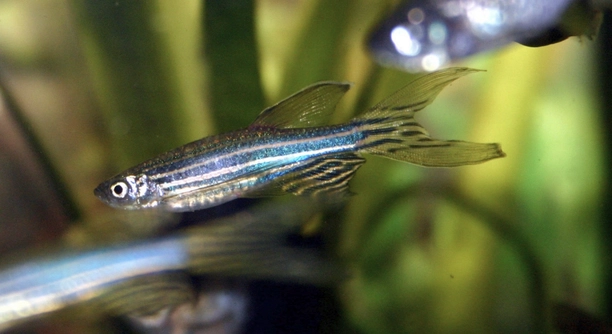
Is your zebra danio acting differently, staying away from the rest of the group, and making you wonder what’s going on?
The most common reason one zebra danio is swimming separately is due to illness, stress, or territorial behavior. These changes in behavior are often signs that the fish is uncomfortable or unwell, requiring close observation and possible intervention.
Understanding these behaviors will help you support your zebra danio’s health and ensure a peaceful environment in your aquarium.
Common Reasons One Zebra Danio Swims Alone
Zebra danios are social fish, so seeing one separate from the group can feel concerning. Illness is a major cause—if a danio is sick, it may isolate itself, move less, or show signs like faded colors or torn fins. Stress can also be a factor, often caused by poor water quality, sudden temperature changes, or overcrowding in the tank. Some danios become territorial, especially if space is limited or if new fish are introduced. These behaviors can cause them to act more aggressively or isolate themselves. It’s also possible the danio is being bullied by others, forcing it to stay away for safety. Watching closely for changes in eating habits or swimming patterns can help identify the problem early. A quick response can often prevent further issues and help your fish return to its usual behavior. It’s important to create a calm and healthy tank environment.
Noticing changes in behavior early allows you to act fast. Small problems can quickly become serious in fish tanks.
Providing enough space, hiding spots, and stable water conditions makes a big difference. If the problem continues, separating the affected danio for observation may help you spot signs of illness or injury before it spreads to others.
Steps to Help Your Zebra Danio
Begin by testing the water quality. Ammonia, nitrites, or pH imbalances are common stressors. Fixing these can often lead to quick improvements.
Once the water conditions are under control, watch the danio’s behavior closely for a few days. Is it eating? Are its fins intact? Does it show signs of rapid breathing or unusual swimming patterns? If you suspect illness, quarantining the fish in a separate tank is helpful. There, you can monitor it closely and treat it without affecting the others. Adding aquarium salt or a basic antibacterial treatment can sometimes support recovery. Make sure the quarantine tank also has clean, warm water and low light to reduce stress. If there’s no improvement, consulting with a vet who handles fish or a knowledgeable pet store employee is a good next step. Keep the main tank calm and consistent, and avoid adding new fish during this time. Consistency, observation, and care are key to restoring balance.
Monitoring Tank Behavior
Watch how the other fish act around the one swimming alone. Sometimes, a zebra danio might be picked on by others. Aggression, chasing, or fin-nipping can cause a fish to separate itself to avoid stress or injury.
Keep an eye out for repeated chasing, quick darting movements, or the isolated fish hiding near decorations or corners. These signs usually mean there’s tension in the group. If the tank is too small, this behavior can get worse. Add plants or hiding spots to give fish some personal space. A group of at least six zebra danios helps reduce bullying, as they spread out social pressure. If one fish is being singled out, rearranging tank décor can break up territories and reset their social balance. In some cases, you may need to remove the aggressive fish temporarily to give the isolated one a chance to recover and feel safe.
Feeding time is another moment to watch. If the isolated danio avoids food or is too scared to swim up with the others, this can lead to weakness and health problems. Offer food in different spots in the tank so it has a chance to eat. Choose easy-to-eat options like crushed flakes or soft pellets. You want to make sure it stays nourished. A healthy diet plays a big role in recovery, so even small improvements in eating are encouraging signs. If the danio refuses food for more than a couple of days, it may be time to consider treatment options or isolation. Regular feeding checks help track progress and overall comfort levels.
When to Quarantine the Fish
If you see signs like fin rot, bloating, white spots, or trouble swimming, it’s time to separate the danio. These symptoms can spread quickly and harm others. A quiet, warm quarantine tank will keep the stress low and give the fish a better chance to heal.
In the quarantine tank, make sure everything stays clean and stable. Use a heater to keep the temperature steady, and test the water often. Adding a little aquarium salt can help with healing, especially if the fish has mild injuries or stress. Avoid bright lights, and give it a few places to hide. A sponge filter works well in these small tanks since it’s gentle and doesn’t cause strong currents. Watch the fish daily for signs of improvement. If symptoms get worse, you may need to use medication. Choose treatments based on visible symptoms. Follow instructions closely, and never mix different medications unless advised by a vet or specialist.
Signs of Recovery to Watch For
If your zebra danio starts swimming more with the group and eats during feeding time, that’s a good sign. Clear eyes, smooth swimming, and brighter colors also show it’s getting better.
Less hiding, steady breathing, and exploring the tank again mean it’s feeling safer. These are all positive changes.
Preventing Future Problems
Keep the tank clean with regular water changes and test the water weekly. Stable temperature, proper filtration, and a spacious tank help lower stress. Feed a balanced diet and avoid overfeeding. Add hiding spots to reduce tension and always quarantine new fish before adding them to the main tank.
When to Ask for Help
If symptoms get worse or don’t improve after a week, it’s best to speak with a vet who knows fish.
FAQ
Why is my zebra danio hiding all the time?
Zebra danios usually stay active and swim in groups, so hiding is not normal for them. If one is hiding all the time, it may be feeling stressed, sick, or bullied. Stress can come from poor water conditions, loud noise, or sudden changes in temperature. Illness can also cause this behavior, especially if it’s paired with loss of color or appetite. Sometimes, if the fish is new to the tank, it may take a few days to adjust and feel safe. Give it time and keep an eye on its behavior.
Can zebra danios live alone?
Zebra danios are schooling fish, which means they do best when kept in groups. Living alone can lead to stress, poor health, and shortened lifespan. A single danio may become shy, inactive, or aggressive. To help them feel secure and happy, keep at least six together. A group allows them to interact naturally and reduces the chance of bullying. If space is limited, consider a smaller school but never keep one alone long-term. Their active nature makes them more comfortable with others around.
How do I know if my zebra danio is sick?
Signs of illness include clamped fins, faded color, unusual swimming, bloating, white spots, or rapid breathing. If your fish is not eating or hides most of the time, it may also be sick. Watch for any changes in behavior or appearance. Comparing it to the other danios in the tank can help you notice what’s different. If you see any of these signs, test the water and consider moving the fish to a separate tank. Treat based on symptoms or consult a vet who knows fish care.
Why is only one zebra danio being aggressive?
One zebra danio may act aggressively if it feels dominant or territorial, especially in a tank that’s too small or lacks hiding places. This fish might chase or nip at others, causing them to separate from the group. Try adding more plants or decorations to break up the space. Rearranging the tank can also help reset social behavior. Sometimes, increasing the group size can spread out aggressive behavior. If it continues, you might need to remove the aggressive fish for a few days to help calm things down.
What should I do if my zebra danio won’t eat?
If your zebra danio won’t eat, try offering small, soft foods like crushed flakes, baby brine shrimp, or soaked pellets. Make sure the food isn’t too big or sinking too fast. Check the water conditions, as stress from poor quality can cause loss of appetite. Also watch for signs of sickness like bloating, strange swimming, or hiding. If the fish still refuses to eat after a couple of days, try moving it to a quiet tank on its own to reduce stress. If nothing changes, consider using medication.
Do zebra danios need a heater?
Yes, zebra danios need a stable temperature between 72°F and 78°F (22°C to 26°C). While they are a bit hardy, sudden drops or cold water can cause stress and illness. A heater helps maintain a steady environment, especially in cooler climates. Even small temperature changes can lead to problems over time. Always use a reliable aquarium thermometer to monitor the tank. Stability is more important than the exact number, so avoid sudden shifts and keep it consistent for their health.
How can I reduce stress in my tank?
Keep the tank clean, test the water weekly, and do regular water changes. Avoid sudden noise or light changes near the tank. Add plenty of hiding spots using plants, caves, or decorations. Keep the group size balanced, and avoid overcrowding. Feed a proper diet and avoid overfeeding, as extra waste can harm the water quality. Quarantine any new fish before introducing them to the tank. All of these steps create a stable, calm space that helps zebra danios feel secure and act normally.
Final Thoughts
Watching one zebra danio swim apart from the group can be worrying, but it’s often a sign that something needs attention. It could be related to stress, illness, or problems with the tank setup. These small fish are sensitive to changes in their environment. Even things like water quality, temperature shifts, or the way other fish behave can affect them. Paying close attention to their behavior, especially when one starts acting differently, is important. A fish that is not eating, hiding, or showing signs of illness should be checked right away. Quick action can prevent further problems and keep the rest of your fish safe.
Keeping zebra danios healthy means creating a stable and peaceful tank. Clean water, the right temperature, and a proper group size help reduce stress. When danios feel safe and comfortable, they are active and swim together. Make sure there’s enough space, avoid overcrowding, and add places for them to hide if needed. Feeding a balanced diet and not overfeeding also supports their well-being. Always quarantine new fish before adding them to your tank, even if they look healthy. This simple step helps stop the spread of illness and protects the group you already have.
When one zebra danio swims separately, it’s not something to ignore. It’s a message that something might be wrong. Whether the issue is health-related or caused by stress, taking the time to observe and respond makes a big difference. Sometimes, even small changes like rearranging tank decorations or improving water flow can improve your fish’s behavior. It’s not always possible to fix things right away, but small, steady efforts can help. If the fish’s condition does not improve, don’t hesitate to reach out to a vet or someone with experience in fish care. Your zebra danio deserves a calm, clean space where it can swim freely with the rest of the group.

Hello,
If you enjoy the content that we create, please consider saying a "Thank You!" by leaving a tip.
Every little bit helps us continue crafting quality advice that supports the health, happiness, and well-being of pets around the world, for pets of all shapes, sizes, and species.
We really appreciate the kindness and support that you show us!