
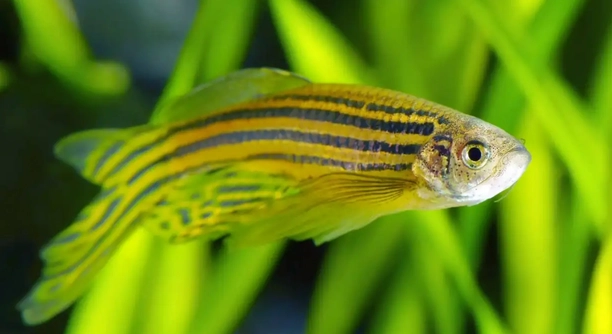
Zebra Danios are lively fish that may surprise you with their nocturnal behavior. While these fish are active during the day, what they do at night can reveal more about their habits and instincts.
Zebra Danios often engage in various activities at night, such as swimming in quick bursts, foraging for food, or resting in sheltered areas. They are generally less active in total darkness but may still move around if disturbed or hungry.
Their nighttime behavior can provide insight into their overall health and well-being. Understanding these habits helps ensure your Zebra Danios are thriving in their environment.
Zebra Danios’ Nighttime Swimming Patterns
Zebra Danios are known for their energetic swimming, but this doesn’t stop when the sun goes down. At night, they continue to swim, although their pace might slow down compared to daytime activity. During the dark hours, they can be seen swimming in short bursts, often moving erratically or darting through the water in a series of quick, sharp movements. This is a natural behavior that comes from their instinct to be on alert for predators or potential food sources.
Their movement slows when they are resting or hiding. However, if they feel threatened or sense the presence of food, they may become more active. These behaviors are part of their survival instincts, as they must stay alert in the wild, even when they are resting. This instinct carries over into their time in captivity, where their activity level may fluctuate based on environmental factors like light levels or the presence of tank mates.
Understanding their swimming patterns can help you better care for Zebra Danios in your aquarium. If they are overly active at night or seem restless, it could indicate an issue in their environment, such as high water temperature or stress.
Why They Hide at Night
Zebra Danios may seek shelter or hide when the lights go out. They find safe spaces in plants, decorations, or the corners of the tank. This behavior is natural and shows they feel secure.
At night, they are not always fully asleep. In the wild, hiding from predators is crucial for survival. In captivity, while Zebra Danios may not face actual threats, they will still seek shelter to feel safe and secure. This behavior is a form of rest that allows them to recharge and prepare for the next active phase of the day.
It’s important to provide hiding places in your aquarium to support their natural instincts. Using plants, rocks, or other decorations will give your Zebra Danios a sense of security, allowing them to rest comfortably. Creating a balanced environment with these spaces will help maintain their well-being and comfort.
How Light Affects Zebra Danios at Night
Zebra Danios are sensitive to light changes. Their activity levels are often influenced by the lighting in their environment. When the lights go off, they tend to calm down, but some may still exhibit movement, especially in low light conditions.
The absence of light triggers a natural response in Zebra Danios. They rely on day-night cycles to regulate their behavior and rest patterns. In bright light, they may be more active and exploratory. As darkness sets in, they transition to calmer, more reserved actions. However, artificial lighting can confuse their internal rhythm if used incorrectly.
Providing a consistent day-night cycle in their environment is crucial for Zebra Danios’ well-being. Overexposure to light, especially at night, can disrupt their sleep patterns and stress them out. A proper light schedule ensures they can rest when needed and be active when it’s time to explore their tank. It’s an essential aspect of their overall care.
How Temperature Affects Nighttime Activity
Water temperature plays a major role in Zebra Danios’ activity levels. These fish thrive in a range of temperatures, typically between 65°F and 75°F (18°C and 24°C). If the water temperature is too high or too low, it can affect their nighttime behavior.
When the water is warmer, Zebra Danios tend to be more active, including at night. Higher temperatures increase their metabolism, making them more likely to swim around and explore their environment. On the other hand, cooler temperatures can cause them to become sluggish and spend more time resting or hiding. Too cold or too hot of a tank can cause stress or even illness in Zebra Danios.
Maintaining an optimal water temperature is essential for their overall health. If they are more active than usual at night or seem lethargic, it could indicate that the water temperature is not ideal. Monitoring and adjusting the temperature to the correct range will help regulate their activity levels and improve their well-being.
Zebra Danios and Their Feeding Habits at Night
Zebra Danios are opportunistic feeders. At night, they might continue searching for food if there is any left in the tank. However, they are less likely to actively hunt after the lights are off.
Their feeding habits during the night are influenced by their circadian rhythm. In low-light conditions, they are still on alert for any leftover food, but their activity level is significantly lower compared to the daytime. They rely on their sense of smell and their instinct to search for food, even if it’s dark.
Resting Patterns of Zebra Danios
Zebra Danios rest during the night but do not enter a full sleep state like humans. They tend to become less active and seek shelter in plants or tank decorations.
Even though Zebra Danios rest at night, they are still somewhat alert to their environment. They remain aware of movement around the tank and can wake up if disturbed, especially if they sense danger. Their rest period allows them to recharge for the next day’s activity.
Effects of Tank Mates on Nighttime Behavior
Tank mates can affect Zebra Danios’ behavior, especially at night. Aggressive or overly active fish can make them more stressed, leading to disturbed rest.
If there are more dominant species in the tank, Zebra Danios may become anxious or retreat to their hiding spots. This can cause them to stay more sedentary or restless at night, impacting their overall health. It’s important to carefully select compatible tank mates to create a peaceful environment, allowing Zebra Danios to relax at night.
FAQ
Do Zebra Danios need complete darkness at night?
Zebra Danios don’t require complete darkness, but they do benefit from a consistent light-dark cycle. They are more active during the day and less so at night when the lights are off. However, a little bit of dim light will not disturb them. It’s essential to provide them with a regular cycle of light and dark to mimic their natural environment and help them rest properly.
Can Zebra Danios sleep with the lights on?
While Zebra Danios do not need complete darkness to sleep, prolonged exposure to bright lights can affect their rest. If the lights are left on for too long, it can disrupt their natural sleep cycle and cause them stress. It’s best to keep a consistent light schedule to maintain their well-being, with 10-12 hours of light per day and a dark period during the night.
How much do Zebra Danios sleep at night?
Zebra Danios typically rest for several hours during the night. While they do not enter a deep sleep state like humans, they do reduce their activity. They often seek hiding spots in plants or other tank decorations to rest. The amount of sleep varies based on their environment, temperature, and light conditions.
Why are my Zebra Danios so active at night?
If your Zebra Danios are overly active at night, it could be due to environmental factors such as water temperature, stress, or inadequate lighting. Warmer water temperatures can increase their metabolism, causing them to be more active. Similarly, a poorly lit tank or tank mates that are too aggressive can disrupt their sleep patterns.
Do Zebra Danios rest in hiding spots at night?
Yes, Zebra Danios tend to seek shelter or hide during the night. They may use plants, tank decorations, or even corners of the tank as hiding spots. This behavior is normal and helps them feel secure, as they are instinctively seeking protection from potential predators, even in a controlled aquarium environment.
How do Zebra Danios communicate at night?
Zebra Danios communicate primarily through body movements and signals, even at night. Although their activity levels decrease in the dark, they may still use subtle movements to communicate with each other. This communication is more about establishing territory or social bonding, and it’s often visible in their daytime behavior.
Are Zebra Danios nocturnal?
Zebra Danios are not strictly nocturnal. They are diurnal, meaning they are more active during the day. However, they may still engage in light activity at night. Their behavior is influenced by the lighting and environmental conditions of their aquarium, with more activity occurring at dusk or dawn in low-light situations.
Can I feed Zebra Danios at night?
Feeding Zebra Danios at night is fine as long as you ensure the food is consumed before the lights are turned off. If food is left uneaten overnight, it can degrade water quality. Feeding them just before their rest period ensures that they have time to eat and won’t be disturbed by food floating around during their rest.
Why are my Zebra Danios swimming in circles at night?
If Zebra Danios are swimming in circles at night, it may indicate that they are stressed or feeling threatened. This behavior can also be a result of being kept in a tank that is too small or overcrowded. Ensuring that their environment is suitable, with enough space and proper tank mates, can help reduce this erratic behavior.
Do Zebra Danios need a filter at night?
Yes, Zebra Danios benefit from the continuous filtration of their tank water. Even though they are less active at night, the filter helps maintain clean and oxygenated water. A properly functioning filter is essential for keeping the water conditions stable and preventing any buildup of waste products.
Can I change the lighting for Zebra Danios?
You can change the lighting for Zebra Danios, but it’s important to do so gradually. A sudden shift in lighting intensity or duration can cause stress and disrupt their sleep cycles. It’s best to have a timer for the lights to create a predictable light-dark cycle. This ensures they get the right amount of rest without sudden changes.
Final Thoughts
Zebra Danios are resilient and adaptable fish that thrive with consistent care and attention to their environment. Understanding their behavior, particularly at night, is essential for maintaining their health and well-being. These small fish are diurnal, which means they are naturally more active during the day, and their behavior changes once the lights go off. While they do not require complete darkness, providing a regular light-dark cycle allows them to rest properly. Any disruption in this cycle can cause unnecessary stress and impact their overall health.
Water temperature, lighting, and tank mates all play crucial roles in shaping Zebra Danios’ nighttime behavior. Keeping the water temperature within the ideal range (65°F to 75°F) helps regulate their activity levels. If the water is too warm, they may become overly active, and if it’s too cold, they might become sluggish. The right tank mates are also important. Aggressive or overly active fish can disrupt their sleep, leading to anxiety or restlessness at night. It’s essential to maintain a peaceful environment with compatible fish and appropriate hiding spots for Zebra Danios to feel secure.
By understanding how these fish interact with their environment at night, you can make small adjustments to create a better habitat for them. Maintaining a proper day-night cycle, providing appropriate water conditions, and ensuring the right tank setup will support their natural rhythms and behaviors. With these adjustments, Zebra Danios can lead a healthy and stress-free life, fully enjoying the balance between activity and rest that they need to stay in good condition.

Hello,
If you enjoy the content that we create, please consider saying a "Thank You!" by leaving a tip.
Every little bit helps us continue crafting quality advice that supports the health, happiness, and well-being of pets around the world, for pets of all shapes, sizes, and species.
We really appreciate the kindness and support that you show us!