
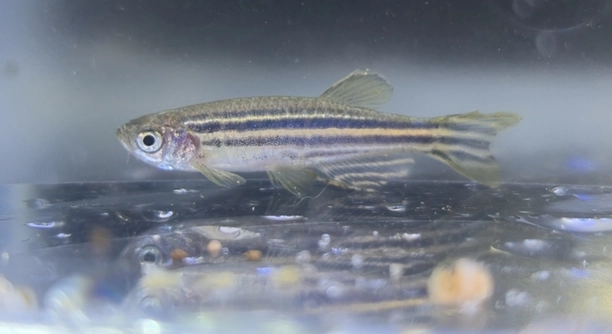
Have you ever watched your zebra danios swim around and wondered if they can recognize and avoid certain fish in the tank?
Zebra danios can learn to avoid specific tank mates through repeated exposure and negative experiences. This behavioral adaptation helps them reduce stress and maintain social harmony, especially when cohabiting with more aggressive or incompatible species.
Understanding how zebra danios respond to other fish can help improve tank dynamics and support a peaceful, thriving aquarium environment.
How Zebra Danios React to Other Fish
Zebra danios are known for being active and social, but they can become cautious when paired with aggressive or unfamiliar fish. They rely on repeated exposure to recognize patterns and adjust their behavior. If another fish consistently chases or nips them, zebra danios often respond by avoiding that fish’s territory. Over time, they may even stop exploring certain areas of the tank entirely. This behavior is not a sign of weakness but a natural response to discomfort or stress. Tank mates that create ongoing tension can cause zebra danios to stay closer to hiding spots or other danios they feel safe with. When placed with peaceful species, however, their behavior remains playful and relaxed. Their interactions reflect learned experiences, making it important to observe their tank behavior and adjust pairings as needed. A calm tank environment supports their social nature and reduces unnecessary stress on the group.
Zebra danios use their sharp awareness and memory to help them avoid repeated negative experiences in shared tank spaces.
This ability to adapt behaviorally shows how learning plays a key role in the long-term health of zebra danios. They are not simply reacting—they are observing, remembering, and adjusting to reduce conflict in the tank.
Choosing the Right Tank Mates
Zebra danios do best with tank mates that are peaceful, similar in size, and not overly territorial. They tend to get along well with fish like rasboras, platies, and certain tetras.
When selecting tank mates, it’s important to think beyond appearances. Some fish may seem compatible at first but show territorial or nippy behavior over time. Zebra danios are quick learners and may start avoiding areas of the tank where these interactions occur. While they are resilient, continued exposure to aggressive behavior can lead to long-term stress. Stress in fish isn’t always obvious, but it can lower their immune response, reduce appetite, and lead to a loss of their usual active behavior. To avoid this, keep an eye on their swimming patterns and note any sudden changes. Avoid pairing them with larger, fast-moving, or overly dominant species. A balanced tank setup with plenty of space and cover helps zebra danios feel more at ease. Their ability to adjust behaviorally is impressive, but choosing the right tank mates helps them stay calm and social.
Observational Learning in Zebra Danios
Zebra danios watch and respond to the actions of others in their tank. If one fish consistently reacts to danger or discomfort, others nearby may begin to mimic that behavior, creating a shared response across the group.
This type of learning happens quickly. For example, if a danio repeatedly gets chased near a certain decoration, others might begin to avoid that area too. It’s a way of staying safe without each fish needing to experience the stress firsthand. This observational learning helps zebra danios build a mental map of safe and unsafe spaces. It also affects how they interact with tank mates, especially when new fish are introduced. They observe the reactions of others before choosing how to act. This kind of behavior shows their ability to process what’s happening around them and respond based on what they’ve seen, not just what they’ve personally experienced.
Over time, these learned behaviors shape how zebra danios move through their environment. They might stop swimming near certain fish or refuse to explore parts of the tank where stress has occurred. This doesn’t mean they’re timid—it shows how adaptable they are. By observing others, they create their own strategies for avoiding discomfort. It’s a quiet, steady shift in behavior that happens through simple repetition and awareness. This learning helps them maintain a sense of control in a shared space, especially in tanks with various species. It also makes their behavior more predictable once patterns have been established. Tank owners may notice changes in swimming habits, especially if new fish disturb the usual routine. Understanding this pattern can help prevent conflict.
Why Tank Setup Matters
The physical setup of the tank affects how zebra danios react to their environment. A well-planned layout can reduce tension and allow fish to form healthier, more relaxed social behaviors without crowding or constant confrontation.
Having open areas balanced with hiding spots allows zebra danios to choose where to swim based on comfort. If a certain part of the tank is dominated by an aggressive fish, danios will gravitate toward safer zones. Plants, caves, or visual barriers can help break up the space and reduce direct encounters. This makes it easier for fish to avoid each other without feeling trapped. A simple change like adding a few live plants or rearranging decorations can redirect movement patterns and help the danios regain confidence. Tank layout also supports their natural schooling behavior, giving them enough room to swim together freely while still offering protection when needed. A thoughtful layout supports long-term balance.
Recognizing Stress Signals
Zebra danios often show stress through changes in swimming behavior. They may isolate themselves, swim erratically, or stay near the bottom more than usual. These signs usually appear when they feel unsafe or overwhelmed by other tank mates.
Loss of appetite and duller coloring are also common indicators. When stressed, their usual bold stripes may appear faded. These visual and behavioral cues can help identify when the tank setup or social balance is causing discomfort.
The Role of Repetition in Learning
Repeated exposure to stressful or aggressive fish helps zebra danios learn what to avoid. If a certain species chases them each time they enter a shared space, they remember and eventually stop swimming in that area. This learned behavior helps protect them from repeated conflict. The same pattern applies to feeding times or lighting changes—zebra danios quickly link negative outcomes to specific events or areas. This ability to connect cause and effect allows them to adapt over time. They form lasting habits, avoiding both fish and spaces associated with previous discomfort. This keeps them more relaxed and safer in a shared environment.
When to Adjust Your Tank
If zebra danios consistently avoid parts of the tank or appear withdrawn, it may be time to rearrange the layout or rehome certain fish.
FAQ
Can zebra danios live with aggressive fish?
Zebra danios generally do best in peaceful communities. They are small and fast, but they can still be intimidated by aggressive fish. If paired with more dominant species, danios may experience stress or hide more often. In such setups, they may also become more territorial themselves, retreating to less accessible parts of the tank. It’s important to avoid pairing them with fish known for being overly aggressive, such as cichlids or large, territorial species. Peaceful tank mates like rasboras, guppies, or other small community fish are better choices for keeping zebra danios comfortable.
Do zebra danios get along with other species?
Yes, zebra danios are typically peaceful and get along well with a variety of other species. They are active swimmers and tend to stay in the middle or upper levels of the tank, leaving room for bottom-dwelling fish. Some species that are compatible with zebra danios include tetras, gouramis, and small catfish. However, it is important to consider the activity level and temperament of the other fish. Zebra danios are not known for being aggressive, but they might not thrive in the presence of slow-moving, shy fish or those that prefer solitude.
How can I tell if my zebra danios are stressed?
Stressed zebra danios often show clear signs. They may swim erratically, avoid certain areas, or stay close to the tank’s bottom. You might notice a change in their behavior, like reduced activity or hiding more often. Their bright coloring may dull, and they might even stop eating. Stress can also lead to increased fin damage, as they might try to escape from tank mates or other stressors. If you observe any of these changes, it’s a good idea to check the tank environment and make adjustments to reduce stressors.
What can cause stress in zebra danios?
Zebra danios can become stressed due to several factors. Aggressive tank mates are a common cause. Overcrowding, sudden water changes, poor water quality, and inadequate filtration can also contribute to their stress. Additionally, sudden changes in lighting or temperature can cause distress. Another cause of stress is lack of hiding spots or too much competition for food. Creating a balanced environment with enough space, hiding spots, and compatible tank mates will help keep your zebra danios calm and comfortable.
What do zebra danios eat?
Zebra danios are omnivorous and will eat a variety of foods. Their diet typically includes high-quality flakes or pellets designed for community fish, supplemented with occasional live or frozen foods like brine shrimp or daphnia. They will also enjoy blanched vegetables, such as spinach or zucchini. Providing a balanced diet helps keep them healthy and supports their active lifestyle. While zebra danios are opportunistic feeders, they should be fed small portions several times a day to maintain their energy levels and overall well-being.
How do I set up a tank for zebra danios?
When setting up a tank for zebra danios, aim for a well-planted aquarium with plenty of swimming space. A minimum tank size of 20 gallons is recommended for a small group. Zebra danios prefer water that is slightly alkaline, with temperatures ranging from 65-75°F (18-24°C). Ensure the tank has a gentle filtration system, as strong currents can stress them. Include hiding spots with plants, rocks, or decorations to give them a sense of security. Regular water changes and monitoring water parameters will help maintain a healthy environment for zebra danios.
Do zebra danios need a heater in their tank?
Zebra danios can tolerate a range of temperatures, but they do best in water that is consistently between 65-75°F (18-24°C). In warmer climates or if the room temperature fluctuates, a heater may be necessary to maintain a stable environment. However, it is crucial to avoid excessive heat, as high temperatures can lead to stress and health problems. A reliable aquarium heater with a thermostat helps keep the temperature steady and supports their overall well-being.
Are zebra danios good for beginners?
Yes, zebra danios are an excellent choice for beginner aquarists. They are hardy, adaptable, and relatively easy to care for. They do well in a range of water conditions and are forgiving when it comes to minor mistakes in tank maintenance. Zebra danios are also social, which makes them interesting to watch as they interact with each other and their tank mates. Their active and playful nature, combined with their low maintenance needs, makes them a popular choice for new fish keepers.
Can zebra danios breed in a community tank?
Yes, zebra danios can breed in a community tank, though it may be more challenging to raise the fry in the same environment. They spawn in the morning, typically laying their eggs on plants, substrate, or other surfaces. The eggs hatch in about 2-3 days, and the fry become free-swimming shortly after. However, in a community tank, adult fish might eat the eggs or fry. To successfully raise zebra danio fry, consider setting up a separate breeding tank with dense plants or a breeding box to protect the young fish from being eaten.
How long do zebra danios live?
Zebra danios typically live for 3 to 5 years, though with proper care, they can live even longer. Their lifespan is influenced by factors such as water quality, diet, tank mates, and overall tank conditions. Regular water changes, maintaining a balanced diet, and ensuring a stress-free environment will help them live a long, healthy life. Monitoring their behavior and promptly addressing any signs of illness or stress can also improve their chances of reaching their full lifespan.
Do zebra danios require a lot of space?
Zebra danios do not require excessively large tanks, but they do benefit from having enough space to swim freely. A tank of at least 20 gallons is recommended for a small group of zebra danios, which allows them to exhibit their natural schooling behavior. A larger tank with plenty of swimming space and hiding spots will keep them comfortable and reduce stress. Avoid overcrowding, as this can lead to territorial disputes and an increased risk of disease. A well-planned tank setup ensures that they have space to explore and interact with each other.
Final Thoughts
Zebra danios are hardy, active fish that can adapt to a variety of tank setups. They are small, social, and relatively easy to care for, making them a great choice for beginners. They can coexist with many peaceful tank mates and thrive in community aquariums when their needs are met. By paying attention to their environment and keeping a close eye on water quality, zebra danios can live healthy, fulfilling lives. Their lively nature adds vibrancy to any aquarium, and their adaptability makes them suitable for a wide range of setups.
While zebra danios can live peacefully with other species, it is important to monitor their interactions closely. Stress caused by aggressive tank mates, poor water quality, or overcrowding can affect their health and behavior. Stress signals such as erratic swimming, hiding, or loss of appetite should not be ignored. Adjusting the tank layout, reducing stressors, and providing enough space can go a long way in ensuring their well-being. Keeping a balanced tank with compatible fish is key to a harmonious environment where zebra danios can thrive.
Ultimately, zebra danios are low-maintenance fish that offer both beauty and activity in an aquarium. Their ability to learn and adapt makes them a fascinating species to observe. With proper care, they can live for several years, adding a dynamic presence to your tank. Understanding their needs and making small adjustments when necessary can help maintain a stress-free, happy environment for them. If you’re looking for a lively and durable addition to your aquarium, zebra danios are a solid choice that brings both fun and ease to fishkeeping.

Hello,
If you enjoy the content that we create, please consider saying a "Thank You!" by leaving a tip.
Every little bit helps us continue crafting quality advice that supports the health, happiness, and well-being of pets around the world, for pets of all shapes, sizes, and species.
We really appreciate the kindness and support that you show us!