
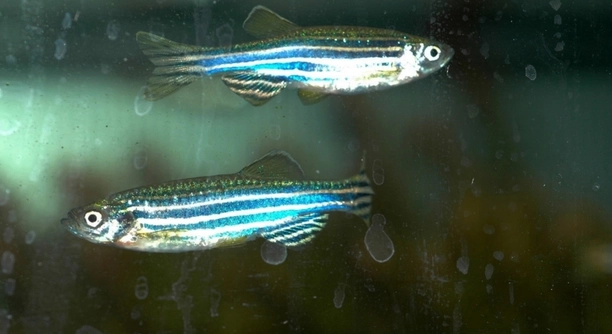
Have you ever noticed your zebra danios acting a little off and wondered if something might be wrong in their tank environment?
Unusual behaviors in zebra danios often point to stress, illness, or poor water quality. Common warning signs include erratic swimming, hiding, loss of appetite, and sudden aggression. Identifying these behaviors early can help prevent serious issues.
Learning what to watch for can help protect your fish from harm and keep your aquarium running smoothly and safely.
Erratic Swimming Patterns
Zebra danios are usually steady, quick swimmers, so erratic movement can be a clear signal that something is off. If your fish start darting around the tank rapidly or swimming in circles, it’s time to pay attention. These behaviors are often triggered by stress, which can come from sudden water changes, poor tank conditions, or the presence of aggressive tank mates. Water temperature that’s too low or too high may also disrupt their natural swimming rhythm. When these erratic behaviors appear, check your water parameters right away. Testing for ammonia, nitrite, nitrate, and pH can help rule out environmental causes. If everything checks out, you may want to isolate the fish and observe them more closely. Sometimes illness or parasites can trigger these movements. Acting early gives your fish a better chance of recovering, especially when paired with small tank improvements like stable temperatures and minimal noise or vibration.
Try to watch your zebra danios at different times of the day so you can spot these odd swimming behaviors quickly.
Erratic swimming is one of the most noticeable signs of stress or discomfort. Whether caused by tank issues or early signs of illness, these behaviors deserve your attention. Keep the environment calm and consistent to reduce sudden movement.
Loss of Appetite
A sudden change in eating habits can often signal a problem with zebra danios.
Zebra danios usually eat with energy, darting for flakes or pellets the moment food hits the water. If they stop showing interest, swim away from food, or spit it out, it’s worth taking seriously. Start by checking the tank’s temperature and water quality—imbalances can quickly lead to stress or illness, causing appetite loss. Overfeeding may also create a layer of waste that spoils water conditions, making the fish feel unwell. In some cases, internal parasites or infections may be the reason. If your fish have not eaten for more than a day or two, observe them for other symptoms like bloating, color changes, or sluggishness. Removing uneaten food after feeding helps keep the tank clean and reduces pressure on the filtration system. Also, try offering a different type of food to see if the behavior changes. It’s important not to ignore this behavior.
Hiding More Than Usual
If your zebra danios start hiding more than usual, it’s often a sign they’re uncomfortable. This behavior may point to illness, stress, or aggression from tank mates.
Zebra danios are active swimmers and rarely shy. When they begin to hide in corners, behind plants, or under decorations, it often means they feel threatened or unwell. Stress from sudden lighting changes, loud noises, or poor water quality can cause this. In community tanks, larger or more aggressive fish may also intimidate them. Keep an eye on interactions between fish and consider rearranging tank decor to break up territories. Ensuring plenty of cover and consistent lighting helps ease anxiety. You may also want to adjust your feeding routine or test for ammonia spikes. Hiding behavior shouldn’t be ignored, especially if it appears suddenly and continues for more than a day or two.
Zebra danios that hide constantly may be dealing with a health issue like a parasitic infection or internal damage. If hiding is paired with weight loss, discoloration, or reduced movement, isolation might be necessary. A quarantine tank helps observe symptoms more closely and provides a stress-free space for recovery. Continue monitoring water quality, as unstable conditions can prolong recovery time. Consistency makes a big difference in restoring your fish’s behavior.
Changes in Schooling Behavior
Zebra danios are schooling fish, so changes in how they group together can be a reliable indicator of discomfort or health concerns. If they begin isolating or forming loose, uneven groups, take notice.
Healthy zebra danios swim together in tight, active groups. When this pattern breaks, it could be a response to stress, illness, or poor water quality. A danio separating from the group may be trying to avoid aggressive behavior from others or could be suffering from an internal problem. Uneven schooling often means not all fish feel well. Double-check your filtration system and test your water parameters. Adding hiding spots and keeping the tank peaceful can sometimes bring schooling behavior back to normal. Watch for signs like torn fins or labored breathing, which may confirm the problem. Keeping the tank calm and maintaining routine cleaning can support healthy schooling behavior. A sudden change should never be brushed off.
Sudden Aggression
Zebra danios are usually peaceful, so a burst of aggression often signals stress or discomfort. Chasing, fin nipping, or bullying may mean the tank is overcrowded or that water conditions have become unstable.
Aggression can also appear when fish feel threatened or territorial. Lack of hiding spaces or unbalanced tank mates may be the cause.
Gasping at the Surface
Gasping at the surface often signals low oxygen levels or poor water quality. Zebra danios need well-oxygenated water to thrive. A faulty filter, high temperature, or overcrowding may reduce oxygen, causing fish to struggle near the surface.
Start by checking your equipment and make sure your filter is running smoothly. Surface agitation is key to oxygen exchange, so consider adding an air stone if needed. Also test your ammonia and nitrite levels—spikes in these readings can reduce gill function, making it harder for fish to breathe. If multiple danios are gasping, a water change may be necessary. Keep the tank free from buildup and avoid overfeeding. Low oxygen can quickly become dangerous, so fast action helps prevent lasting harm. Proper tank care makes a big difference in keeping your fish safe and comfortable.
Faded Coloration
Faded coloration often points to stress, poor diet, or declining health. Zebra danios that lose their bright stripes may be reacting to environmental changes or illness.
FAQ
Why are my zebra danios swimming in circles?
Swimming in circles can indicate stress, confusion, or poor water quality. It’s often caused by environmental issues like improper water temperature, low oxygen, or high ammonia levels. Test your tank water immediately to check for imbalances. You should also check for signs of illness or parasites, which can make your fish act erratically. If the water checks out, try adjusting your tank’s filtration or oxygen levels. A sudden change in behavior like this is a serious warning that requires immediate attention.
What does it mean if my zebra danios are hiding all the time?
When zebra danios hide consistently, it often means they’re stressed, uncomfortable, or sick. Poor water quality, inappropriate tank conditions, or aggressive tank mates can all lead to this behavior. Begin by testing the water for ammonia, nitrites, and nitrates. If the water is fine, look for other signs of illness, such as bloating, discoloration, or lack of appetite. Providing hiding spots in the tank and reducing stress factors like loud noise can help. However, if hiding persists, it’s time to separate the fish and observe them in isolation.
How do I know if my zebra danio is sick?
Signs of illness in zebra danios include faded colors, unusual swimming patterns, loss of appetite, and visible lesions or wounds. These fish are usually active and brightly colored, so any drastic change in behavior is a red flag. Always observe your fish closely for subtle changes. Check for abnormalities in their gills, fins, or skin. If you notice unusual spots, swelling, or scratching against objects, it’s a sign that something isn’t right. If sick fish are present, it’s crucial to separate them from the others and address water quality issues to help prevent the spread of disease.
What is the ideal water temperature for zebra danios?
Zebra danios prefer water between 64°F and 75°F (18°C – 24°C). Keeping the temperature too high or too low can cause stress and lead to health issues. If the water is too warm, it may reduce oxygen levels, while temperatures that are too low can slow their metabolism and make them more susceptible to disease. A stable water temperature is key to maintaining a healthy tank, so invest in a reliable aquarium heater and thermometer to ensure proper conditions for your zebra danios.
Can zebra danios live with other fish?
Yes, zebra danios are peaceful and typically do well in community tanks. They get along with many other species, but it’s important to avoid pairing them with aggressive or overly large fish that could stress them out. Some smaller fish, like guppies or tetras, make excellent companions. Ensure your tank provides enough space for all species to establish territories, and be mindful of any potential aggression. When introducing new tank mates, monitor the interactions closely to prevent bullying or stress-related behaviors.
How often should I feed zebra danios?
Zebra danios should be fed once or twice a day, offering only what they can consume in 2-3 minutes. Overfeeding can lead to water quality issues, as uneaten food decays and pollutes the tank. It’s best to provide a variety of foods, such as high-quality flakes, pellets, and occasional live or frozen treats like brine shrimp or daphnia. Adjust the amount based on how much your fish are eating, and remove any excess food after feeding. Keeping a consistent feeding schedule helps maintain the health of both your fish and the tank environment.
What should I do if my zebra danios are losing color?
Faded coloration can be caused by several factors, including stress, poor diet, or illness. If your zebra danios are losing their vibrant stripes or appear pale, first check the water quality for any imbalances. Poor water conditions can make fish feel stressed and cause color loss. Next, review their diet. A lack of essential nutrients could be contributing to the issue. If neither of these seems to be the problem, look for signs of illness or parasites. If your fish are still healthy overall, it may just be a sign that they’re stressed due to environmental changes.
How do I treat a zebra danio with swollen fins or body?
Swelling can be a sign of several issues, including overfeeding, water quality problems, or a bacterial or parasitic infection. Begin by testing the water to rule out ammonia or nitrite spikes, which can cause bloating. If water quality is fine, isolate the affected fish and look for other symptoms, such as cloudy eyes or abnormal swimming. If you suspect a bacterial infection, a special medicated treatment may be necessary. Always remove uneaten food quickly to avoid further bloating, and reduce the stress in the tank by keeping it calm and quiet. If symptoms persist, seek advice from an aquarium professional or veterinarian.
Final Thoughts
Understanding the behavior of zebra danios is essential to maintaining their health and happiness. These fish are active and resilient but can be sensitive to changes in their environment. Observing their behavior closely can help you spot potential issues before they become serious. Small changes in swimming patterns, hiding habits, or coloration can reveal problems like stress, illness, or poor water quality. By paying attention to these signs, you can ensure that your zebra danios thrive in their aquatic home.
Providing the right environment is key to keeping your zebra danios healthy. Make sure the water is clean, well-filtered, and properly heated. Zebra danios are not picky eaters, but they do need a balanced diet to stay healthy. Regular feeding, combined with proper tank maintenance, helps prevent common issues like poor coloration or reduced activity. It’s important to have a consistent routine in place for feeding, cleaning, and water testing to keep the tank environment stable.
When in doubt, don’t hesitate to separate sick or stressed fish from the rest of the tank. A quarantine tank allows you to monitor their condition more closely without risking the health of your other fish. Early intervention can make a big difference in recovery. Whether you are a beginner or an experienced aquarist, understanding these behaviors and responding quickly will help you create a healthy and peaceful tank for your zebra danios.

Hello,
If you enjoy the content that we create, please consider saying a "Thank You!" by leaving a tip.
Every little bit helps us continue crafting quality advice that supports the health, happiness, and well-being of pets around the world, for pets of all shapes, sizes, and species.
We really appreciate the kindness and support that you show us!