
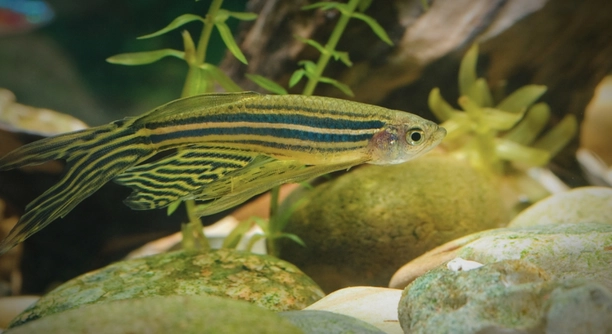
Have you ever watched a group of zebra danios swim together and wondered if there’s more going on beneath the surface?
Zebra danios can show signs of social bonding within their school, but they do not form individual loyalty in the way mammals do. Their behavior is driven by survival instincts, schooling dynamics, and environmental factors rather than personal attachment.
Exploring how these tiny swimmers interact reveals interesting patterns that may shift how we view their relationships and group behavior.
What Loyalty Looks Like in Zebra Danios
Loyalty in zebra danios doesn’t show up the same way it might in dogs or humans. These fish rely on group behavior to stay safe and thrive. Their movements are synchronized, and they tend to stick close to others of their kind. This strong schooling behavior gives the impression of social closeness. While they don’t form emotional attachments, they do become familiar with their environment and the other fish they live with. Over time, zebra danios can display consistent swimming patterns and comfort around their tank mates. This can seem like loyalty, but it’s more about familiarity and reduced stress in known conditions. Zebra danios are quick to recognize their school, and this recognition influences how well they adapt and thrive. The stability of their social setting can impact their activity levels and feeding behaviors, showing how much they rely on group presence—even without emotional ties.
These behaviors suggest a pattern of comfort rooted in routine and group structure.
Their schooling nature makes them appear socially connected, especially when they swim in coordinated formations or show less aggression toward familiar tank mates.
Group Behavior Over Individual Bonds
Zebra danios are naturally drawn to group settings and often show distress when kept alone.
When housed in a group, they form tight schools that move in near-perfect unison. This schooling behavior is not based on personal connections, but rather an instinctive response to their surroundings. It helps reduce anxiety and keeps them alert to threats. Within their group, zebra danios learn to respond to environmental cues based on how others act. Over time, this builds a shared rhythm, where certain fish may appear to lead or guide movement patterns. While they don’t form lasting individual bonds, familiarity within the group creates stability. This stability can influence how they feed, interact, and react to changes in the tank. If a fish is removed or replaced, it can cause a temporary disruption in behavior. Understanding this dynamic is useful for keeping them healthy, as they thrive in groups that offer consistency and a sense of security.
Environmental Influence on Group Dynamics
Zebra danios are sensitive to their environment, and changes in water temperature, lighting, or tank layout can affect how they interact with each other. Stability helps reinforce their schooling behavior and reduces signs of stress.
In a well-maintained tank, zebra danios often display stronger group cohesion and more synchronized swimming. When their surroundings are predictable, they are less likely to separate or become territorial. On the other hand, sudden changes—like rearranging plants or decorations—can make them scatter or act more independently. Even a small shift in water quality might affect their mood and behavior. Maintaining consistent conditions helps build a peaceful group dynamic that mimics their natural habits. Though they don’t form personal bonds, these fish rely heavily on environmental cues to feel safe, which plays a big role in how well they interact with their tank mates and behave within the school.
Keeping their habitat balanced supports both health and social behavior.
When the tank conditions are poor or inconsistent, zebra danios may become more aggressive or withdrawn. This shift can lead to disorganized schooling or isolated individuals. Clean water, steady temperature, and plenty of space help them feel secure. When stress is minimized, they are more likely to stay active, social, and closely grouped. Environmental stability allows them to maintain familiarity with their surroundings and tank mates, which supports healthy behavior patterns. A peaceful setting gives them the structure they need to thrive as a group. It’s not loyalty in the emotional sense, but it’s a steady, observable preference for the comfort of a well-known group and setting.
Social Memory and Familiarity
Zebra danios may not form bonds like mammals, but they do remember their tank mates over time. This social memory helps them respond calmly to familiar individuals and maintain smoother group interactions.
In studies and observed tank settings, zebra danios often show reduced aggression when surrounded by known individuals. They recognize each other through sight and smell, which helps them build a sense of consistency in the group. When a new fish is introduced, the school might become more alert or temporarily disorganized. This shows they are aware of changes and adjust their behavior accordingly. While this doesn’t prove emotional loyalty, it does point to a form of recognition and group stability based on familiarity. Keeping groups stable and avoiding frequent changes helps maintain this social balance. Over time, this sense of comfort with known tank mates creates a smoother, more cooperative dynamic among the fish.
Signs of Social Preference
Zebra danios often swim closer to familiar fish, especially when resting or exploring. This behavior may look like preference, but it’s more about routine and reduced tension with known tank mates. Familiar groups offer a sense of safety.
They also follow specific individuals more often during feeding or changes in activity. This can create a temporary leader-follower pattern, although it’s not based on loyalty. Instead, it reflects comfort in predictable behavior and group stability.
What Happens When a Group Member Leaves
When one zebra danio is removed from the group, the rest may act unsettled. They might scatter more often or appear hesitant when swimming. This shift doesn’t signal emotional attachment, but rather a disruption in their group rhythm. Over time, most adjust as long as the overall environment remains stable. Replacing or adding fish too frequently can cause ongoing stress. That’s why keeping a consistent group helps maintain calm, organized schooling. Though these fish don’t form individual bonds, they rely on familiarity and group presence to feel safe. Too many changes at once can lead to long-term behavioral shifts.
How Zebra Danios React to Newcomers
New fish often receive extra attention when introduced. The group may act more alert, swim faster, or keep a slight distance. This reaction fades as the new member becomes part of their routine.
FAQ
Do zebra danios form friendships with specific fish?
Zebra danios don’t form friendships in the way humans or some mammals do. However, they often show consistent behavior around familiar fish. This includes swimming near the same individuals or following them during feeding. It’s not emotional bonding, but a result of recognizing routine and responding to predictability in their group. Familiar tank mates reduce the need for defensive or nervous behavior, helping the group stay more synchronized. So while it may look like friendship, it’s more about comfort with the known than a deep attachment.
Can zebra danios recognize each other?
Yes, zebra danios can recognize other fish they’ve been housed with for some time. They do this through visual cues and, possibly, scent. Recognition doesn’t mean attachment, but it does affect their behavior. They’re less likely to act aggressive or stressed around familiar fish. When a new fish is introduced, the group dynamic changes slightly as the others take time to observe and adjust. This suggests they know when something’s different and respond accordingly, which supports the idea that they can recognize individual members of their school.
What happens if you isolate one zebra danio from the group?
Zebra danios are social and do poorly when kept alone. Isolation often leads to anxiety, reduced movement, and loss of appetite. Even short periods of being separated can impact their mood and stress levels. They rely on the presence of others for comfort and structure. That’s why it’s recommended to always keep them in groups—preferably five or more—to help them feel secure. Separation disrupts their natural schooling behavior, making it harder for them to maintain regular patterns and social interaction.
Do zebra danios become attached to their environment?
They do get used to their surroundings, especially tank layout, lighting, and water flow. When things change too much or too quickly, zebra danios may act restless or start swimming differently. While they aren’t emotionally attached to decorations or tank setup, they are creatures of habit. A consistent environment gives them structure and security, which supports their group coordination. Rearranging the tank isn’t always harmful, but too many changes at once can confuse the group and cause temporary disorganization in their behavior.
Are zebra danios loyal to their school?
Zebra danios aren’t loyal in the emotional or social sense. They don’t form long-term attachments to specific individuals. Instead, they rely on their school as a survival instinct. The group offers safety and predictability, which is why they prefer swimming with others they know. This behavior might resemble loyalty, but it’s more of a biological response to avoid stress and stay safe. If their group is stable and their tank is consistent, they’re likely to stay with familiar companions out of comfort and familiarity.
How many zebra danios should be kept together?
A group of at least five zebra danios is usually recommended. Smaller groups can lead to bullying or stress, especially if one fish becomes dominant. In a larger group, the attention is more evenly spread, and the fish feel safer. Larger schools also help support their natural swimming patterns, making them appear more relaxed and synchronized. Keeping them in even numbers and avoiding overcrowding is important for their health and behavior. A peaceful group structure often depends on enough space and enough fish to reduce tension.
Do zebra danios show sadness when another fish dies?
Zebra danios don’t grieve like humans or some mammals, but they do show changes in behavior after a fish dies. You might notice restlessness, slower swimming, or an unorganized school. These changes aren’t about sadness but rather a response to the shift in their group. Over time, they adapt to the new structure. Replacing a lost fish can help restore balance, but it’s best to introduce new members gradually to avoid stressing the rest of the group.
Can zebra danios remember stressful experiences?
Yes, they can remember and react to past stressors. If they were chased, handled roughly, or exposed to poor water conditions, they might act cautiously or avoid certain parts of the tank. Their memory isn’t complex, but it’s enough to influence short-term behavior. Rebuilding their trust in their environment can take time. Stable conditions and gentle handling help reduce long-term stress. Providing a calm setting is key to helping them return to normal schooling behavior and interactions with their tank mates.
Final Thoughts
Zebra danios are known for being active and social fish that prefer to live in groups. While they don’t form emotional bonds the way humans do, they do show signs of comfort and familiarity within their school. These small fish rely on their group to feel safe and to behave normally. When kept in a stable group, they are more relaxed, follow routines, and interact in ways that suggest a level of trust in their surroundings. Their schooling behavior is based on survival instincts, but it can also look like a form of social connection, especially to someone observing them in a calm tank.
They may not show loyalty in the traditional sense, but they still benefit from familiar faces in their group. When housed with the same fish for long periods, zebra danios display more stable and predictable behaviors. They are less likely to act aggressive or restless, and they tend to move together more smoothly. Changes in their school, such as the loss or addition of a fish, can affect how they behave. These changes usually don’t last long, but they do show that zebra danios are aware of the dynamics around them. While not emotional, their responses to familiar fish show how important consistency is to their overall well-being.
Keeping zebra danios in a group that’s large enough to support their natural behavior is one of the most important things you can do for their health. A group of five or more gives them a sense of structure and helps reduce stress. A consistent environment, gentle handling, and enough space allow their group to stay balanced. Though they might not form deep attachments, zebra danios clearly rely on each other to thrive. Their schooling habits may be simple, but they serve an important purpose in helping these fish stay active, social, and calm in their environment. Understanding these patterns can help you care for them in a way that supports both their physical and behavioral needs.

Hello,
If you enjoy the content that we create, please consider saying a "Thank You!" by leaving a tip.
Every little bit helps us continue crafting quality advice that supports the health, happiness, and well-being of pets around the world, for pets of all shapes, sizes, and species.
We really appreciate the kindness and support that you show us!