
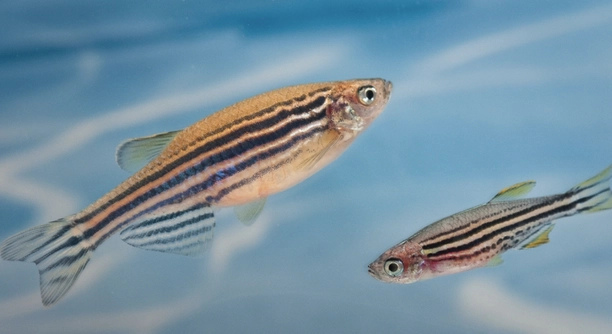
Have you ever watched your zebra danios after the lights go out and noticed how their behavior changes in subtle, interesting ways?
Zebra danios display unique nighttime behaviors linked to their natural rhythms, environmental awareness, and group dynamics. Observing them after dark can reveal hidden aspects of their health, social interaction, and overall well-being.
Their nighttime habits offer more insight than you might expect, and each reason highlights something new about how they interact with their environment.
They Become Calmer and Less Aggressive
Zebra danios are known for their fast swimming and active daytime behavior, often chasing one another or darting across the tank. At night, their energy slows down noticeably. The reduced lighting mimics a natural environment and signals rest time. As a result, aggressive or dominant behavior lessens. This is helpful for tanks with mixed fish, where chasing during the day can cause stress. Observing them at night can help you determine whether any fish are hiding due to daytime tension. Nighttime behavior also gives you clues about how well your tank environment supports healthy rest cycles.
Most danios settle near the lower or middle sections of the tank, minimizing movement and interaction with other fish.
This calmer state offers a clear opportunity to check if they’re struggling with stress or aggression. Nighttime peace means your tank is set up properly, with enough space, cover, and compatible tank mates. If they remain restless, changes may be needed.
Subtle Signs of Illness Are Easier to Spot
Some health issues don’t show clearly when zebra danios are active. At night, subtle signs become more noticeable as their behavior slows.
Zebra danios tend to mask weakness during the day due to their high activity and social patterns. At night, they’re less stimulated by movement or interaction, so if something is wrong, it shows more clearly. A fish floating near the surface or resting oddly at the bottom could be showing early signs of stress, infection, or swim bladder issues. Labored breathing or loss of color also becomes more obvious. This quiet time allows you to observe without distractions and assess any changes. It’s a practical time to evaluate how your fish are doing overall. Regular observation during the night helps you notice patterns early. When issues are caught in time, the chances of proper recovery and treatment improve, and it becomes easier to maintain the balance of your tank without disruption.
Their Sleeping Positions Tell You a Lot
Zebra danios usually hover in place or settle near the bottom when they sleep. These positions can reveal how comfortable and safe they feel in their environment.
Fish that sleep in unusual places, such as near the surface or behind the filter, may be avoiding strong currents or trying to hide from light. This can point to tank issues like poor water flow or too much brightness. On the other hand, danios that group together and rest quietly usually feel secure. Any fish that floats sideways or struggles to stay in position could be experiencing a health issue. Pay attention to consistency—if the same fish behaves oddly every night, it’s likely not just a one-time event. Keeping track of where and how they sleep helps make sure your tank setup supports their well-being and comfort throughout the night.
Sleep patterns also help monitor stress levels. Fish that don’t settle at night or dart suddenly when lights are off may not feel safe. This could be due to a lack of hiding places or a noisy room that disrupts their rest. A proper day-night cycle matters, and the way your danios respond when it’s dark gives you reliable clues. Watching sleep behavior regularly builds awareness of what’s normal for your fish.
Lighting Changes Their Behavior
Zebra danios respond quickly to changes in lighting. A sudden switch from bright to dark often causes quick movement, which can look like panic.
A gradual dimming of light, rather than an abrupt shutoff, helps them transition smoothly to their nighttime routine. This soft change gives them time to find calmer areas in the tank and settle into resting behavior. It also reduces the chance of injury from sudden darting movements. You can use a timer or dimmer setting to keep things consistent. These details may seem small, but they affect how relaxed your danios feel. Watching their reactions to lighting can also show if your current schedule works well for them.
Over time, consistent lighting routines help reinforce a regular pattern of rest and activity. Sudden lighting disruptions, especially at night, may confuse your danios and keep them alert when they should be winding down. Light exposure also impacts their internal clock. Like many fish, zebra danios depend on lighting cues to regulate their daily rhythms. If your lighting is too bright at night or unpredictable, it can affect their sleep, feeding patterns, and stress levels. Creating a stable, quiet nighttime setting not only helps them sleep but supports their overall behavior and health.
Some Are More Active Than Others
Not all zebra danios slow down completely at night. Some remain lightly active, especially younger or more dominant individuals. This activity can help identify which fish take on leadership roles or stay alert even during resting hours.
These active ones may be responding to light from the room, tank placement, or mild water movement. Tracking these patterns over time helps you adjust your setup to reduce disruption and support rest for the whole group.
Food Behavior May Change After Dark
Some zebra danios may start looking for leftover food after lights go out, especially if they didn’t eat well earlier. This behavior is worth watching, as it can show whether certain fish feel too stressed to compete during regular feeding. If only a few are eating in the dark, it may signal a need for a new feeding routine or a change in how you deliver food. Using this time to observe which fish are eating and which aren’t helps prevent long-term issues like weight loss or nutrient imbalance. Nighttime food behavior also gives insight into pecking order, feeding confidence, and possible health concerns.
They May Follow Light Reflections
Occasional movement during the night may be triggered by soft reflections or faint room lights. These distractions can cause brief bursts of swimming or slight chasing behavior if the tank isn’t in a fully darkened space.
FAQ
Why do zebra danios swim in circles at night?
Zebra danios may swim in circles at night due to the combination of their natural instincts and the quiet environment. When the lights are off, they become less distracted and may engage in repetitive behaviors. This circling is often a form of exploration or a way to find a comfortable resting spot. It can also be a sign of slight agitation, especially if the tank is too small or if there is not enough space for them to move freely. If circling becomes constant, it may indicate stress or a need for more stimulation during the day.
Is it normal for zebra danios to stop moving at night?
Yes, it is completely normal for zebra danios to become less active at night. They are diurnal fish, meaning they are most active during daylight hours and rest during the night. When the lights go off, they tend to become calmer, slowing down their movement. This is their natural sleep cycle, and it’s a sign that they feel secure in their environment. However, if a zebra danio remains stationary for long periods or shows signs of distress, such as floating sideways or struggling to swim, it may indicate an underlying health issue.
Do zebra danios sleep with their eyes closed?
Zebra danios do not have eyelids, so they cannot close their eyes to sleep like humans do. Instead, they enter a state of rest where their activity decreases significantly, but their eyes remain open. You may notice that they hover near the tank’s bottom or stay still in the middle of the tank when they sleep. While they don’t have eyelids, their sleep is still a crucial part of maintaining overall health and well-being. If a zebra danio appears excessively lethargic or disoriented, it might be an indication that it is not getting enough rest or could be ill.
How can I tell if my zebra danio is stressed at night?
Stress in zebra danios can show up through several behaviors, even at night. If a zebra danio is swimming frantically or darting around the tank without stopping, it could be a sign of stress. Similarly, if the fish is hiding behind decorations, staying near the surface, or acting unusually reclusive, it might indicate a stressful environment. Common causes of stress include poor water quality, inadequate tank size, incompatible tank mates, or sudden changes in lighting or temperature. By observing their behaviors at night, you can often catch stress-related issues early.
What is the ideal lighting schedule for zebra danios?
Zebra danios thrive on a consistent lighting schedule that mimics natural day and night cycles. Ideally, the tank should receive about 10 to 12 hours of light per day, followed by 12 to 14 hours of darkness. This helps maintain their circadian rhythms and promotes a healthy sleep cycle. Sudden changes in light or leaving the tank lights on for too long can disturb their natural rhythm, leading to stress or sleep disruption. It’s best to use a timer to ensure consistent lighting that helps regulate their behavior and overall health.
Should I worry if my zebra danios are active at night?
Zebra danios are generally more active during the day, but some may continue light activity at night. This can be normal behavior, especially if they are young or naturally more energetic. However, if they remain overly active or seem anxious throughout the night, it could indicate stress or an environmental issue, such as water quality problems or tank overcrowding. It’s important to monitor their activity levels and look for any signs of discomfort or unusual behavior, such as erratic swimming or aggression. If the nighttime activity appears excessive or persistent, consider adjusting their environment or consulting with an expert.
Why do my zebra danios sometimes swim upside down at night?
Zebra danios swimming upside down at night is often a sign of a health issue, such as a swim bladder disorder or infection. The swim bladder controls buoyancy, and any malfunction can cause the fish to lose its ability to maintain proper orientation. While it can sometimes be a natural behavior in certain situations, such as a peaceful night’s rest, persistent upside-down swimming should be addressed. If the behavior continues, it may be a good idea to check the water quality, adjust the diet, and possibly isolate the affected fish to prevent the spread of disease.
Can zebra danios sleep in a dark tank?
Zebra danios do not require complete darkness to sleep, but they do need a period of reduced light to rest properly. In fact, complete darkness might make them feel insecure or stressed. A dimly lit environment works best for their sleep cycle, as it mimics natural twilight conditions. If you prefer to keep your tank dark at night, make sure that there is some ambient light in the room so the fish do not feel too disoriented. However, too much light can disrupt their rest, so finding a balance is key.
Is it okay for zebra danios to be in a tank with no lid at night?
A tank without a lid can be problematic for zebra danios, especially at night. These fish are known for being active and may jump out of the tank if they feel startled or unsafe. At night, even though they tend to calm down, they may still react to sudden movements or changes in the environment. A secure tank lid helps prevent escape and ensures the fish stay safe. Additionally, a lid can help maintain consistent temperature and humidity, which are crucial for the health of your zebra danios.
How can I tell if my zebra danios are getting enough rest at night?
Zebra danios should appear calm and relaxed at night, and their behavior should be less erratic than during the day. If they seem to rest comfortably in a specific spot in the tank, it’s a sign they are getting adequate rest. If a zebra danio is frequently swimming or staying active throughout the night, it could be an indication that it’s not getting the proper rest it needs. Over time, keeping track of their sleep behavior will help you determine whether your tank setup is conducive to their well-being.
Final Thoughts
Zebra danios are fascinating fish to observe, and watching them at night can reveal much about their behavior. These small, active fish follow natural rhythms, becoming less active in the dark but still engaging in some level of activity. The most important factor to consider when watching them at night is ensuring their environment is peaceful and stable. Any disruptions, such as fluctuating water temperature or improper lighting, can impact their rest and overall health.
Although zebra danios tend to rest at night, it is important to pay attention to their nighttime behavior. Light movements or swimming in circles are usually normal, but excessive activity or signs of distress can indicate potential issues. Tank placement, water quality, and tank mates all play a role in how your zebra danios behave after the lights go out. Maintaining a consistent routine and a calm environment is essential for their well-being.
By understanding their sleep and activity patterns, you can ensure that your zebra danios thrive in their environment. It’s crucial to observe them regularly, as subtle signs of stress or discomfort can often be spotted during these quiet hours. As long as the environment is conducive to their natural rhythms, zebra danios should remain healthy, active during the day, and calm at night.

Hello,
If you enjoy the content that we create, please consider saying a "Thank You!" by leaving a tip.
Every little bit helps us continue crafting quality advice that supports the health, happiness, and well-being of pets around the world, for pets of all shapes, sizes, and species.
We really appreciate the kindness and support that you show us!