
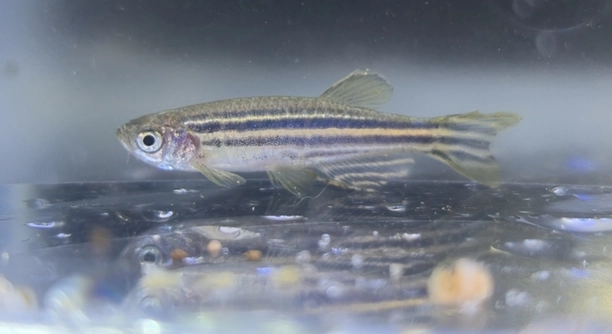
Do your zebra danios often gather closely near the heater in your aquarium, especially during colder months or sudden temperature changes? This behavior can seem concerning or even puzzling at first glance.
Zebra danios huddle around the heater primarily to maintain their body temperature. As ectothermic animals, their internal temperature depends on their surroundings, and they instinctively seek warmth when the tank environment becomes too cold for comfort.
Recognizing this behavior can help you assess tank conditions and make adjustments. Understanding the reasons behind it supports better care for your fish’s health and comfort.
Why Zebra Danios Seek Out Heat
Zebra danios are small, active fish that rely on their environment to regulate body temperature. When water becomes too cold, they may instinctively group near the heater to stay warm. This behavior is especially noticeable if the room temperature drops or if the heater isn’t distributing heat evenly. It’s important to remember that even though these fish are hardy, sudden changes in water temperature can stress them. If multiple danios consistently hover near the heater, it’s a sign to check your tank’s temperature levels and circulation. A consistent, well-balanced environment helps reduce stress and supports healthy behavior. Danios prefer a temperature range of 72°F to 78°F. When it drops below this, their activity levels decrease, and they tend to huddle for warmth. Monitoring your aquarium with a reliable thermometer and ensuring proper heater placement can make a noticeable difference in your fish’s comfort and activity.
This warming behavior usually signals that the tank is too cool for their liking.
If your heater is not warming the tank evenly, the fish may stay close to it. In some tanks, especially those that are tall or have limited circulation, cold spots can form. In these situations, zebra danios will instinctively group together near the heat source. It helps them stay within their preferred temperature range and remain active. It’s helpful to check if the tank’s filtration system is strong enough to circulate warm water throughout. Adding a small circulation pump can also help. When the heat is distributed more evenly, danios return to swimming in open areas and exploring the tank more freely. It’s also good to check the wattage of your heater. A heater that’s too small for the tank’s size will struggle to maintain warmth, especially in colder months. Making these small changes helps reduce stress and supports healthy schooling behavior.
Other Signs to Watch For
When water is too cold, zebra danios may also become less active or hide more often than usual.
You might notice they stop swimming as actively or lose interest in feeding. These are signs their environment is not ideal. Danios thrive in stable water conditions, so temperature shifts can affect their health and routine. If your tank frequently experiences cold drafts or sits near a window, even a good heater may struggle. Try repositioning the tank or insulating it slightly with a background or cover. Make sure the heater is fully submerged and positioned to allow warm water to flow throughout the tank. Using two smaller heaters on opposite sides of the tank can sometimes work better than one large one. This helps maintain even temperatures and prevents clustering near a single warm spot. Paying attention to your danios’ behavior and adjusting their setup as needed helps them stay active and healthy. They’re more enjoyable to watch when they’re not clumped together by the heater.
Adjusting the Tank Setup
Check if the heater is properly rated for your tank size. A heater that’s too small may not keep the entire tank at a stable temperature, especially in cooler environments or during seasonal changes.
Placement also matters. Position the heater near the filter output to help circulate warm water throughout the tank. This ensures that heat isn’t trapped in one spot and spreads evenly. Using a thermometer on the opposite side of the tank helps you verify consistent temperature levels. If you notice large differences, consider adding a second heater or a small circulation pump to balance it out. Tall tanks or those with lots of decorations may have colder zones where heat doesn’t reach effectively. Repositioning plants or ornaments to improve water flow can help. The goal is to create a stable, evenly heated environment that discourages fish from clustering in one spot for warmth.
It also helps to insulate the tank slightly if it’s placed near windows or exterior walls. Cold drafts or nighttime temperature drops can impact water warmth, especially in glass tanks. Using an aquarium background or foam insulation on the back and sides of the tank can reduce heat loss. A tight-fitting lid also helps trap warmth inside, reducing fluctuations. Monitoring the temperature at different times of the day can reveal if the tank cools overnight. Consistent readings mean less stress for your fish. In colder climates, raising the room temperature slightly might make a difference. Danios respond well to stable warmth, so small environmental tweaks often go a long way in improving their behavior and comfort levels.
Long-Term Comfort Tips
Maintaining water circulation is key to keeping the entire tank evenly heated. Filters with strong flow help move warm water around, preventing cold spots and encouraging natural swimming patterns. This keeps zebra danios active and less likely to huddle.
Use reliable equipment that’s appropriate for your tank’s dimensions. Larger tanks may need two heaters placed at opposite ends to balance heat properly. It’s helpful to calibrate your heaters and confirm they are functioning as expected with a separate thermometer. Consider setting up a weekly routine to monitor temperature, inspect heater performance, and clean the filter to keep circulation strong. Consistency matters more than exact numbers; slight changes in water temperature can impact your fish’s behavior and stress levels. Zebra danios prefer a steady, mild warmth. By maintaining equipment and avoiding sudden shifts, you’ll create a calm, comfortable space for your fish to swim freely, instead of crowding near the heater.
Checking for Hidden Issues
Sometimes, zebra danios crowd around the heater due to stress from poor water quality. Ammonia spikes, high nitrites, or unstable pH can cause discomfort, leading them to seek out a warm, stable zone near the heater.
Illness can also play a role. If one or more danios are feeling unwell, they may linger near the heater for comfort. Watch for signs like clamped fins, pale color, or slow movement. Testing water parameters regularly and doing partial water changes can help rule out these issues quickly.
Monitoring Behavioral Patterns
Observe when the huddling happens. If it only occurs at night or during cold mornings, your tank may be experiencing temperature swings. Use a digital thermometer to track fluctuations across a full 24-hour period. Avoid placing tanks near windows, vents, or drafty areas that cause sudden changes. Stable surroundings help maintain a healthier environment.
Making Small Adjustments
A few small changes in tank setup, equipment, or water care can make a big difference. Zebra danios do best in steady, warm conditions with plenty of space to swim freely.
FAQ
Why do my zebra danios always stay near the heater, even when the water feels warm enough?
If zebra danios consistently gather near the heater despite the tank feeling warm, the water might not be circulating evenly. A warm spot near the heater doesn’t always mean the whole tank is warm. Use a thermometer on the opposite side to check for differences. Poor water flow, an underpowered heater, or cold drafts in the room can cause uneven temperatures. Also, keep in mind that zebra danios are sensitive to even slight fluctuations in temperature. If one side is cooler, they will naturally seek the most stable and comfortable zone they can find—often near the heater.
Is this behavior harmful or dangerous to the fish?
This behavior isn’t always dangerous, but it can be a sign that something needs adjusting. When fish cluster around the heater, it may lead to unequal swimming activity and even stress if the rest of the tank is too cold. Over time, this can affect their health and immune system. It may also reduce their natural behaviors like schooling and swimming in open areas. Keeping the temperature consistent throughout the entire tank helps prevent this. A well-balanced environment encourages movement and interaction across the tank, not just near the heater.
Could it be a sign that the heater is malfunctioning?
Yes, it could. Sometimes, heaters don’t distribute heat evenly or may only warm a small section of the tank. Others might overheat or fail to reach the set temperature. If your zebra danios stick close to the heater for long periods, double-check the heater’s performance. Use a reliable, separate thermometer to compare the reading. If there’s a big difference between the displayed temperature and the actual water temperature, it may be time to replace or recalibrate the heater. Faulty equipment can cause unnecessary stress and harm if left unaddressed.
How do I know if my tank has cold spots?
To check for cold spots, place additional thermometers in different areas of your tank. Compare the readings at various times during the day. If you notice lower readings far from the heater, your tank has uneven heating. Rearranging the heater placement or adding a second heater on the opposite side can help. You can also improve water flow with a powerhead or a filter that circulates better. Decorations, plants, or substrate buildup can block water movement and create cold pockets, so consider adjusting your layout if needed.
What temperature is best for zebra danios?
Zebra danios thrive best in water temperatures between 72°F and 78°F (22°C to 26°C). They can tolerate a wider range, but consistent temperatures in this zone help them stay active and healthy. Temperatures that drop below this range may lead to sluggish behavior or illness. Keeping the tank in a stable range—without daily ups and downs—is more important than achieving an exact number. A reliable heater and thermometer setup is key, especially during colder months or in air-conditioned rooms.
Can poor water quality cause them to huddle together?
Yes, poor water conditions can make zebra danios uncomfortable, and they might group near the heater where it feels safer or more stable. High ammonia or nitrite levels, unstable pH, or a buildup of waste can cause physical stress. Regular water tests and weekly partial water changes help prevent this. Clean your filter and check for trapped debris that may be affecting water flow or quality. A healthy tank environment supports better behavior and reduces the need for your fish to find refuge near the heater.
Is it normal for them to do this when the lights are off?
It can be. Some zebra danios rest more during the night and may stay near the heater if the surrounding water cools a bit without the lights on. This is more likely in rooms that drop in temperature overnight. Adding insulation around the tank or adjusting the room temperature can reduce these changes. Keep an eye on behavior during both day and night to spot patterns. If they’re always near the heater regardless of the time, further investigation into tank conditions may be necessary.
What if only one fish stays near the heater?
If only one zebra danio is staying near the heater, that individual may be unwell or feeling stressed. Look for other symptoms such as lethargy, color loss, or changes in appetite. It might be trying to regulate its body temperature by staying close to warmth. Separating it temporarily in a quarantine tank may help if illness is suspected. Be sure to test your water and observe the rest of the fish. If everyone else is acting normally, it may be a case of isolated stress or illness.
Can adding a second heater really make that much of a difference?
Yes, especially in larger tanks. A second heater helps distribute warmth more evenly and reduces the workload on a single unit. Place it on the opposite end of the tank from the first heater. This setup creates a more stable temperature across the entire tank. It also helps protect the tank from unexpected drops if one heater stops working. Consistent heat keeps your zebra danios comfortable and encourages them to use the entire tank rather than clustering near the warmer area.
Do zebra danios like warm water more than other fish?
Zebra danios are not tropical fish in the same way some other species are, but they do prefer a warm, stable environment. Their tolerance range is fairly broad, which makes them hardy, but fluctuating temperatures can still lead to stress. Compared to some tropical fish, they are more tolerant of cooler temperatures, but they still do best when the water is kept comfortably warm and consistent. A well-maintained setup with the right heater will support their active, social behavior.
Final Thoughts
Keeping zebra danios comfortable in their tank is about more than just setting the right temperature. Even though they are hardy fish, they still react to their surroundings. If they stay close to the heater, it often means something in the tank isn’t working well for them. This could be poor water circulation, uneven heat, or even stress from changes in water quality. These little signs matter. Paying attention to where they swim or rest during the day can help spot issues early. You don’t need to make drastic changes right away, but it helps to check your setup closely when you notice these patterns.
Sometimes it’s easy to think everything is fine just because the water looks clear. But clean-looking water doesn’t always mean the temperature or quality is right. A thermometer, especially one placed away from the heater, gives better insight. If the temperature is not consistent throughout the tank, that can affect the way fish behave. Adding a second heater or adjusting filter flow can help balance things out. Zebra danios prefer swimming across the whole tank, not just gathering in one area. So, if they seem to hang near the heater for too long, they may be reacting to something they’re not comfortable with.
Creating a balanced tank is about keeping things simple and steady. Make sure the tank stays clean, the temperature is even, and the fish are active and healthy. Small checks, like watching where they rest or how they swim, can make a big difference over time. Every tank is different, and it takes some trial and error to figure out what works best. But staying patient and adjusting slowly helps prevent stress for the fish. Zebra danios usually respond well to improvements, and once the environment feels right to them, their behavior often returns to normal. This shows how even small changes can lead to a healthier tank overall.

Hello,
If you enjoy the content that we create, please consider saying a "Thank You!" by leaving a tip.
Every little bit helps us continue crafting quality advice that supports the health, happiness, and well-being of pets around the world, for pets of all shapes, sizes, and species.
We really appreciate the kindness and support that you show us!