
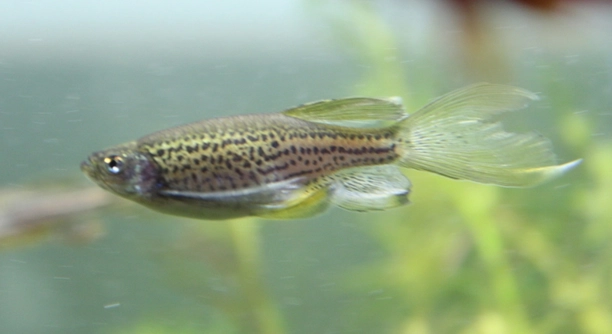
Zebra Danios are lively, small fish known for their energetic swimming and social behavior. However, if your zebra danio refuses to move, it can be a concerning issue for any aquarium keeper.
Several factors could cause a zebra danio to become inactive, including poor water quality, stress from tank mates, or underlying health problems. Environmental conditions such as temperature fluctuations or inadequate hiding spaces may also contribute to their reluctance to move.
Addressing these issues can help your zebra danio regain its normal activity. Understanding the reasons behind their stillness is key to improving their well-being.
Poor Water Quality
If your zebra danio isn’t moving, the first thing to check is the water quality. Zebra Danios are sensitive to changes in their environment, and poor water conditions can cause them to become sluggish. Ammonia, nitrite, and nitrate levels should be monitored regularly. If they rise too high, it can stress the fish and make them less active. Water temperature is also important—zebra danios prefer water between 64-75°F (18-24°C). If the water is too warm or cold, it can affect their health and movement.
Testing your tank’s water regularly and keeping it clean is essential to maintain a healthy environment for your fish. A sudden change in water parameters, such as a spike in ammonia, can cause lethargy or even illness in zebra danios. Regular water changes, proper filtration, and monitoring will help keep your fish active.
For best results, aim for consistency in your tank’s water conditions. Keeping track of water changes and testing levels frequently can prevent your zebra danio from becoming inactive due to poor water quality.
Stress from Tank Mates
Tank mates can play a significant role in your zebra danio’s behavior. These fish are generally peaceful and thrive in groups. If they feel threatened or stressed by aggressive tank mates, they might stop swimming and remain motionless. Fish that are too large, territorial, or active can intimidate your zebra danio and reduce its willingness to move.
Stress can be alleviated by ensuring your zebra danio is in a suitable community tank with compatible species. If other fish are causing stress, it might be time to rearrange the tank or introduce more hiding places. Having enough space and creating a calm environment will encourage your zebra danio to swim more freely.
Water Temperature Fluctuations
Temperature changes can cause zebra danios to become inactive. If the water temperature fluctuates too much, your fish may feel uncomfortable or stressed. Zebra danios prefer stable water temperatures between 64-75°F (18-24°C). Anything outside of this range can make them sluggish.
When water temperatures shift too dramatically, your zebra danio may not have the energy to swim. It’s important to use a reliable aquarium heater and thermometer to maintain a consistent temperature. Avoid placing the tank in a location where it is exposed to drafts or direct sunlight, as this can cause rapid temperature shifts.
Small, sudden changes in temperature can easily stress your zebra danio. Keeping the water temperature stable and comfortable will encourage more movement and overall well-being for your fish. If the temperature is right, your zebra danio will be more active and happier in its environment.
Illness or Injury
If your zebra danio is staying still, illness or injury could be the reason. Fish are known to hide symptoms of sickness until it becomes severe. Symptoms like lesions, bloating, or abnormal behavior can indicate health problems. Any of these issues could cause your fish to stop swimming.
Check for signs of common diseases like ich or fin rot. These conditions can cause discomfort, leading your zebra danio to stop moving. Also, consider whether it has any physical injuries, like torn fins or scrapes, that might make it avoid swimming. Isolating sick fish and providing them with proper treatment can help them recover faster.
A zebra danio that is unwell or injured will need a stable and clean environment to heal. Providing treatment quickly and monitoring their recovery is key to ensuring your fish stays healthy and starts swimming again.
Inadequate Tank Size
A cramped tank can cause your zebra danio to feel restricted, which leads to inactivity. These fish are active swimmers and need plenty of space to explore. If your tank is too small, your fish may become lethargic due to limited movement.
Zebra danios need at least 10 gallons of water for a small group. A larger tank will provide them with more room to swim, and they’ll feel less stressed. It’s essential to avoid overcrowding your tank to maintain a healthy and active environment for your fish. A spacious tank will encourage more movement.
Poor Tank Maintenance
Dirty tanks can stress zebra danios, leading to inactivity. If water filters are clogged or the substrate is dirty, harmful toxins can build up. This can create an environment that causes lethargy. Regular cleaning and filter maintenance are essential.
Cleaning the tank, performing water changes, and ensuring the filter is working properly can help maintain a clean environment. A clean tank helps keep water conditions optimal, making your zebra danio feel more comfortable and encouraging movement. When maintained properly, your fish will thrive and show more active behavior.
Overfeeding
Overfeeding can make your zebra danio sluggish. When fish are given too much food, they may not be able to digest it all. Excess food can pollute the water, creating a stressful environment. This can lead to inactivity.
Feeding your zebra danio small amounts of food once or twice a day will prevent overfeeding. Be mindful of what’s left in the tank after feeding. Leftover food can decay and affect water quality. Keeping your feeding routine consistent will keep your fish healthy and active.
FAQ
Why is my zebra danio staying at the bottom of the tank?
Zebra danios staying at the bottom of the tank can indicate various issues. It could be a sign of stress, poor water quality, or illness. They may also seek the bottom for shelter if they feel unsafe. To address this, check the water parameters, ensure the tank is clean, and ensure there are no aggressive tank mates. If the issue persists, observe for any signs of illness or injury.
What is the ideal water temperature for a zebra danio?
Zebra danios thrive in water temperatures between 64°F and 75°F (18°C – 24°C). Temperatures outside this range can cause stress and inactivity. If the water is too hot or too cold, it can lead to lethargy or even illness. Use a reliable aquarium thermometer and heater to maintain a stable temperature.
How can I tell if my zebra danio is stressed?
Stressed zebra danios may display abnormal behaviors, such as hiding, staying still for extended periods, or swimming erratically. They might also show signs of aggression toward other tank mates or exhibit rapid breathing. Poor water conditions, overcrowding, and aggressive tank mates can all contribute to stress. Regular tank maintenance and monitoring of water quality are key to reducing stress.
Can zebra danios live with other species of fish?
Yes, zebra danios are generally peaceful and can live with many other species. However, it’s important to avoid keeping them with aggressive or overly large fish. Choose tank mates that are similar in size and temperament. Good options include other small peaceful fish like tetras, guppies, or rasboras. Always monitor for signs of stress or aggression.
How often should I feed my zebra danio?
Zebra danios should be fed small amounts of food once or twice a day. Overfeeding can lead to health problems, like bloating and poor water quality. Offer them only as much as they can eat in a few minutes. It’s best to feed a variety of high-quality foods like flakes, pellets, and occasional live or frozen treats. Be sure to remove any uneaten food to maintain water quality.
Why isn’t my zebra danio moving much?
If your zebra danio isn’t moving, the cause could be poor water quality, temperature fluctuations, stress from tank mates, or illness. Check the water parameters (ammonia, nitrites, and nitrates), ensure the temperature is stable, and observe for any signs of aggression from other fish. If the behavior continues, examine your fish for any physical signs of illness or injury.
How can I improve the water quality in my tank?
To improve water quality, perform regular water changes (about 25% every week or two) and clean the filter to remove excess debris. Test the water frequently for ammonia, nitrites, and nitrates. Ensure your filtration system is appropriately sized for the tank. Adding live plants can also help maintain water quality by absorbing excess nutrients. Avoid overfeeding, as leftover food can pollute the water.
What should I do if my zebra danio is showing signs of illness?
If your zebra danio shows signs of illness, such as lesions, swollen belly, or odd swimming behavior, isolate it from other fish in a quarantine tank. Assess the water conditions to ensure they are optimal. Treat the illness based on the symptoms, such as using medication for parasites or bacterial infections. If unsure of the diagnosis, consult a vet or an aquarium specialist.
Can zebra danios be kept in a community tank?
Yes, zebra danios are great candidates for a community tank. They’re social and do well with other peaceful species. Just make sure to avoid aggressive fish that might stress them out. Also, ensure the tank is large enough to accommodate multiple species without overcrowding. Zebra danios thrive in schools, so having a group of them helps reduce stress and keeps them more active.
Do zebra danios need a filter?
Yes, zebra danios need a filter to keep the water clean and ensure proper oxygenation. A filter helps remove toxins and excess waste, preventing water quality issues that could harm your fish. Make sure the filter is appropriate for the tank size and doesn’t create too much current, as zebra danios prefer calm water. Regularly clean and maintain the filter to keep it running efficiently.
Final Thoughts
Zebra danios are resilient and active fish, but when they refuse to move, it’s often a sign that something is wrong. The cause can range from poor water quality and temperature fluctuations to stress, illness, or even tank size. Understanding these factors can help you identify the root of the problem and address it. A well-maintained tank with the right water conditions is crucial for keeping your zebra danios happy and healthy. Ensuring they have plenty of space to swim and a consistent environment will encourage them to be more active.
If you notice your zebra danio staying still or at the bottom of the tank, take a closer look at the environment. Test the water temperature, check for any signs of illness, and observe if there are any aggressive tank mates. Overfeeding can also be a factor, as excess food can pollute the water and make your fish sluggish. Small changes, like adjusting the temperature, cleaning the tank, and feeding appropriately, can have a significant impact on your fish’s behavior. Regular water changes and monitoring tank conditions will help prevent many of the issues that can lead to inactivity.
Zebra danios are usually quite hardy, and with proper care, they should thrive in a well-kept aquarium. If you notice any persistent issues, don’t hesitate to consult a professional or do more research on how to improve your tank setup. Addressing potential problems early can prevent stress and other complications for your fish. Once the environment is right, your zebra danio should return to its active and playful self. Keep monitoring the tank conditions and make adjustments as needed to ensure your fish remain healthy and happy in the long run.

Hello,
If you enjoy the content that we create, please consider saying a "Thank You!" by leaving a tip.
Every little bit helps us continue crafting quality advice that supports the health, happiness, and well-being of pets around the world, for pets of all shapes, sizes, and species.
We really appreciate the kindness and support that you show us!