
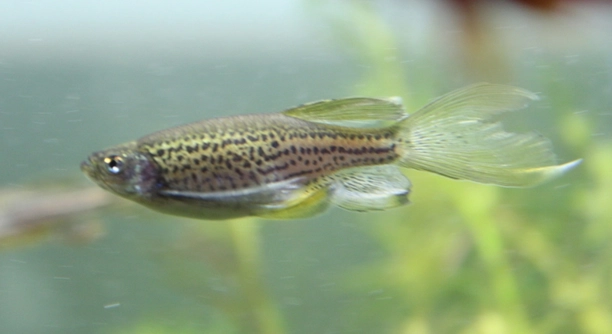
Zebra Danios are a popular freshwater fish known for their energetic personalities and unique social behaviors. One of the most fascinating aspects of their behavior is the formation of a pecking order. Understanding these signs can help you observe and care for them better.
Zebra Danios establish a pecking order to maintain social structure within their group. The most dominant fish often exhibit more aggressive behavior towards others, using body movements or chasing to assert their position.
By learning about their pecking order, you’ll better understand your Zebra Danios’ behavior. Knowing these clues will help you ensure a healthy and balanced environment for your fish.
The First Clue: Chasing Behavior
Chasing is a clear indicator that Zebra Danios are establishing a pecking order. The dominant fish will chase others around the tank to assert its position. This behavior is often brief but noticeable. Fish being chased might dart away quickly or even hide in plants or corners to escape. It’s common to see one or two individuals consistently chasing others, reinforcing their place at the top. Sometimes, this chasing might seem intense, but it’s typically not harmful. It’s simply how they communicate within their social structure. If you observe these interactions, you’ll see a pattern emerging, with specific fish taking charge.
The chasing behavior typically involves fast, darting movements. Fish that are less dominant tend to stay near the back or bottom of the tank to avoid being caught.
While this behavior may look concerning, it is usually harmless. The dominant Zebra Danio is not attacking the others, but rather asserting its status within the group. It’s part of their natural social dynamics. You might notice that the more dominant fish display confident swimming patterns and keep a noticeable distance from those they have already chased. Over time, this behavior can become less intense as the social hierarchy stabilizes. However, if it seems excessive or results in visible damage to the fish, it’s worth considering the tank environment. More hiding places, plants, and a larger tank can provide comfort and reduce stress among the fish.
The Second Clue: Fin Nipping
Fin nipping is another sign of Zebra Danios forming a pecking order. This behavior often involves the dominant fish taking small bites at the fins of the less dominant ones. Although it seems aggressive, it is rarely harmful unless it becomes persistent. Fin nipping usually serves as a way for the more dominant fish to maintain control. If you notice a pattern of fin nipping, particularly from one fish, it could indicate that a pecking order is forming in your tank.
Fin nipping usually isn’t serious, but it’s important to monitor.
In most cases, fin nipping is a normal part of Zebra Danios’ social interactions. It’s a method for dominant fish to establish their position without causing severe harm. However, it can lead to stress if it happens too often or if the nipped fish begin to show signs of injury. If you see the fin nipping becoming excessive, consider adding more hiding spots or rearranging the tank to reduce stress. This can help the fish avoid frequent confrontations and allow them to establish a more peaceful pecking order. You could also add more Danios to spread out aggression or offer more space to reduce the chances of one fish becoming overly dominant.
The Third Clue: Body Posturing
Body posturing is another sign that Zebra Danios are forming a pecking order. Dominant Danios will often display their fins fully, holding their bodies upright or rigid when interacting with others. This posture signals strength and control, sending a clear message to other fish. Less dominant individuals may avoid direct eye contact or swim in a more subdued manner.
This posturing is typically seen when one Danio wants to assert its dominance over another. It’s a way of showing who’s in charge without physically attacking. You may notice that these dominant individuals swim confidently, with their fins erect, while others remain more relaxed or passive.
If the fish in your tank exhibit consistent posturing, you’re likely seeing the early stages of a pecking order. Over time, the fish will settle into their roles, and this behavior should decrease. The posturing is simply a visual way of maintaining the group’s social structure. If you notice excessive posturing or if a fish seems stressed, consider adding more plants or decorations to help the fish feel more secure.
The Fourth Clue: Territorial Behavior
Territorial behavior is common in Zebra Danios when they are forming a pecking order. The most dominant fish often claim specific areas of the tank as their own. This could be a particular plant, a corner, or even the top of the tank. These fish will chase others away from their chosen spot, marking their territory through physical displays.
Dominant Danios defend their territories by swimming aggressively towards any fish that approaches. They may also use fin displays or body language to assert their control over the area. While this behavior can seem harsh, it helps to establish a stable social structure where each fish knows its place. Less dominant fish may try to avoid these territories, swimming in other parts of the tank.
If your tank has several Zebra Danios showing territorial behavior, it’s crucial to ensure there are enough hiding spots and space for all the fish. Lack of space can lead to stress or more aggressive interactions, which could cause damage. Adding more plants or adjusting the tank layout can help reduce territorial disputes and provide a safer environment for all the fish.
The Fifth Clue: Feeding Behavior
Feeding behavior is another clue that Zebra Danios are establishing a pecking order. Dominant fish will often position themselves near the top or middle of the water column during feeding times. They are quick to grab food, while others may wait their turn or scavenge from the bottom.
The more dominant Danios will often have first access to the food, while less dominant individuals may need to be more patient. This behavior reflects the hierarchy within the group. If you observe fish taking longer to approach the food or staying lower in the tank, it might be a sign they are not the top fish in the group.
If you notice that one or two fish consistently get the most food, it’s a clear sign of a pecking order forming. Adding more feeding stations or spreading the food around the tank can help ensure all your fish get their fair share. This can reduce any stress or competition during feeding times.
The Sixth Clue: Physical Damage
Physical damage can sometimes be a sign of a developing pecking order among Zebra Danios. Dominant fish may nip or chase others, causing small marks or torn fins. This is usually not severe but can be a result of the social dynamics in the tank.
If physical damage becomes noticeable, it’s important to check the tank setup. Aggressive behavior can escalate if there isn’t enough space or hiding spots for the less dominant fish. Offering plenty of cover can reduce the chances of injuries from social interactions and give the fish more room to avoid conflict.
The Seventh Clue: Group Behavior
Group behavior is a final indicator that Zebra Danios are forming a pecking order. While these fish are generally social, you may notice a few individuals sticking together more frequently. The dominant fish may lead the group, and others will follow or swim nearby.
This kind of grouping shows a clear distinction between the more dominant and the less dominant fish. The less dominant Danios may even swim behind the dominant fish, following its lead and avoiding any confrontation. Over time, this group behavior will stabilize as the pecking order is established.
FAQ
What is a pecking order in Zebra Danios?
A pecking order in Zebra Danios refers to the social hierarchy within a group. The dominant fish usually assert control by engaging in behaviors like chasing, posturing, or territorial disputes. The less dominant fish typically stay out of the way, following the dominant ones. Over time, the pecking order helps the group maintain a structured social environment.
Why do Zebra Danios chase each other?
Zebra Danios chase each other as part of establishing and maintaining their social hierarchy. Dominant fish chase others to assert their authority and ensure they maintain their place at the top. While this behavior can look intense, it usually isn’t harmful unless it results in stress or injury to the fish being chased.
Is fin nipping common in Zebra Danios?
Yes, fin nipping is fairly common in Zebra Danios, especially during the formation of a pecking order. The more dominant fish may nip at the fins of less dominant individuals as a way of showing authority. This behavior is usually mild and not harmful unless it becomes excessive or results in injury.
Can I prevent aggressive behavior in my Zebra Danios?
Aggressive behavior in Zebra Danios is a natural part of establishing a pecking order. However, you can reduce aggression by ensuring there’s plenty of space, plants, and hiding spots in the tank. More hiding spots allow less dominant fish to avoid confrontation, reducing stress and the likelihood of aggressive behavior.
How do I know if my Zebra Danios are stressed?
Signs of stress in Zebra Danios include erratic swimming, loss of appetite, and hiding more than usual. If you notice these behaviors along with visible damage like torn fins, it could indicate that the fish are stressed from excessive aggression or poor tank conditions. Providing a well-maintained tank and reducing any territorial disputes can help ease their stress.
Why do Zebra Danios display their fins?
Zebra Danios display their fins as a sign of dominance or confidence. Dominant fish will often show off their fins to signal that they are in charge. This behavior is part of their social communication, letting others know their position in the group without resorting to physical aggression.
Can Zebra Danios get injured from chasing or nipping?
While chasing and fin nipping are generally not harmful, they can result in minor injuries like torn fins. If the behavior is too aggressive or happens too frequently, it can cause stress and lead to more serious health issues. It’s important to monitor the fish and ensure they have enough space to avoid prolonged conflict.
Should I separate Zebra Danios if they are fighting?
If Zebra Danios are constantly fighting, it may be necessary to intervene by providing more space or rearranging the tank to reduce aggression. In most cases, separating them is not necessary unless the fighting leads to visible injury or stress. Adding more hiding spots and plants can help diffuse tension by giving the less dominant fish a place to retreat.
How can I tell if my Zebra Danios have established a pecking order?
Once Zebra Danios have established a pecking order, you’ll see consistent behavior patterns. The dominant fish will often chase others, hold a specific position in the tank, and have first access to food. The less dominant fish will swim in different areas of the tank and may avoid confrontation. This behavior stabilizes over time as the hierarchy becomes clear.
Can I add more Zebra Danios to reduce aggression?
Yes, adding more Zebra Danios to the tank can help spread out aggression and create a more balanced social dynamic. However, it’s important not to overcrowd the tank. Adding a few more fish can help dilute the dominance behaviors, but ensure there is enough space for all the fish to feel comfortable.
Do Zebra Danios need to be kept in groups?
Yes, Zebra Danios are schooling fish and prefer to be kept in groups. Keeping them in groups allows them to establish a natural social hierarchy and reduces stress. If kept alone or in too small a group, Zebra Danios may feel isolated, leading to increased stress and abnormal behaviors.
Is it normal for Zebra Danios to be aggressive towards other species?
Zebra Danios may sometimes display aggression towards other species, especially if they are more territorial or assertive by nature. However, this is not typically their default behavior. To minimize interspecies aggression, it’s important to choose tank mates that are peaceful and not overly territorial.
How often should I feed Zebra Danios to prevent aggression?
Feeding Zebra Danios once or twice a day is generally sufficient to meet their nutritional needs. Spreading the food around the tank can help reduce competition and minimize aggressive behaviors during feeding times. It’s important not to overfeed, as this can lead to water quality issues and stress among the fish.
Can I rearrange the tank if Zebra Danios are fighting?
Yes, rearranging the tank can be an effective way to reduce aggression and help Zebra Danios feel less territorial. Changing the layout of decorations and plants gives the fish a new environment to explore and can disrupt established dominance, reducing conflict. Make sure there are plenty of hiding spots for the less dominant fish.
Do Zebra Danios need a specific tank size for socializing?
Zebra Danios do best in tanks that are at least 20 gallons, especially if you’re keeping a group. A larger tank allows more space for them to swim and form a natural social hierarchy without overcrowding. If the tank is too small, aggression can increase, leading to stress and health problems.
How can I tell if my Zebra Danios are happy?
Happy Zebra Danios typically exhibit active swimming, interact with each other, and show normal feeding behavior. They will swim in groups, displaying natural social patterns. If they are swimming erratically, hiding constantly, or losing interest in food, these may be signs of stress or discomfort in their environment.
Final Thoughts
Understanding the social behavior of Zebra Danios and recognizing the signs of a pecking order can make a big difference in how you care for them. These fish have a natural tendency to establish a hierarchy, which helps them function in a group. While the process of forming a pecking order can involve some chasing, fin nipping, and posturing, it is usually harmless. In most cases, these behaviors are just part of how they interact with each other to maintain balance in their community. Once the pecking order is established, you’ll likely notice a more stable and peaceful environment in your tank.
If you’re noticing excessive aggression or stress in your Zebra Danios, it’s important to take action. Adding more plants, decorations, or space to the tank can help alleviate some of the tension and give the less dominant fish a place to hide. Monitoring their behavior will help you understand if the pecking order is too disruptive or if the fish are simply displaying normal social behavior. By creating a comfortable and spacious environment, you can ensure that the pecking order remains balanced and does not negatively impact your fish’s well-being.
Overall, while Zebra Danios are known for their lively and active personalities, they also thrive in a well-maintained tank that allows them to express their natural social behaviors. By providing a space that mimics their natural habitat and giving them the opportunity to establish their pecking order, you’ll help create a harmonious atmosphere where all the fish can live comfortably. Keeping a close eye on their interactions and making adjustments when necessary can help you enjoy a peaceful and healthy tank of Zebra Danios.

Hello,
If you enjoy the content that we create, please consider saying a "Thank You!" by leaving a tip.
Every little bit helps us continue crafting quality advice that supports the health, happiness, and well-being of pets around the world, for pets of all shapes, sizes, and species.
We really appreciate the kindness and support that you show us!