
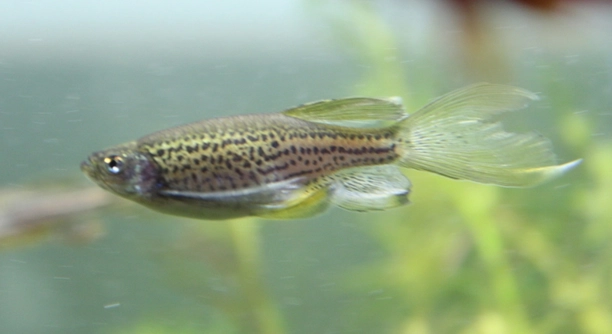
Have you ever watched your zebra danios dart around the tank and wondered if some were quietly leading the group?
Zebra danios often show subtle leadership through behavior patterns such as initiating movement, guiding feeding activity, and influencing shoal direction. These roles are not always obvious but can be identified through careful observation.
Recognizing these patterns can help you better understand your danios’ dynamics and support a more stable, enriched tank environment.
Leading the Group Movement
Zebra danios often reveal their leadership through movement. The dominant ones are usually the first to swim across the tank, especially during feeding time or when exploring a new section. These leading movements are not random; they influence how the rest of the shoal behaves. Others tend to follow the direction set by these active individuals, which creates a clear but subtle structure in their swimming patterns. Watching who leads the first dash when food enters the water or who takes initiative during tank exploration can help identify the leaders. These danios also tend to display more confidence, often swimming in open areas rather than hiding. Recognizing these signs can help you adjust tank layout or feeding methods to support a balanced group dynamic. It also helps prevent stress in the quieter fish that follow the lead and rely on the stability of the group to feel secure.
This kind of behavior is especially noticeable during times of change, like after a water change or tank rearrangement.
Leadership through movement isn’t about dominance in an aggressive way—it’s about consistent guidance. These fish shape the flow of the group, helping the shoal respond to new stimuli or changes in the tank environment.
Subtle Feeding Behaviors
Watch who eats first when food is added. Leaders often start feeding immediately, while others hesitate.
Leaders often position themselves in prime feeding spots, quickly locating and accessing food before others. This doesn’t mean they push others away, but their confident movements often give them an advantage. Followers typically wait until the leaders begin eating, which gives insight into the pecking order. These feeding patterns aren’t about aggression, but rather about confidence and comfort in the environment. Leadership here can indicate which fish feel the most secure. If one danio consistently reaches the food first or explores floating bits others ignore, it likely plays a guiding role. Observing these habits over time, especially during morning or evening feedings, offers valuable clues. Supporting a peaceful feeding routine by spreading food across the surface helps balance access and reduces stress. Identifying these behaviors makes it easier to understand your zebra danios’ social structure and respond to their needs more effectively.
Body Position in the Shoal
Leaders in a zebra danio group usually hold positions at the front or center of the shoal. These spots allow them to steer group movement and access resources quickly, showing confidence and control without the need for aggression.
Body positioning gives clues about social order. Zebra danios that swim near the front or center of the shoal often make decisions for the group, like when to move or where to explore. These positions offer better visibility and faster response times to changes in the tank. Fish on the edges typically follow, mimicking the leaders’ movement. This structure keeps the shoal organized and reduces stress. If your tank has plants or décor, leaders are often the first to investigate any changes or new additions. Observing this behavior over time can help you identify which danios lead and which rely on that leadership to feel safe.
Changes in shoal formation can shift roles. A fish that was once near the back may start leading if the group dynamic changes, such as after adding new fish or rearranging the tank. Consistent behavior over several days offers more accurate insights. Look for danios that set the pace and direction, especially during feeding or unexpected movement in the room.
Reacting to Sudden Stimuli
Leaders often respond first to sudden sounds, shadows, or movement near the tank. They usually dart briefly, then pause to assess, while others follow. This reaction style helps guide the rest of the group’s response, keeping them calm and coordinated.
Some zebra danios take on the role of alert responders when startled stimuli appear. These fish react first, then quickly return to calm behavior, signaling to others that there is no danger. This leadership trait is based on composure and awareness rather than boldness. Watching how your danios behave after a knock on the glass or a shift in lighting can reveal these patterns. The leader’s reaction helps shape whether the entire group stays calm or remains in hiding. Over time, this influence becomes part of the tank’s rhythm. Recognizing this type of leader can help you reduce stress by adjusting environmental triggers that might cause frequent startling or panic.
Confidence Around New Tankmates
Leaders usually approach new tankmates first. They may swim near the newcomer briefly, circle around, and return to the group. This early interaction sets the tone, helping others feel more secure in the presence of the new fish.
This behavior reduces overall stress. The group watches the leader’s response and follows.
Guiding Rest Periods
During calmer hours, leaders tend to settle first, choosing quiet zones away from flow or bright light. Others gradually follow their lead. This helps maintain a consistent rest cycle, even in active species like zebra danios, which rarely stop completely. Over time, patterns become clear as the same individuals begin winding down earlier than others. Watching these moments makes it easier to identify leaders based on when and where they pause. Consistency matters—leaders often choose the same rest spots and seem unaffected by mild movement or light changes. Their calmness encourages a stable environment, helping the rest of the shoal avoid overactivity during quiet periods.
Minimal Conflict Engagement
Leaders tend to avoid unnecessary chasing or nipping. Instead, they use steady swimming and space awareness to maintain order within the group.
FAQ
How can I tell if my zebra danio is a leader?
Look for behavior that stands out, like initiating movement or feeding. Leaders often swim at the front or center of the group, taking the first steps when exploring or feeding. They’re also the ones who react quickly to changes in the tank, like sudden movements or new fish. Watching your danios over a few days will give you more insight into who tends to lead in different situations.
Do zebra danios have a strict hierarchy?
Zebra danios don’t have a rigid hierarchy, but they do have social structures. The leaders are usually the most confident and active fish. They help guide the rest of the group, especially during feeding or when startled. However, these roles can shift based on the environment or changes in the tank.
Can a zebra danio’s leadership role change?
Yes, leadership roles in zebra danios can change, especially in response to stress or the introduction of new fish. For example, a more dominant fish may lose its position if a new danio becomes more confident or the original leader is removed. Leadership is based on behavior, not physical strength, so it’s flexible.
What should I do if I notice aggression among my zebra danios?
Aggression between zebra danios is usually minimal, but it can happen if there’s not enough space or if tank conditions aren’t ideal. If you notice excessive chasing or fin nipping, ensure your tank has plenty of hiding spots and swimming space. Adding plants, rocks, or decorations can help reduce territorial behavior.
How do zebra danios show they’re stressed?
When stressed, zebra danios may swim erratically or hide more than usual. They might also stop eating or swim at the edges of the tank, away from the center. Stress can also cause them to lose color or appear pale. Monitoring behavior and adjusting water quality, temperature, or tank conditions can help alleviate stress.
How do I know if my zebra danio is healthy?
A healthy zebra danio should be active, swimming in the middle or upper layers of the tank, and show vibrant colors. They should also eat regularly and not have visible signs of disease, such as faded colors, lesions, or abnormal swimming behavior. Regular water changes and a balanced diet are key to keeping them healthy.
Can I have more than one leader in the tank?
Yes, it’s possible to have multiple leaders, especially in larger shoals. Some danios may lead in different ways, such as guiding the group during feeding or reacting to changes in the tank. The key is observing who takes charge in specific situations, as multiple fish can exhibit leadership traits in different contexts.
Do zebra danios prefer a specific type of environment for their leadership?
Zebra danios thrive in tanks that are well-decorated with plants, rocks, and hiding spots. Leaders tend to be more confident in a stable environment where they can explore and lead without feeling threatened. Proper tank size and water quality are also essential for their well-being and leadership behavior.
Are zebra danios aggressive toward other species?
Zebra danios are generally peaceful with other species, especially if they are in a well-maintained, appropriately stocked tank. They may be slightly territorial with other danios, but aggression is rare. They’re more likely to focus on their own shoal and swim together. If aggression occurs, check for overcrowding or poor water conditions.
How can I encourage zebra danios to display leadership roles?
Providing a stable and enriching environment encourages zebra danios to display their natural behaviors. Ensure the tank has enough space, hiding spots, and water quality. Adding new tankmates slowly and avoiding sudden changes in the environment helps the danios feel secure, allowing their natural leadership qualities to emerge.
Can female zebra danios also be leaders?
Yes, female zebra danios can take on leadership roles just like the males. In fact, some females may lead in a more subtle or quiet way. They often direct movement, especially if they’re more active or assertive in their group. Gender doesn’t determine leadership, but rather the behavior and confidence of the individual.
Do zebra danios need a specific number of tankmates to form a stable group?
Zebra danios do best in groups of at least five or more. A larger group helps reduce stress and supports natural shoaling behavior, which encourages leaders to step forward. In smaller groups, the absence of a clear leader can cause stress or imbalance, making the group feel less stable.
Why are some zebra danios more confident than others?
Confidence in zebra danios is often influenced by individual temperament, tank conditions, and social interactions. Fish that have been in the tank longer or that are more familiar with their surroundings tend to be more confident. Confidence can also be boosted by a consistent routine, stable water parameters, and healthy interactions with other tankmates.
Can I add new zebra danios without disrupting the leadership roles?
Introducing new zebra danios should be done slowly to prevent disrupting the established social structure. Adding too many fish at once can cause stress and shift leadership dynamics. It’s important to monitor the tank and observe how the new fish interact with the established group. Keeping the tank well-balanced with plenty of hiding spots helps ease the transition.
What happens if I have a single zebra danio in the tank?
If you have a single zebra danio, it might become stressed due to a lack of shoal companionship. Zebra danios are social fish, and being alone can make them anxious or less active. It’s recommended to keep at least five danios to ensure they feel comfortable and can display natural group behaviors, including leadership.
Do zebra danios lead in a specific direction when swimming?
Yes, the leaders in a shoal often swim in specific directions based on their awareness of the environment. They are typically the first to explore new areas or respond to stimuli, guiding the rest of the group. This leadership direction can help the group stay organized, especially when moving between different tank areas or toward food.
How do I prevent too much leadership conflict in a tank?
To prevent leadership conflict, ensure your zebra danios have enough space to establish their roles. Overcrowding or adding too many new fish can lead to competition for dominance, causing unnecessary stress. A well-maintained tank with plenty of swimming areas, plants, and hiding spots helps keep the group balanced and reduces conflict.
Final Thoughts
Understanding the subtle ways zebra danios display leadership can enhance your approach to maintaining a healthy tank. These fish may not have an obvious hierarchy, but their behaviors reveal a natural order within the shoal. Observing how certain individuals lead can give you insights into the dynamics of your tank, helping you ensure the well-being of all fish. It’s important to recognize that leadership in zebra danios is not about dominance but rather about confidence and behavior, especially when it comes to guiding the group or reacting to changes in their environment.
By paying attention to these behaviors, such as how some danios initiate movement or feed first, you can better understand their needs and make necessary adjustments to your tank. A calm, confident leader in the group often results in a more stable environment for all fish. Recognizing these signs of leadership can help you provide a comfortable habitat where the danios can thrive, reducing stress and promoting their natural social structures. Consistent observation and an understanding of how each fish behaves can go a long way in keeping your aquarium healthy.
Creating an environment that supports zebra danio leadership means ensuring that the tank is spacious, stable, and enriched with the right elements. Proper water conditions, hiding spots, and space for swimming encourage the natural behaviors that allow the leadership dynamics to unfold. While not every fish will exhibit leadership traits, understanding those who do can make tank management simpler. With a little patience and careful observation, you can create a peaceful and balanced tank where all zebra danios can thrive in their social structure.

Hello,
If you enjoy the content that we create, please consider saying a "Thank You!" by leaving a tip.
Every little bit helps us continue crafting quality advice that supports the health, happiness, and well-being of pets around the world, for pets of all shapes, sizes, and species.
We really appreciate the kindness and support that you show us!