
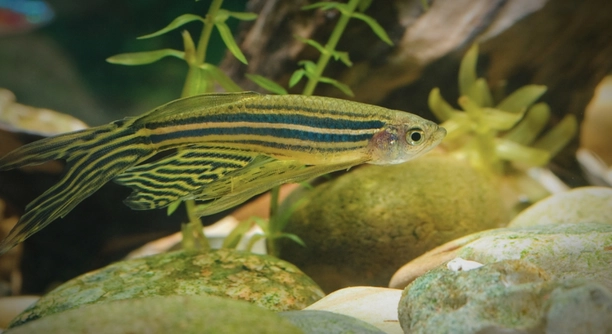
Is your zebra danio spending more time near the bottom of the tank instead of swimming around at the surface like usual?
Zebra danios may avoid the water surface due to poor water quality, low oxygen levels, high temperatures, or illness. These factors can create discomfort or stress, prompting the fish to seek safer or more stable conditions below.
Learning what causes this behavior can help you improve tank conditions and support your zebra danio’s overall health and comfort.
Possible Reasons Your Zebra Danio Stays Low in the Tank
Zebra danios are usually active and quick swimmers, often seen darting near the surface. When they avoid the top of the tank, it’s often related to environmental conditions. Poor water quality can stress them, especially if ammonia or nitrite levels rise. Low oxygen can also be an issue—warmer water holds less oxygen, which can make the surface uncomfortable. High temperatures may increase their stress and metabolism, leading them to seek cooler areas lower in the tank. Illness or injury can also cause a change in behavior. Fish suffering from internal infections or parasites may become less active and stay away from the surface. It’s important to observe if your zebra danio is eating properly or showing other signs like faded color or clamped fins.
Sometimes, it’s just a temporary change, especially after a water change or if something in their environment has recently changed.
Monitoring the water parameters using a reliable test kit is the first step. Keep temperature stable and within a safe range (around 72–78°F), and maintain proper filtration and oxygenation.
How to Help Your Zebra Danio Return to Normal
Begin by testing the water for ammonia, nitrite, nitrate, and pH levels. Keep these stable and within recommended ranges.
If oxygen is low, increasing surface agitation can help. You can adjust your filter output or add an air stone. Make sure your tank isn’t overcrowded, as too many fish can stress zebra danios and reduce oxygen availability. Feeding quality food and keeping the tank clean with regular water changes will also reduce stress. If your zebra danio still avoids the surface after all conditions are balanced, consider quarantine and treatment. Look for signs of illness like bloating, discoloration, or unusual swimming patterns. A separate tank with clean water and optional treatment can make a difference. Zebra danios are hardy, but they still need consistent care. Even subtle changes in their behavior can signal a problem. Acting early can prevent long-term health issues and help them return to their normal, active behavior.
Other Factors That May Influence Their Behavior
Lighting can influence where your zebra danio prefers to swim. If the lights are too bright or left on too long, your fish may avoid the surface to escape the discomfort.
Zebra danios prefer a natural light cycle. Too much exposure can stress them, especially if there’s no shaded area or plant cover. It helps to use adjustable lighting or float plants to break up intense brightness. Sudden changes in lighting can also startle them and cause erratic behavior. Try to keep a consistent schedule using a timer. Danios also feel more secure when there’s enough room to swim and some areas to hide. Without proper tank decor or hiding spots, they may not feel safe near the top. Avoid placing the tank in noisy or high-traffic areas, as movement or sound may discourage surface activity.
Water flow is another consideration. Zebra danios enjoy mild currents, but excessive flow can exhaust them or make the surface area harder to reach. Make sure the filter isn’t creating a strong current throughout the tank. Use decorations or plants to break the flow and provide calmer areas. This allows your fish to swim freely without constant resistance. If your zebra danio seems to struggle when approaching the top, adjusting the filter angle or switching to a gentler model can help. Keep an eye on their swimming behavior after changes. A balanced environment encourages natural movement and comfort in all tank areas.
Feeding Habits and Surface Behavior
Zebra danios often swim near the surface during feeding. If they avoid this area during meals, they might be unwell or feel unsafe. It could also mean they’re not recognizing the food or struggling to compete.
Offer small, floating foods and watch how they respond. If they ignore the food or eat less than usual, it may be a sign of illness or stress. Feeding at the same time each day can help create a routine and reduce anxiety around mealtime.
When to Consider Illness or Infection
If your zebra danio shows clamped fins, rapid breathing, or unusual swimming, illness may be the cause. Internal infections, parasites, or swim bladder issues often change how they move through the water. Treating early with isolation and proper medication is important. Clean water and a calm environment support recovery.
Tank Mates Can Impact Comfort
Aggressive or overly active tank mates can cause your zebra danio to avoid certain areas, including the surface. Always choose peaceful companions.
FAQ
Why is my zebra danio hiding at the bottom of the tank?
This often happens due to stress, poor water quality, or illness. Ammonia or nitrite spikes can make the upper areas uncomfortable. If your fish stays at the bottom with clamped fins or avoids food, something in the environment might be affecting its health. Check water parameters and temperature. Stress from recent changes, such as new tank mates or loud surroundings, can also lead to this behavior. Illness like internal parasites or infections may cause your fish to stay still or isolate itself. Observe closely and act quickly if symptoms worsen.
Can low oxygen cause my zebra danio to avoid the surface?
Yes, it can. Zebra danios need well-oxygenated water. If the oxygen level is too low, they may avoid the top and stay where oxygen is more available. Warm water, poor circulation, or lack of surface agitation reduces oxygen levels. Make sure your filter causes some movement at the water’s surface. You can also add an air stone or adjust the flow for better oxygen exchange. Avoid overcrowding the tank, as too many fish use up oxygen quickly. A well-maintained tank keeps oxygen levels balanced and supports healthy swimming behavior.
Do zebra danios get scared of bright lights?
They can. Bright lights without breaks or hiding spots might cause discomfort. Zebra danios prefer some cover, like floating plants or dimmer areas. Sudden light changes can also make them dart or hide. Use a timer to create a consistent light schedule and provide shaded areas in the tank. Giving them places to retreat helps reduce stress. If your lighting is too strong, try adjusting it or using floating plants to create softer light zones. A calmer environment often brings out more natural behavior and encourages swimming near the surface.
What temperature should the water be for zebra danios?
Keep the water between 72°F and 78°F. Temperatures outside this range can lead to stress or illness. Water that’s too warm reduces oxygen and speeds up metabolism, causing your fish to tire more quickly or avoid active areas. Cold water slows their movement and affects digestion. Use a reliable heater and thermometer to keep the temperature stable. Sudden temperature shifts can lead to shock or health issues. Consistency is important. Make small adjustments when needed and avoid placing the tank near windows or heating vents.
How can I tell if my zebra danio is sick?
Look for signs like loss of appetite, faded color, unusual swimming, clamped fins, or hiding more than usual. Illness may also show through bloating, thinness, or spots on the skin or gills. If you notice one or more of these symptoms, consider isolating the fish in a separate tank. Clean water and stable conditions support recovery. Use appropriate medication if needed, and monitor other fish closely in case the issue is contagious. Acting early helps prevent more serious problems and supports your zebra danio’s health.
Do zebra danios need tank mates to feel safe?
Yes, they are social fish and thrive in groups. Keeping them alone can lead to stress or unusual behavior. A group of at least five helps them feel secure. They enjoy schooling and tend to swim more actively with companions. Make sure their tank mates are peaceful and not too large or aggressive. Avoid pairing them with fin-nippers or territorial species. A calm, balanced tank encourages natural swimming, including movement near the surface. Watching them interact as a group is a good sign they feel comfortable.
How often should I feed zebra danios?
Feed them once or twice a day in small portions they can finish within two minutes. Overfeeding can lead to water issues and health problems. Use floating flakes or small pellets, and occasionally supplement with live or frozen foods like brine shrimp. Varying their diet keeps them active and healthy. If they stop eating or spit out food, check for signs of illness or stress. Feed at consistent times to create a routine. Uneaten food should be removed to maintain clean water. Proper feeding helps maintain their activity and surface swimming.
Final Thoughts
Zebra danios are active, social fish that usually swim all around their tank, including near the surface. When they suddenly avoid the top area, it often means something is off in their environment. It could be a sign of poor water quality, stress from tank mates, or changes in temperature. Sometimes, it’s a simple feeding issue or the presence of strong surface currents. These small fish react quickly to any discomfort, so their behavior is often the first sign that something needs to be checked. Watching them closely each day helps you notice any shifts early.
If your zebra danio avoids the surface for more than a day or two, start by testing your water parameters. Even a small ammonia spike or a slight change in pH can lead to stress. Make sure the tank is not overcrowded and that your filtration system is running properly. Keep the water temperature stable and check for any signs of illness, like clamped fins, loss of color, or odd swimming. If other fish are bullying or outcompeting them for food, it can lead to hiding and changes in behavior. Keeping their surroundings calm and clean is one of the best ways to support their health.
By maintaining stable water conditions, offering a balanced diet, and choosing peaceful tank mates, you create a space where your zebra danios can thrive. Watching them swim actively and use the full tank, including the surface, is a good sign they are comfortable. Pay attention to even small changes in their routine. Quick action can often fix a minor problem before it becomes serious. These fish are resilient, but they still rely on consistent care to stay healthy. With a little attention each day, you’ll help your zebra danios feel safe, active, and ready to explore every part of their tank.

Hello,
If you enjoy the content that we create, please consider saying a "Thank You!" by leaving a tip.
Every little bit helps us continue crafting quality advice that supports the health, happiness, and well-being of pets around the world, for pets of all shapes, sizes, and species.
We really appreciate the kindness and support that you show us!