
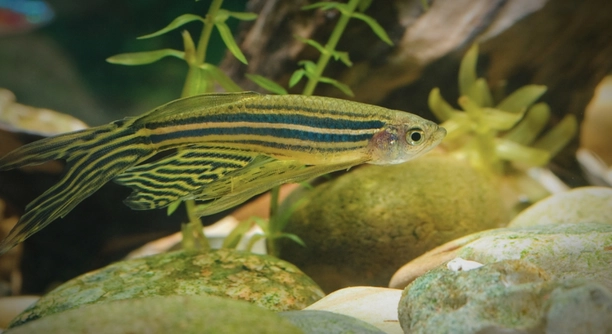
Zebra Danios are popular aquarium fish, known for their active personalities and vibrant colors. If you’re a fan of these fish, it can be exciting to see when they are ready to lay eggs.
Zebra Danios show clear signs of readiness to lay eggs, such as increased activity, the presence of eggs in females, and changes in behavior. Males become more aggressive, and females often grow rounder, indicating they are preparing to spawn.
Understanding these signs will help you prepare for the breeding process and give your Zebra Danios the best environment to lay their eggs.
Increased Activity and Swimming Patterns
When Zebra Danios are ready to lay eggs, you’ll notice an increase in their activity. These fish typically become more energetic and swim around with greater purpose. Males, in particular, can be seen chasing the females. This active behavior is a sign that they are preparing for the mating process. The male’s persistent pursuit is not just playful—it’s a way to encourage the female to release her eggs.
As the activity increases, you may also spot some changes in the way the fish interact with each other. The males might start displaying more aggressive behavior towards each other. This is due to competition for the female’s attention and the prime position for mating.
These visible signs of increased movement in your Zebra Danios should not be overlooked. They indicate that spawning could happen soon, and you may need to prepare their environment for the event. More space, hiding spots, and a clean tank are essential for a smooth process.
Swelling of the Female’s Belly
In addition to increased activity, the female Zebra Danios will begin to show signs of swelling in her belly. As eggs develop inside her, her abdomen will appear noticeably rounder. This physical change is one of the most obvious signs that she is ready to lay eggs.
The swelling is caused by the eggs that are maturing inside her body. This development may take a few days or even a week, depending on water temperature and conditions. If the female has been well-fed and the tank conditions are ideal, she will likely develop a fuller belly, signaling that she is nearly ready to release the eggs.
Keep an eye on her as she grows rounder. If she looks like she has too many eggs, it’s important to ensure she has enough space to swim comfortably. Excess stress can delay or disrupt the spawning process.
Changes in Behavior: Males Get Aggressive
As the female prepares to lay eggs, the males will become more assertive. They may chase her around, nipping at her fins in an attempt to get her attention. This behavior, although aggressive, is part of their mating ritual. The males are not fighting but rather trying to encourage the female to release her eggs for fertilization.
During this time, males may also engage with each other more aggressively. They might try to outcompete each other for the chance to fertilize the eggs. The increased rivalry can be intense but is normal when multiple males are in the same tank during spawning season.
While the males can be persistent, it’s important to ensure that no fish are being stressed too much. Having plenty of space and hiding spots in the tank will help reduce the likelihood of injuries. These small fights are often harmless, but a peaceful environment is crucial for successful spawning.
Changes in Coloration
Another noticeable sign that Zebra Danios are preparing to lay eggs is a shift in coloration. The males will often become more vivid in color, especially around their fins. Their bright hues serve as a visual signal to the female that they are ready for mating. This color change is part of the fish’s natural reproductive behavior.
The females, on the other hand, may not change as dramatically, but their overall body shape and size will still become more prominent. The male’s bright colors contrast with the female’s fuller appearance, signaling that they are in different stages of the breeding process.
This visual cue can be helpful when trying to determine which fish is ready for spawning. It’s essential to understand that color changes vary between individual fish, but the males’ intensified coloration is generally a reliable indicator that they are actively courting the females. This change can happen a few days before the actual laying of eggs.
Increased Aggression Among Males
When Zebra Danios are ready to breed, you’ll notice a rise in aggression among the males. They’ll often chase each other around the tank, trying to assert dominance. This competitive behavior is common during mating seasons when males fight for the chance to mate with the female.
The chasing can be intense, with males constantly darting after one another. They may display their fins fully and swim rapidly, trying to impress the female. Sometimes, the males can nip each other, but it’s usually harmless. It’s crucial to monitor the tank to ensure no fish are getting too stressed or injured.
You’ll also observe that the males become more persistent in their pursuit of the female. They use their faster, more aggressive behavior to get closer to her, encouraging her to spawn. To prevent potential harm from aggression, it’s essential to maintain a healthy balance of fish in the tank. Ensure there are enough hiding places to give the female some peace.
Proper Tank Conditions for Spawning
For successful egg-laying, the tank environment plays a significant role. If the water temperature and quality aren’t ideal, Zebra Danios may not spawn or may become stressed. The optimal water temperature for breeding is around 75 to 80°F (24 to 27°C). Keeping the tank clean and free of any contaminants is essential for healthy eggs and fish.
You should also ensure that the tank is well-planted with fine-leafed plants or spawning mats. These provide the female with a place to lay her eggs. The males will chase her and encourage her to deposit eggs among the plants. A clean, stable environment will reduce the chances of diseases or stress that can interfere with breeding.
While the tank conditions are important for successful egg-laying, make sure the water is not too hard or soft. Slightly acidic water is ideal, so maintaining the pH level between 6.5 and 7.5 is best. You’ll need to check the water regularly to avoid any drastic changes, which could cause harm to your fish.
Presence of Eggs in the Female
As the female Zebra Danio gets ready to lay eggs, you may notice visible signs of eggs inside her body. The eggs will appear as small, white or slightly translucent spheres in her belly. This is a clear sign that she’s nearing the point of spawning.
The eggs will continue to grow in size as she matures. If you observe closely, her abdomen will become rounder and fuller as the eggs develop. This change happens gradually and indicates that she is getting closer to laying them.
Once she’s fully ready, her belly will appear significantly swollen. If you’ve been monitoring her behavior, you’ll notice the increase in activity along with this physical change. Both are indicators that she’s prepared to release her eggs soon.
Male Mating Displays
Males often display a series of behaviors to attract the female when she’s ready to lay eggs. These displays include rapid swimming patterns and showing off their brighter colors. The males may also swim alongside the female, nudging her to encourage egg release.
These actions can become quite repetitive as the males try to get the female’s attention. You’ll notice their persistence, with the males darting after the female and performing quick, erratic movements. They may also swim past her in a zigzag pattern to impress her. The more active and vibrant the males are, the more likely it is that they are ready to mate.
Male Zebra Danios use their physical displays to create a connection with the female. It’s their way of signaling that they’re ready for reproduction. At this point, you can expect the males to become more focused on the female than the rest of the tank.
Female Seeking Hiding Spots
As the female Zebra Danio prepares to lay eggs, she may start to seek out places where she can hide. She might swim into plants or hover near areas with decorations that offer shelter. This behavior is natural, as she looks for a secure spot to lay her eggs.
The female’s desire to find hiding spots is a sign that she’s getting closer to releasing her eggs. It’s an attempt to find a safe place where the eggs can be deposited without being disturbed. If you notice her consistently checking these spots, it’s time to pay attention.
FAQ
How can I tell when my Zebra Danios are ready to spawn?
You can tell when your Zebra Danios are ready to spawn by observing their behavior and physical changes. The females will have a noticeably swollen belly as the eggs develop inside her. Males will become more colorful and more aggressive, chasing the females and other males. Additionally, you’ll see increased swimming activity from both males and females, with males performing displays to attract the females.
Should I separate the males and females before they spawn?
It is not necessary to separate the males and females before spawning. However, if you want to ensure that the female is not stressed or harassed too much by the males, you can set up a separate breeding tank. A breeding tank can provide a more controlled environment, allowing the female to lay eggs without too much interference.
How do I prepare the tank for spawning?
Preparing the tank for spawning involves ensuring that the water temperature is around 75-80°F (24-27°C) and that the water is clean. You should also include fine-leafed plants or spawning mats where the female can lay her eggs. The tank should have plenty of hiding spots for the female to feel secure. Maintaining stable water conditions and a slightly acidic pH of 6.5-7.5 is important.
Can I keep the eggs in the same tank with the parents?
It’s often best to remove the eggs from the main tank to prevent them from being eaten by the parents. Zebra Danios are known to eat their own eggs, so it’s important to either transfer the eggs to a separate tank or use a breeding trap to protect them. If you want to leave the eggs with the parents, you can add lots of hiding spots, but this still comes with the risk of egg loss.
How long does it take for Zebra Danio eggs to hatch?
Zebra Danio eggs typically hatch in about 2-3 days, depending on the water temperature. Warmer water speeds up the hatching process, while cooler water can slow it down. During this period, the eggs should be kept in stable conditions to ensure successful development. After hatching, the fry will be very small and require special care for their early growth.
What should I feed Zebra Danio fry once they hatch?
Zebra Danio fry are very small when they hatch, so they require tiny foods like infusoria, liquid fry food, or freshly hatched brine shrimp. You should feed them multiple times a day in small portions to ensure they get the nutrition they need to grow. As they get bigger, you can gradually introduce larger foods.
How can I prevent my Zebra Danios from eating their eggs?
To prevent Zebra Danios from eating their eggs, you can either remove the eggs immediately after they are laid or place the eggs in a breeding trap where the adults cannot access them. Some people also use breeding tanks with plenty of plants and decorations to help the eggs survive. The key is to act quickly to protect the eggs from being eaten by the parents.
How many eggs do Zebra Danios lay at once?
Zebra Danios can lay a significant number of eggs in one spawning session, usually between 100 to 200 eggs. The exact number can vary depending on the size and health of the female. After the eggs are laid, the male will fertilize them. Not all the eggs will survive, so it’s normal for some to hatch and others to be consumed by the parents or other tank mates.
Can Zebra Danios spawn multiple times in one cycle?
Yes, Zebra Danios can spawn multiple times within a short period. After a successful spawning, the female may lay more eggs within a few days, especially if the tank conditions are ideal. Males may continue to court the females, and the cycle can repeat several times during the breeding season. However, it’s essential to ensure the female has enough rest and recovery time between spawnings to stay healthy.
What should I do if my Zebra Danios are not spawning?
If your Zebra Danios are not spawning, it could be due to several factors. Check the water temperature and quality to ensure it’s within the optimal range (75-80°F). Stress can also prevent spawning, so ensure the fish are not overcrowded and that the tank is not too noisy or disturbed. Providing plenty of plants and a suitable breeding environment can encourage spawning. If the males aren’t showing the right behavior, it could also be a sign that they aren’t fully mature or are not healthy enough to breed.
Can I keep Zebra Danios with other fish during spawning?
It’s best to separate Zebra Danios from other fish when they are spawning, especially if those other fish may disturb or harm the eggs. Some species may also eat the eggs, so a breeding tank with only the Zebra Danios is ideal. However, if you want to keep them in the same tank, make sure to have plenty of hiding places for the eggs to increase their chances of survival.
How often should I check on Zebra Danio eggs?
You should check on Zebra Danio eggs daily to monitor their progress. Keep an eye on the developing eggs to see if they are fertilized and starting to develop into embryos. Checking the eggs regularly also helps you catch any issues, such as mold or fungus, that might appear on the eggs. If you spot any problems, it’s best to remove the affected eggs to prevent it from spreading.
How can I tell if the Zebra Danio eggs are fertilized?
Fertilized Zebra Danio eggs will typically appear clear or slightly opaque. As they develop, you will start to see tiny embryos inside. Unfertilized eggs tend to become cloudy or white and will not hatch. Checking the eggs after 2-3 days will give you an indication of whether they are fertile or not.
Final Thoughts
Zebra Danios are relatively easy to breed and can be a rewarding experience for aquarium hobbyists. Observing the process of egg laying and watching the fry grow is a fascinating part of keeping these fish. By understanding the signs that indicate when your Zebra Danios are ready to lay eggs, you can ensure that they have the right environment to reproduce successfully. Key signs include increased activity, changes in the females’ belly size, and males showing more aggression and brighter colors. All these behaviors help signal that spawning is near.
Creating the right environment for your fish is crucial. Proper water conditions, temperature, and space are essential for successful breeding. Zebra Danios require a slightly acidic environment with stable water temperatures between 75-80°F (24-27°C). You should also add fine-leafed plants or spawning mats to give the female a place to lay her eggs. A clean, safe tank with hiding spots can help reduce stress on the fish, particularly the female, during the spawning process.
Finally, be prepared to act quickly when the eggs are laid. Zebra Danios can sometimes eat their eggs, so it is important to protect them. This can be done by moving the eggs to a separate tank or using a breeding trap. Once the fry hatch, they require tiny foods, such as infusoria or freshly hatched brine shrimp, to ensure proper growth. With the right care and attention, you’ll be able to enjoy the entire breeding process and watch your Zebra Danios thrive.

Hello,
If you enjoy the content that we create, please consider saying a "Thank You!" by leaving a tip.
Every little bit helps us continue crafting quality advice that supports the health, happiness, and well-being of pets around the world, for pets of all shapes, sizes, and species.
We really appreciate the kindness and support that you show us!