
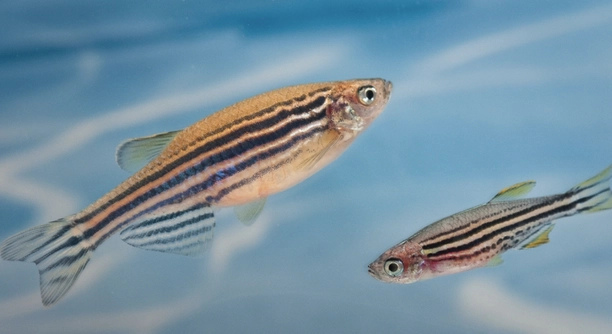
Have you ever watched your zebra danios swim and noticed they move in ways that almost look like a choreographed performance? Their quick twists, turns, and glides often appear rhythmic and full of personality.
Zebra danios exhibit behaviors such as circular chasing, synchronized swimming, and rapid darting that resemble dancing. These movements are typically related to social bonding, mating displays, territorial behavior, or playful interaction within their school.
From playful spins to graceful glides, each movement holds meaning and adds charm to their underwater world. Let’s take a closer look at what makes these actions stand out.
Spinning in Circles
Zebra danios often swim in fast, tight circles, especially when they’re excited or interacting with one another. This can happen when they’re chasing a tank mate or during feeding time. The movement might seem playful, but it usually helps establish social hierarchy. In a group, danios tend to be very active, and this kind of circling behavior shows off their energy and curiosity. If you see them doing this often, it’s a good sign they’re feeling comfortable and stimulated. Make sure their tank is spacious enough and has plenty of swimming room to support this natural activity.
This behavior often appears during the early hours of the day when they’re most alert.
If they’re spinning too much or seem stressed, check the tank’s conditions. Water flow, temperature, and crowding can influence their activity. Adding plants or hiding spots can give them more structure, helping keep their behavior balanced and enriching their environment.
Synchronized Swimming
Zebra danios sometimes swim side by side, turning and gliding in sync. This behavior is commonly seen in bonded pairs or tightly-knit schools and usually signals comfort and social stability.
When danios move together like this, it’s often a result of their schooling instincts. They feel safer when they stick together, especially in new or uncertain situations. If the tank is quiet and the water quality is steady, you’ll likely notice this more. The movement is fluid, gentle, and rhythmic. While it looks like a performance, it’s really about survival and communication. It shows their instinct to stay united, which helps reduce stress and prevents them from feeling exposed. Adding six or more danios to a group supports this behavior best. A calm, consistent environment helps bring out this display, especially when they are content and not feeling threatened by changes in lighting or sudden movements near the tank.
Darting Back and Forth
This quick and sudden movement happens when danios get excited or stimulated. It can be triggered by feeding, a change in light, or simply the presence of other fish.
Darting is a natural behavior that reflects their active and responsive nature. You’ll often see it during feeding time or when they interact with their surroundings. It can look intense, but it’s usually nothing to worry about. However, if they’re darting constantly or crashing into the glass, that could be a sign of stress or discomfort. Check the water parameters and make sure the tank isn’t too bright or noisy. Their reaction time is fast, so any sudden movement near the tank can cause a burst of energy. Adding a few plants or gentle current can help balance their environment and reduce unnecessary stress.
In a healthy group, darting is often part of their regular behavior and helps maintain their social activity. It’s a burst of energy that keeps them alert and engaged. They enjoy exploring and react quickly to anything new. You might also notice that they take cues from each other—if one darts, the rest might follow. This makes the movement look even more like a dance. It’s one of the many ways they stay connected.
Rising and Twisting
You might see zebra danios swimming upward with a slight twist in their bodies. This is a mix of curiosity and coordination, often showing up when they’re exploring or adjusting to changes in the tank.
This rising and twisting motion is especially noticeable when they investigate surface activity or swim through plants and decorations. Their bodies bend slightly as they change direction, creating a graceful and almost floating appearance. It’s common to see this when they’re adjusting to a new feeding schedule or exploring bubbles and filters. The motion helps them maintain control while navigating different tank levels. Their streamlined bodies allow for precise movement, and these twists make it easier for them to move around corners or dodge obstacles. It can also happen when they respond to light reflections or surface ripples. Keeping their environment varied but calm encourages this type of behavior without overwhelming them.
Wiggling in Place
Sometimes danios pause mid-swim and wiggle in one spot. This movement is small but noticeable. It often happens near tank decorations or during social interaction, signaling alertness or curiosity rather than stress or discomfort.
This wiggle helps them stay in place when there’s a current. It’s also common before changing direction or interacting with nearby fish.
Gliding Through Bubbles
Zebra danios are often drawn to air stones or bubble wands, gliding through the stream with smooth and controlled motion. This movement looks like slow, gentle dancing. It’s not just fun for them—it’s enriching. The bubbles create a mild current they enjoy swimming against. It also provides sensory stimulation.
Tilting Side to Side
This movement looks like a soft sway as they swim. It’s often seen when they are calm, especially in low-light conditions. The tilt helps with balance and adjusting position in slower-moving water.
FAQ
Why do zebra danios swim in circles?
Zebra danios swim in circles as part of their natural behavior, often when they’re excited or interacting with each other. This movement can be a way to establish social order or simply a sign of energy and curiosity. When they’re in a group, this circling is usually a playful or bonding action. However, it’s important to monitor their environment. If they swim in circles excessively, it could be a sign of stress or discomfort, and factors like water quality, tank size, or overcrowding might need to be adjusted.
Do zebra danios really dance?
Zebra danios don’t dance in the same way humans do, but their movements often resemble a dance due to their quick, fluid, and rhythmic actions. They exhibit behaviors like synchronized swimming, darting, and wiggling, which can look like an underwater performance. These movements are driven by instincts related to social interaction, territorial behaviors, and mating. Their graceful and coordinated movements in groups are a display of communication, trust, and connection, making it appear like they’re performing a synchronized dance routine.
How can I tell if my zebra danios are stressed?
Stressed zebra danios often exhibit erratic swimming patterns, such as darting rapidly or swimming frantically into corners of the tank. You might also notice that they stop eating, or their colors become dull. Another sign of stress is when they continuously swim in one spot or refuse to interact with other fish. Stress can be caused by poor water conditions, overcrowding, sudden temperature changes, or a lack of hiding spots. Ensuring proper tank conditions and a balanced environment is essential to keeping them healthy and calm.
What does it mean when zebra danios swim upside down?
When zebra danios swim upside down, it can be a sign of health issues, particularly problems with their swim bladder. The swim bladder controls buoyancy, and if it becomes infected or damaged, fish may struggle to maintain proper orientation. However, it can also happen temporarily if they’re adjusting to changes in water conditions. If the behavior persists, it’s a good idea to check water parameters like pH, ammonia, and nitrate levels to rule out environmental factors. A trip to the vet may be necessary if the condition doesn’t improve.
How many zebra danios should I keep together?
Zebra danios are schooling fish and thrive in groups. Keeping them in groups of at least five to six helps reduce stress and allows them to display their natural behaviors. In smaller numbers, they can become skittish and may exhibit more erratic or shy behavior. Larger groups also help encourage their social, synchronized swimming patterns, which can be a beautiful and calming display in the tank. It’s also crucial to make sure your tank is large enough to accommodate the group comfortably.
Can zebra danios live with other fish?
Yes, zebra danios are peaceful and social, making them compatible with many other species. They are small, non-aggressive fish that can coexist with various tank mates, such as guppies, tetras, and shrimp. However, it’s important to avoid housing them with aggressive or overly large fish, as they can become stressed or even be bullied. When choosing tank mates, ensure they are of similar size and temperament to maintain a peaceful and harmonious aquarium.
Why do zebra danios swim so fast?
Zebra danios are naturally fast swimmers. Their streamlined bodies and active nature help them cover large areas quickly. In the wild, they use this speed to escape predators and explore their environment. In a tank, their fast swimming helps keep them active and engaged. It’s a sign that they are healthy and comfortable in their environment. However, if they are swimming excessively fast or seem disoriented, it might be a sign of stress or unfavorable water conditions, and it’s worth checking tank parameters.
What should I do if my zebra danios aren’t eating?
If your zebra danios aren’t eating, it could be due to various factors. Stress, poor water quality, or a sudden change in their environment can all lead to a loss of appetite. First, check the tank’s temperature, pH, and ammonia levels to ensure they’re within the proper range. If the water is fine, try offering different types of food, such as flakes, pellets, or live food, to entice them. If they continue to refuse food, it may be worth seeking advice from an aquarium professional to rule out any underlying health issues.
Can zebra danios jump out of the tank?
Yes, zebra danios are known to be jumpy, and they may leap out of the tank if the water level is too low or if the tank is uncovered. This behavior is particularly common when they’re startled or trying to escape perceived threats. To prevent this, make sure your aquarium has a secure lid, and keep the water level at least a few inches below the top of the tank. It’s also a good idea to minimize sudden movements or loud noises around the aquarium that could startle them.
How often should I feed my zebra danios?
Zebra danios should be fed small amounts of food two to three times a day. Overfeeding can lead to poor water quality and health issues. It’s important to feed them only as much as they can consume in a few minutes to avoid excess food sinking to the bottom and polluting the tank. A varied diet of high-quality flakes, pellets, and occasional live or frozen food will help keep them healthy and active. Feeding them at regular intervals will also help establish a routine, making them feel more comfortable in their environment.
Final Thoughts
Zebra danios are lively and fascinating fish that add energy to any aquarium. Their movements, which often resemble dancing, are a unique and delightful aspect of their behavior. Whether they are swimming in circles, darting through bubbles, or wiggling in place, their actions create a beautiful and captivating display. These behaviors are not just entertaining but also essential to their social interactions and overall well-being. Understanding their natural tendencies can help provide a better environment for them and make observing their activities more enjoyable.
Taking care of zebra danios requires attention to their tank environment. Ensuring that water conditions, such as temperature, pH, and ammonia levels, are kept within the ideal range will help them stay healthy and active. They thrive in schools of at least five or six fish, so having multiple danios in the tank is important for their mental and social health. Regular water changes, proper filtration, and a balanced diet of flakes, pellets, and occasional live or frozen foods will keep them happy and energized. A peaceful tank environment with compatible tank mates will further enhance their quality of life.
Ultimately, zebra danios are hardy fish that are relatively easy to care for, making them a great choice for both beginners and experienced fish keepers. By observing their behaviors, understanding their needs, and maintaining a healthy tank, you can enjoy their playful and active nature for years. Whether you’re new to fishkeeping or an experienced aquarist, these small but spirited fish offer a fascinating and rewarding experience.

Hello,
If you enjoy the content that we create, please consider saying a "Thank You!" by leaving a tip.
Every little bit helps us continue crafting quality advice that supports the health, happiness, and well-being of pets around the world, for pets of all shapes, sizes, and species.
We really appreciate the kindness and support that you show us!