
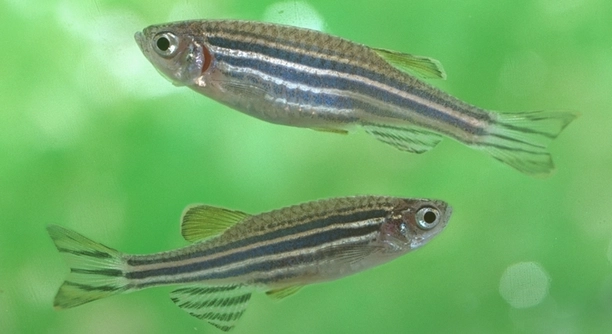
Is your zebra danio acting jumpy or staying away from the others while the rest of the tank seems calm and relaxed?
A zebra danio that appears nervous is often reacting to environmental stress, illness, or social dynamics within the tank. These fish are sensitive to water quality, sudden changes, or bullying from more dominant tank mates.
Simple adjustments in the tank setup and care routine can often ease the stress and help your danio feel more secure.
Common Reasons One Zebra Danio Acts Nervous
Zebra danios are usually active and social, so when one seems skittish or nervous, something may be bothering it. A common issue is poor water conditions. These fish are sensitive to shifts in temperature, pH, and ammonia levels. Another reason might be bullying from other tank mates. Even in peaceful groups, some fish can become territorial or aggressive, especially in small tanks. A sudden change in their environment—like rearranged decorations or a new filter—can also cause anxiety. Illness or injury might make a danio withdraw from the group or act erratically. In some cases, the fish could just be shy or have a less dominant personality. It’s helpful to observe how the others are behaving to see if the issue is isolated or part of a larger problem. Keeping track of tank maintenance and monitoring behavior over time is a good way to spot and fix stress triggers early.
Some nervous behaviors may seem minor, but they’re often the first sign that something in the tank isn’t right.
If your danio hides in corners, avoids eating, or reacts quickly to movement, it’s trying to stay safe. These behaviors can start suddenly or develop slowly over time. First, check the water parameters to make sure everything is within the right range for danios. Look for signs of aggression from tank mates—fin nipping, chasing, or guarding areas can leave a quieter fish feeling exposed. If you’ve added a new item to the tank recently, try removing it and see if the behavior changes. Illness could also be a factor, so watch for changes in appearance or swimming pattern. Sometimes, one danio just doesn’t fit in well with the group. In those cases, separating it into a smaller tank for observation may help it regain calm behavior. Making small changes and giving the fish time to adjust is often enough to reduce stress and get things back to normal.
How to Help a Nervous Zebra Danio
Start by observing when the nervous behavior occurs and how long it lasts. Quick reactions to movement might mean the fish feels exposed.
Improving a zebra danio’s comfort starts with providing the right environment. Keep water temperature steady between 72–78°F and test the water weekly for ammonia, nitrites, and pH. Create hiding spots using plants or decorations, so the fish has a safe place to rest. A nervous danio will feel better when it has more cover and less exposure to open space. Avoid bright lighting and sudden changes in tank layout. Make sure your tank is large enough for your danios—at least 10 gallons for a small group—and try to keep at least five or six together, since they feel safer in numbers. If aggression is a problem, rearrange the tank or temporarily remove the aggressive fish to disrupt the behavior pattern. Give the nervous danio time to settle in after any changes. A calm environment, proper care, and a bit of patience usually help them regain confidence.
Signs That Show a Zebra Danio Is Stressed
A stressed zebra danio may avoid the group, stay near the bottom, or hide in corners. Rapid gill movement, pale coloring, and jerky swimming patterns are also signs something isn’t right. These changes usually show up before more serious issues develop.
When a zebra danio is stressed, it may stop eating or show a loss of energy. You might see it dart around quickly or freeze in place when you walk by the tank. Pale stripes and clamped fins can also appear when the fish doesn’t feel safe. These signs don’t always mean illness—they often point to environmental stress or tank dynamics. Watching closely over a few days will help you notice any patterns. If the stress continues without improvement, the danio’s health may begin to decline, which can make recovery harder. Catching and responding to these signs early gives your fish a better chance to recover.
Stress in zebra danios can also lead to immune system problems. A stressed fish is more likely to develop common illnesses like ich or fin rot. Changes in water quality or tank aggression are often at the root. If a danio is being chased, picked on, or excluded from the group, it may stay in hiding to avoid attention. Long-term stress reduces its ability to fight off infections. That’s why creating a stable tank with low aggression and clean water is essential. Even minor signs like a slight color change or reduced activity should be taken seriously. Being consistent with care and checking your setup regularly makes a big difference.
Adjusting the Tank to Lower Stress
Small tank changes can make a big impact. Use plants, rocks, or driftwood to give shy danios places to hide. Keep the lighting soft and avoid tapping on the glass. Reduce sudden movements around the tank.
If one danio is showing constant stress, try rearranging the tank to reset group behavior. Dominant fish may lose their territory, which can lower aggression. Adding floating plants can break up open space and make timid danios feel safer. Always keep a lid on the tank to avoid sudden temperature drops or loud sounds from above. Use a sponge filter for gentle flow, especially if your danios seem to struggle with strong currents. Maintain a regular feeding schedule and remove uneaten food quickly to prevent water problems. These simple tweaks help reduce stress levels and give the nervous fish a chance to settle in. Over time, the danio should regain normal activity if the environment stays stable.
If the danio continues acting nervous despite adjustments, it might need to be separated for a while. Set up a small, quiet tank with stable conditions, soft lighting, and hiding spots. This can give the fish a break from any ongoing tension. Use treated water from the main tank to make the transition smoother. Observe it for signs of improvement over a few days. If the behavior calms down, slowly reintroduce the fish to the group and watch how they interact. This method doesn’t work for every case, but it often helps the fish feel safe again. Keep tank mates peaceful and avoid overcrowding to prevent the issue from returning.
How Tank Mates Can Affect Behavior
Zebra danios do best in groups of at least six. If kept alone or with aggressive fish, one may become withdrawn or nervous. Constant chasing or nipping leads to stress and unhealthy behavior over time.
Choose peaceful tank mates like tetras, guppies, or cory catfish. Avoid pairing them with fin-nippers or much larger fish. Matching their energy level helps maintain balance and reduces tension in the tank.
How Health Problems Can Cause Nervousness
Sometimes, nervous behavior is caused by internal health issues rather than social or environmental stress. A sick zebra danio may isolate itself, shake, or hover near the bottom. Infections, parasites, or poor water quality can all cause discomfort and restlessness. Look for symptoms like bloating, white spots, or labored breathing. These may need medication or improved tank care. Always check your water parameters before assuming illness. Use a test kit to monitor ammonia, nitrites, nitrates, and pH regularly. Catching health problems early gives your fish a much better chance at healing. If symptoms worsen, consult a vet familiar with freshwater fish care.
When to Step In
If the behavior doesn’t improve after tank adjustments, it’s time to take action. Separate the fish, review tank conditions, and treat for illness if needed. Don’t wait too long.
FAQ
Why is only one of my zebra danios acting nervous?
When only one zebra danio seems nervous, it’s often due to tank dynamics. That fish may be the weakest in the group or getting picked on by others. Zebra danios have a social structure, and sometimes a single fish ends up lower in the group’s pecking order. This can cause the fish to isolate, hide, or show signs of stress while others act normal. Another reason could be health-related—an internal illness or infection may make the fish behave differently. If the tank conditions are stable and the rest of the fish are fine, isolating the nervous one temporarily can help you observe more closely.
Can a zebra danio be nervous because it’s alone?
Yes, zebra danios are schooling fish and rely on the presence of other danios to feel secure. If one is kept alone or in a very small group, it will often become stressed, nervous, or inactive. These fish feel safest in a group of six or more. Without that group comfort, they may hide, dart around the tank, or refuse food. This stress can affect long-term health and weaken the immune system. Adding more zebra danios usually helps bring out natural behavior and reduce anxiety. Make sure to introduce them gradually and monitor how they interact.
How can I tell if a zebra danio is sick or just scared?
Fear-based behavior is usually temporary and caused by sudden changes in the environment or tank aggression. The fish may hide or dart around but return to normal within a short time. On the other hand, a sick danio often shows physical symptoms like pale color, clamped fins, or erratic swimming. It may also avoid food or stay in one spot for long periods. Illness-related behavior tends to last longer and worsen over time if untreated. Always test your water first, then observe for visible signs. If unsure, isolate the fish in a quarantine tank and monitor its behavior closely.
What should I do if my zebra danio is being bullied?
If one zebra danio is being chased, nipped, or excluded, it’s best to add more danios to break up the tension. Larger groups spread out aggression and give weaker fish a chance to recover. You can also rearrange the tank layout with decorations or plants to reset territorial behaviors. In serious cases, you may need to temporarily separate the bully or the bullied fish. Make sure the tank isn’t overcrowded and that all fish have enough hiding spots. Keeping stress low and aggression under control helps all fish thrive and behave more naturally.
Do zebra danios get scared of loud noises or bright lights?
Yes, sudden loud sounds or bright lights can startle zebra danios. They may dart around, freeze, or hide when exposed to these changes. They’re sensitive to vibrations and rely on a stable environment to feel calm. Try to avoid placing the tank near TVs, speakers, or areas with heavy foot traffic. Keep the lights consistent and use a timer if possible. Gradual light changes are better than abrupt ones. Keeping things calm around the tank helps reduce daily stress and keeps their behavior steady. Even small environmental tweaks can make a difference in how safe your danios feel.
Is it normal for a zebra danio to hide all day?
Zebra danios are usually active swimmers and should not spend the whole day hiding. If one is hiding constantly, something may be wrong. Possible reasons include bullying, poor water conditions, illness, or stress from recent changes. A single danio hiding all day could also mean it doesn’t feel safe. Double-check the tank size, water quality, group size, and whether the fish has enough cover. Hiding isn’t always bad, but when it becomes the main behavior, it’s time to investigate. Making a few changes in the setup can often help the fish feel more secure and active again.
Can temperature affect zebra danio behavior?
Yes, water temperature plays a big role in how zebra danios behave. If the tank is too cold, they become sluggish and may hide. If it’s too warm, they may become hyperactive or even aggressive. The ideal range is between 72°F and 78°F. Keep a reliable heater and thermometer in the tank to maintain stability. Sudden drops or spikes can cause stress and lead to health problems. If one fish is acting differently, it’s always a good idea to check the temperature first. A stable, comfortable range helps support healthy, natural behavior in all your fish.
Final Thoughts
Zebra danios are small, active fish with strong social needs and sensitivity to their surroundings. When one of them acts nervous, it’s usually a sign that something in the tank isn’t quite right. It could be a sign of bullying from tank mates, poor water conditions, illness, or even being alone in the tank. These fish thrive in groups and need a calm, balanced environment to feel safe. If one stands out as more anxious than the rest, observing it closely can often reveal what’s wrong. Even something small, like a sudden loud sound or a new object in the tank, can be enough to make them uncomfortable.
The best way to support a nervous zebra danio is to keep the tank well-maintained and consistent. Regular water changes, gentle lighting, and a peaceful spot for the tank can make a big difference. It’s also important to make sure the fish has enough space and hiding spots. Rearranging decorations sometimes helps reset any territorial behavior among the group. Always make sure the group size is appropriate—zebra danios prefer to be in schools of at least six to reduce stress. If one fish is being bullied, it may help to increase the group size or briefly isolate the stressed fish to give it time to recover.
Paying attention to small changes in your zebra danio’s behavior can go a long way in keeping your tank healthy. When something seems off, test the water and take your time watching the fish quietly. These little moments of observation can reveal patterns or problems you might not notice right away. While it’s easy to assume the fish is just scared, it’s better to rule out possible causes like injury, illness, or poor tank setup. A healthy zebra danio is usually active, curious, and social. When one stands out for being the opposite, it’s a gentle nudge that something needs adjusting. By creating a more stable and comfortable environment, you not only help that one fish feel better—you also make the whole tank more peaceful.

Hello,
If you enjoy the content that we create, please consider saying a "Thank You!" by leaving a tip.
Every little bit helps us continue crafting quality advice that supports the health, happiness, and well-being of pets around the world, for pets of all shapes, sizes, and species.
We really appreciate the kindness and support that you show us!