
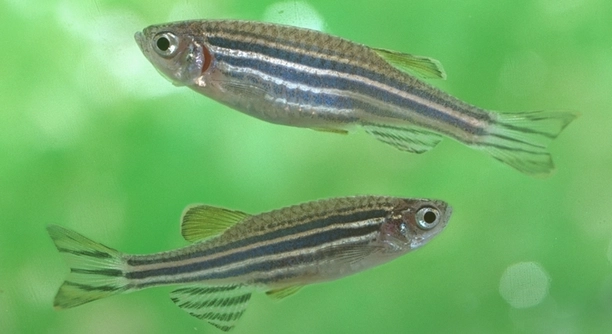
Have you ever noticed your zebra danios swimming differently when the tank light starts to dim at the end of the day?
Zebra danios can develop a sense of routine and may anticipate the tank light turning off by adjusting their behavior. Their internal biological clocks, influenced by consistent light schedules, help them recognize changes in their environment.
These small fish have fascinating habits that reflect their awareness of light patterns and daily routines in captivity.
How Zebra Danios React to Light Changes
Zebra danios are known for their active swimming and schooling behavior, but they also respond to changes in their environment, especially lighting. When kept in tanks with a consistent light schedule, they often begin to adjust their daily behavior patterns. Over time, many fishkeepers notice that zebra danios become less active or start swimming lower in the tank just before the light turns off. This isn’t a coincidence. Their internal clocks—known as circadian rhythms—are shaped by regular exposure to light and dark cycles. When these cycles are maintained consistently, zebra danios learn to associate certain times of day with certain behaviors, like resting or slowing down. This awareness is not based on conscious thinking but rather on biological processes that adjust based on environmental cues. The more regular the schedule, the more predictable their behavior becomes, creating a calm and balanced atmosphere in the aquarium.
Zebra danios benefit from routine. When lights go on and off at the same time daily, it helps them feel secure and reduces stress-related behaviors.
Creating a stable routine for your zebra danios doesn’t take much effort. Use a timer to automate the lighting schedule, ideally keeping lights on for 10–12 hours a day. Try to avoid sudden changes in the lighting, as abrupt darkness can startle them. Some aquarists also use dim lighting in the room during transitions to help the fish adjust more gently. Keep in mind that too much or too little light can interfere with their daily rhythm, so consistency is key. You may also notice that when the tank is too bright at night, it can disrupt their rest, leading to agitation or irregular swimming patterns. Observing how your fish behave during these transitions can help you understand what adjustments, if any, are needed to make their environment more comfortable.
How Circadian Rhythms Affect Zebra Danios
Zebra danios respond to the daily rhythm of light and dark by changing their behavior. These patterns are controlled by their internal clock, which influences activity and rest.
Like many animals, zebra danios follow a circadian rhythm that regulates their internal processes over a 24-hour cycle. This biological rhythm is mainly influenced by light exposure. In the wild, changes in natural sunlight guide their behavior. In an aquarium, artificial lighting replaces that pattern. When lights turn on, zebra danios usually become more active, feeding and swimming together. As light fades or turns off, they settle down, often resting near the bottom of the tank or behind decorations. Maintaining a regular light-dark schedule helps their biological clock stay on track, reducing stress and promoting healthy behavior. Disruptions to this rhythm, such as irregular lighting times or excessive tank light at night, may confuse them, affect their sleep, and even lead to signs of stress like darting or hiding.
Recognizing Patterns in Tank Behavior
Zebra danios often display specific behaviors right before the light turns off. These include slower swimming, gathering near plants or corners, and generally reducing activity, as if preparing for rest.
These behaviors aren’t random. Over time, zebra danios begin to connect the timing of light changes with moments of rest or quiet. If lights consistently turn off around the same hour each evening, danios may naturally start to wind down in anticipation. This learned response is influenced by both habit and their internal circadian rhythms. Their eyes adjust to dimmer light, and they often seek out darker spots to settle in. Even slight changes in their activity can be a clear sign they are responding to expected environmental cues. You may notice this more in tanks with minimal disturbances, where routine behavior is easier to spot without external factors causing confusion or sudden movement.
Keeping a consistent environment helps make these behaviors more obvious. If tank maintenance, feeding, or other changes are done irregularly, it can interfere with the routine your zebra danios begin to follow. Over time, their predictability fades if they can’t rely on consistent patterns. While each fish has small individual quirks, the group tends to behave in similar ways when the light is about to go off. Watching their cues carefully can help you know when adjustments are needed. A calm tank during transitions suggests the fish are well-adjusted to the schedule and not under unnecessary stress.
Setting the Ideal Lighting Routine
A consistent lighting routine creates a safe and stable environment for zebra danios. Using timers makes it easier to maintain this balance without needing to manually switch lights on and off every day.
Lighting should mimic a natural day and night cycle, with 10–12 hours of light followed by 12–14 hours of darkness. Timers help keep this consistent even when you’re busy or away. It’s also helpful to allow a few minutes of ambient room light before and after the tank light changes. This softens transitions and helps prevent stress. Sudden shifts can startle zebra danios and may lead to darting or injury. Adjust light placement so it evenly reaches all areas of the tank without creating harsh glare. Avoid bright room lights during their dark period to support restful behavior. A consistent lighting routine not only improves their physical health but also supports their daily rhythms, making them more comfortable and active during daylight hours.
How Environment Shapes Response
A quiet, stable tank helps zebra danios develop predictable behavior. Loud noises, sudden movements, or frequent changes in their setup can confuse them and interfere with how they respond to the tank light turning off each day.
When the tank environment is calm and routine, zebra danios can easily associate the light schedule with rest and activity.
What to Avoid with Light Schedules
Too much light can overstimulate zebra danios, making it hard for them to rest. Lights left on too long may also promote algae growth, affecting water quality. Avoid keeping the tank light on more than 12 hours a day. Sudden or irregular light changes can also increase stress. Using a reliable timer is one of the best ways to manage this. Also, do not place the tank near windows with strong sunlight, as natural light can interfere with the lighting routine and confuse the fish. Consistency is more important than brightness or duration alone.
Small Signs Mean a Lot
If your zebra danios start hiding earlier or slowing down before the light turns off, they’re adjusting well to the schedule.
FAQ
Can zebra danios learn to recognize the time of day?
Yes, zebra danios can recognize patterns in their environment, including the time of day. Their internal biological clocks, driven by circadian rhythms, help them adjust their behavior based on consistent lighting schedules. Over time, they learn to associate the changes in light with rest periods and become less active just before the light turns off.
Do zebra danios need a consistent light schedule?
Yes, zebra danios benefit from a stable light schedule. Having regular on and off times for the tank light helps regulate their internal clocks, reducing stress and promoting healthy behavior. A consistent schedule helps them feel secure, mimicking the natural cycle they would experience in the wild.
How long should the tank light be on for zebra danios?
The ideal duration for the tank light is 10–12 hours per day. This mimics the natural daylight cycle and helps zebra danios maintain their internal rhythms. Lights should be turned off for 12–14 hours to allow for rest. A timer is the best way to ensure a consistent light schedule.
What happens if the light schedule is irregular?
Irregular lighting can confuse zebra danios, disrupting their biological rhythms and leading to stress. If the light turns on or off at different times, the fish may become agitated, have trouble adjusting, or show signs of fatigue or erratic swimming. Consistency is key to helping them feel secure.
Can zebra danios be kept in tanks with no artificial light?
While zebra danios can survive in low-light conditions, they still require some form of light to regulate their behavior. Natural light can help, but it needs to be consistent and not overly bright. It’s best to use artificial light to ensure a predictable light cycle, as zebra danios rely on light to determine when to be active and when to rest.
Can zebra danios sleep in total darkness?
Zebra danios can sleep in darkness, but total darkness for extended periods might not be ideal. They still need a regular light cycle to maintain their circadian rhythms. If they are exposed to complete darkness for too long, it could lead to stress or confusion, affecting their health and behavior. Providing a dim light during the night is helpful in maintaining their sleep-wake cycle.
How do zebra danios react to light changes at night?
When the light dims or turns off, zebra danios often slow down and swim less. They may gather near the bottom of the tank or in shaded areas to rest. This behavior is linked to their natural response to fading light, signaling that it’s time to wind down for the night. Sudden changes in light intensity at night may disturb their sleep patterns, leading to stress.
Can zebra danios be trained to recognize certain times for feeding?
Yes, zebra danios can learn feeding routines. If you feed them at the same time every day, they will begin to associate that time with food and may even become more active when they sense feeding time approaching. Consistency in feeding schedules reinforces their internal clocks, helping them to anticipate meals.
Do zebra danios need complete darkness at night to sleep?
Zebra danios don’t require total darkness to sleep, but they do benefit from a dim environment that signals nighttime. Complete darkness can sometimes be unsettling, especially if it’s followed by sudden bright light in the morning. A steady cycle of light and dim light helps them adjust more naturally.
How does the tank’s environment affect zebra danios’ behavior?
The tank environment plays a significant role in how zebra danios behave. Factors like water quality, temperature, and lighting directly influence their activity levels. A well-maintained tank with clean water and a stable temperature will help zebra danios feel comfortable and encourage normal behaviors, like school swimming and rest.
Are zebra danios sensitive to changes in water quality?
Yes, zebra danios are quite sensitive to changes in water quality. Poor water conditions, like high ammonia levels, low oxygen, or high nitrate levels, can stress them out, leading to erratic behavior or illness. Regular water changes and proper filtration are crucial to maintaining their health and ensuring they are not overly stressed by their environment.
How can I ensure my zebra danios are comfortable in their tank?
To keep zebra danios comfortable, maintain a stable tank environment. This includes keeping the water temperature between 72°F and 78°F, ensuring proper filtration, and providing enough swimming space. Regular water changes and consistent lighting are essential to reduce stress. Also, avoid placing the tank in areas with excessive noise or temperature fluctuations.
Why do zebra danios school together?
Zebra danios are schooling fish, meaning they naturally swim in groups for protection. Schooling provides safety from predators and increases their chances of finding food. In the tank, they will often swim together in a coordinated pattern, especially when they feel secure in their environment.
Do zebra danios exhibit different behaviors during breeding?
Yes, zebra danios behave differently during breeding. During mating season, males become more active and display brighter colors to attract females. They may also chase females around the tank. Once the female is ready, she will lay eggs, which the male fertilizes. After breeding, the fish typically return to normal behaviors.
Can zebra danios live with other species in the same tank?
Zebra danios are peaceful and can live with many other species in a community tank, as long as the tank mates are not aggressive. They are small, active fish, so it’s best to choose similarly sized and temperate species. Avoid housing them with overly large or aggressive fish that may stress them out.
What is the ideal tank size for zebra danios?
The ideal tank size for zebra danios is at least 20 gallons for a small school. A larger tank allows for more space to swim, which is essential for their well-being. They are active swimmers and need plenty of room to move around and school together comfortably.
Are zebra danios prone to disease?
Zebra danios are generally hardy fish but can still be affected by common aquarium diseases, especially if the water quality is poor or they are stressed. Regular tank maintenance, proper feeding, and ensuring stable water conditions can help prevent disease and keep them healthy.
Can zebra danios live in a tank with live plants?
Yes, zebra danios can thrive in tanks with live plants. Plants provide hiding spots and can help keep the water clean by absorbing excess nutrients. Zebra danios may use plants to hide or rest, especially if they feel threatened. Just make sure to choose plants that are easy to maintain and do not overcrowd the tank.
Final Thoughts
Zebra danios are simple yet fascinating fish to care for. Their ability to adapt to a variety of tank conditions and light schedules makes them ideal for beginners and experienced aquarists alike. However, their well-being relies heavily on maintaining a stable environment, especially when it comes to lighting. Regular light cycles help them establish routines, promoting healthy sleep patterns and reducing stress. Having a consistent schedule can make a noticeable difference in their behavior, helping them feel secure and comfortable in their home.
Ensuring a proper light cycle is only one aspect of their care, but it plays a key role in their overall health. Like all fish, zebra danios thrive in environments where their needs are met consistently. Aside from light, water quality, temperature, and tank cleanliness are also critical. A proper balance of these factors creates a thriving ecosystem where your zebra danios can flourish. Without these basic elements in place, even the most well-established light schedules won’t be enough to maintain their health.
In the end, understanding how zebra danios react to light and maintaining their tank environment properly ensures they live long, happy lives. They are responsive to consistency and benefit from a regular routine that mimics natural cycles. Whether you are a beginner or an experienced aquarium keeper, these little fish offer valuable lessons in routine and care. By paying attention to their light needs, along with their other environmental requirements, you can enjoy watching them grow and thrive in your tank.

Hello,
If you enjoy the content that we create, please consider saying a "Thank You!" by leaving a tip.
Every little bit helps us continue crafting quality advice that supports the health, happiness, and well-being of pets around the world, for pets of all shapes, sizes, and species.
We really appreciate the kindness and support that you show us!