
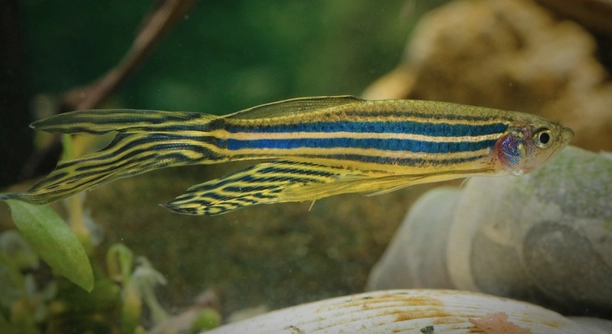
Have you ever watched your zebra danios swirl around each other and wondered if they’re showing affection or starting a fight? Their behavior can shift quickly, making it hard to tell what’s really happening in your tank.
Zebra danios may display chasing and circling when breeding, while aggressive fighting includes nipping, persistent chasing, and torn fins. Observing patterns and physical signs helps determine whether the behavior is reproductive or territorial.
Understanding these differences can help you protect your fish, prevent injury, and create a safe environment for potential breeding.
Breeding or Battling: What to Look For
Zebra danios are active fish, and their constant movement can make it difficult to tell when something is off. If your danios are breeding, you may notice chasing behaviors that seem playful rather than aggressive. The male typically chases the female in a quick, darting motion, often nudging her belly. This is a common sign that they’re trying to spawn. You may also see the female’s body become rounder as she carries eggs. During spawning, the pair might swim side by side near flat surfaces, where eggs are released. On the other hand, fighting tends to look more aggressive, with sudden jerks, fin nipping, or one fish being relentlessly pursued without rest. Fights are often territorial and can escalate, especially if there are too many males or limited space. Knowing these signs can help you respond properly and avoid unnecessary stress in your tank.
Breeding behaviors tend to look more fluid and rhythmic, while fighting is more erratic and stressful to watch.
If your zebra danios show frequent fin damage or signs of stress like hiding or rapid breathing, they may be fighting. Unlike breeding, which involves mutual interaction, fighting is often one-sided and persistent. Keeping a peaceful tank requires good observation.
Preventing Harm and Encouraging Breeding
A peaceful tank environment makes all the difference for zebra danios. Avoid overcrowding and try to maintain a balance of males and females, ideally two females for every male. This setup reduces competition and tension, creating better conditions for breeding. Hiding spaces, plants, and plenty of swimming room can also help reduce aggression. When danios feel safe, breeding behavior is more likely. During spawning, females may lay up to several hundred eggs, so use a breeding box or marbles at the bottom of the tank to protect the eggs from being eaten. Maintain consistent water temperature and quality, as fluctuations can trigger stress-related aggression. If you’re unsure whether the behavior is breeding or battling, try temporarily separating aggressive fish. Reintroducing them slowly can often calm the tank and reset behavior. Staying observant and proactive can protect your fish while giving them the best chance to breed naturally in your home aquarium.
Signs of Breeding Behavior in Zebra Danios
Breeding signs usually include chasing, nudging, and swimming in synchronized patterns. Males tend to pursue females gently, especially around the abdomen. You may also spot eggs scattered near tank surfaces or nestled between rocks or plants.
Females preparing to breed often develop a fuller, rounded belly due to egg development. Males become more active, focusing their attention on specific females. During spawning, the pair may stay close to each other, darting together in short bursts. Egg-laying typically happens early in the day, and the eggs fall to the bottom of the tank. Unlike fighting, this behavior seems purposeful and often repeated across several mornings. If you see eggs and no aggression follows, it’s likely breeding. The tank should be kept calm during this period, and sudden movements or loud noises near the aquarium should be avoided to reduce stress on the pair.
After spawning, zebra danios usually lose interest and go back to swimming normally. This is a key difference from fighting, where aggression continues. If eggs are left unprotected, adults may eat them, so you can use a spawning grate or marbles to prevent this. Checking for eggs helps confirm breeding and shows your tank conditions are suitable for reproduction.
Signs of Fighting Behavior in Zebra Danios
Fighting looks more intense, with quick darting, nipping at fins, and nonstop chasing. Fish under stress may isolate themselves, breathe heavily, or hover near the tank corners to avoid further aggression.
Zebra danios may fight due to overcrowding, unbalanced sex ratios, or stress caused by poor water quality. Aggression can become persistent, especially between males or if one fish feels its territory is threatened. Torn fins and missing scales are clear signs of ongoing conflict. Unlike breeding, which involves interaction between a willing pair, fighting usually involves one fish targeting another without letting up. The chased fish may begin hiding or stop eating. If left unchecked, this behavior can lead to illness or even death. To reduce aggression, rearrange tank décor, increase space, or separate the aggressive fish. Adding plants or dividers gives weaker fish more room to hide and recover. Observation helps you step in at the right time.
How to Respond to Breeding Behavior
If breeding is confirmed, avoid disturbing the pair. Provide a quiet, stable environment with proper lighting and gentle filtration. This helps support healthy egg development and increases the chances of successful fertilization and hatching.
After spawning, remove adult fish if you’re trying to protect the eggs. Zebra danios often eat their own eggs, especially if they’re easily accessible. Using a separate breeding tank can make this process easier to manage and improves fry survival.
How to Respond to Fighting Behavior
When fighting is ongoing, reduce stress by checking water parameters, improving tank layout, and separating overly aggressive fish. A change in tank conditions often helps restore peace among zebra danios.
When to Ask for Help
If injuries worsen or fighting continues despite changes, consult an experienced aquarist or local fish store. They can help identify deeper causes and recommend effective solutions.
FAQ
How can I tell if zebra danios are mating or just playing?
Zebra danios are active swimmers, and playful chasing is common. However, during mating, the behavior becomes more focused. Males chase females in short, repeated bursts, aiming at the belly area. The movement is quick but not aggressive. If the female appears calm and does not flee or hide, it’s likely breeding. Breeding also tends to occur early in the day, and you may see eggs in the tank afterward. Playful chasing, on the other hand, doesn’t usually lead to physical changes or eggs. Watching for consistency and direction in the behavior helps you tell the difference.
What should I do if I see eggs in the tank?
If you notice eggs in the tank, you can either leave them and accept the chance they may be eaten, or move them to a breeding tank for safety. Zebra danios often eat their eggs if they are not protected. You can use a breeding box or place marbles or mesh at the bottom of the tank to let the eggs fall through and stay hidden. Keeping the water clean and warm helps the eggs develop. If you want to raise fry, keep adults separate until the fry are strong enough to avoid being eaten.
Why do zebra danios sometimes bite each other?
Biting usually signals stress or territorial behavior, not play. It often happens when there’s not enough space, hiding areas, or if the group is unbalanced with too many males. Biting is more common during fighting and can result in torn fins or missing scales. In a peaceful tank, zebra danios rarely bite each other with force. If biting continues, check for signs of stress like erratic swimming, hiding, or breathing heavily. Adding more plants or decorations and adjusting the fish ratio can help reduce aggression and prevent further damage.
Can zebra danios breed in a community tank?
Yes, zebra danios can breed in a community tank, but raising fry there is difficult. Other fish—and even the danios themselves—often eat the eggs or fry. If you want to increase survival chances, use a separate breeding tank or protect the eggs with marbles or mesh at the bottom of the tank. Keep the water warm and clean to support egg development. Remove the adults after spawning to give the fry time to grow. In a busy tank, very few fry make it past the first few days unless given hiding spots.
How often do zebra danios breed?
Zebra danios can breed quite often under the right conditions. Some pairs may spawn every few days, especially if water is kept clean, warm, and food is plentiful. Frequent breeding doesn’t harm healthy adult danios, but it can be stressful if the tank is too crowded or lacks proper care. If you’re not planning to raise fry, it’s best to avoid encouraging constant breeding. Managing the tank environment can help control breeding frequency and reduce stress. You can also separate males and females if spawning happens too often and becomes overwhelming for the fish.
Should I remove aggressive fish from the tank?
Yes, if a fish is consistently aggressive and causes injury or stress to others, it’s best to remove it temporarily. You can place it in a separate tank or use a divider in the main tank to reduce tension. Sometimes rearranging the tank décor helps reset territorial behavior. Give the fish a few days apart before reintroducing them slowly. Watch their interactions carefully when they’re back together. If aggression returns, long-term separation may be necessary to protect the rest of the group. Always monitor for signs of stress or harm to catch problems early.
Can female zebra danios lay eggs without a male?
Yes, female zebra danios can still release eggs even if no male is present, but the eggs will not be fertilized and won’t hatch. This is a normal part of their biology and usually happens less often in the absence of males. If you notice eggs but no signs of fertilization or fry developing, it’s likely due to a lack of mating. The female may release them on her own and then eat them shortly afterward. Keeping only females in a tank can help reduce breeding behavior if you’re not looking to raise fry.
Final Thoughts
Understanding the behavior of zebra danios takes time, but knowing what to watch for makes things easier. These fish are very active and can show different behaviors depending on their environment, group size, and overall tank setup. It’s common to mistake playful chasing for aggression or breeding, especially if the group is small or unbalanced. Paying attention to body language, signs of stress, or any damage can help you decide what’s really happening. If your zebra danios are breeding, the chasing will seem more controlled and focused. If they are fighting, you’ll likely see damage to fins or scales and more intense chasing that doesn’t stop.
Keeping a calm and healthy tank is one of the best ways to avoid problems. Zebra danios do best in a group of six or more and need plenty of space to swim. A tank with hiding spots, plants, and gentle water flow helps reduce stress. When the tank feels safe and stable, most zebra danios will get along well and even breed naturally if conditions are right. If you’re trying to raise fry, it helps to use a separate breeding tank or some form of egg protection to prevent the adults from eating them. On the other hand, if you’re not planning to breed, there’s no need to worry as long as the adults stay healthy.
Always watch for changes in behavior. Sudden aggression, constant chasing, or hiding can be signs that something needs to be adjusted. Sometimes a small change like adding more cover or fixing water conditions makes a big difference. It’s normal to see small chases or displays of dominance from time to time, but they should not lead to injury or constant stress. If problems continue even after changes, it may be time to separate certain fish or seek advice. By staying observant and keeping their needs in mind, you can enjoy a peaceful tank where your zebra danios thrive. Whether they are breeding or just being active, a well-maintained tank helps support their natural behavior in a safe way.

Hello,
If you enjoy the content that we create, please consider saying a "Thank You!" by leaving a tip.
Every little bit helps us continue crafting quality advice that supports the health, happiness, and well-being of pets around the world, for pets of all shapes, sizes, and species.
We really appreciate the kindness and support that you show us!