
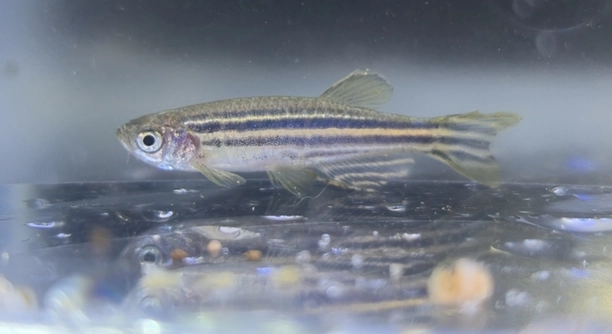
Have you ever watched your zebra danios zip around the tank and wondered if there’s more to their movements than random swimming?
Zebra danios display specific movement patterns that serve social, environmental, and survival functions. Their swimming behavior includes schooling, darting, and circular motions, each of which reflects their natural instincts and adaptability in captive environments.
Understanding their patterns reveals helpful insights about their health, behavior, and how to create a more comfortable space for them.
Zebra Danios Rarely Sit Still
Zebra danios are active swimmers that rarely stay in one place for long. Their constant motion isn’t just playful—it helps them stay safe, explore their environment, and interact with others. They often swim near the surface or mid-level of the tank and change direction quickly. These quick, darting motions can be signs of alertness or response to changes in their surroundings. You may also notice them swimming against the current from the filter, which helps them stay physically active. This kind of movement helps with muscle development and keeps their energy levels balanced, especially in a well-maintained aquarium.
Their activity levels usually drop at night.
When zebra danios suddenly stop moving during the day, it may be caused by poor water quality, stress, or lack of stimulation. Regular water checks, the right tankmates, and enough space all help keep their movements steady and natural.
Schooling Is Not Just for Show
Zebra danios naturally form schools in both wild and home aquariums.
Schooling helps reduce stress, improve coordination, and give a sense of safety. When kept alone or in very small groups, zebra danios may become anxious and develop odd behaviors like hiding or nipping at tankmates. A proper school, usually five or more, allows them to swim in harmony, often making turns together and adjusting speed to stay close. Watching a school of zebra danios swim in sync is not only relaxing but also an indication that they feel secure in their space. This behavior also allows them to respond faster to changes like light shifts or new objects in the tank. If one fish notices something unfamiliar, the others often react the same way within seconds. This quick group reaction is one of their natural defenses and makes schooling an essential part of their daily routine.
Quick Direction Changes Mean Something
Zebra danios are known for making fast, sudden turns in the water. These quick direction changes help them avoid perceived threats or respond to environmental changes. It’s also how they communicate their awareness and stay alert as a group.
Rapid changes in direction can also happen during feeding or play. When food is added, zebra danios often rush to the surface, then dart away quickly to avoid bumping into each other. These movements are part of their natural instinct to grab food quickly and stay safe. During play, they may chase each other in circles, making quick turns as they mimic behaviors found in the wild. These patterns don’t indicate aggression but show a healthy level of energy and social interaction. If your danios stop making quick movements or become sluggish, it could be a sign that something in the tank environment needs adjustment.
Regular exercise through these movements helps with muscle strength. A tank with open swimming space and a gentle water flow supports their activity. When the tank is too crowded or lacks stimulation, they may reduce their movement or show stress signs. Watching for these movement changes can help you understand how well they’re adjusting and whether their setup meets their needs.
They Respond to Light and Shadows
Zebra danios react quickly to shifts in light. Sudden brightness or shadows passing over the tank can startle them and cause them to scatter or dive. This is a natural survival instinct they retain even in calm home tanks.
Gradual light changes help reduce stress. Using a dim light before turning on the main one gives them time to adjust and lowers the chance of startling them. Zebra danios often learn your routine and will become more relaxed if they know what to expect. If shadows constantly pass over the tank—such as people walking by or sudden movements—they might hide more often or dart around in short bursts. Positioning the tank in a low-traffic area and using a background or plants can help create a calmer setting. These changes make a noticeable difference in their comfort and help maintain steady, natural movement.
Movement Slows When They Are Sick
Zebra danios tend to move less when they are not feeling well. Sluggish swimming, staying near the bottom, or isolating from the group can all point to a health issue that needs attention.
A sudden drop in activity often means something is wrong with water quality, temperature, or their diet.
Fast Swimming Can Be a Sign of Stress
Zebra danios sometimes swim rapidly back and forth along the tank walls when they are stressed. This pacing is not the same as playful movement. It often happens after a recent change in the tank, like new fish, poor water conditions, or strong currents.
If this behavior continues, it’s helpful to check ammonia, nitrite, and pH levels, as poor water conditions are often involved. A crowded tank or a lack of hiding spots may also trigger this reaction. Creating a peaceful environment with live plants, good filtration, and enough space usually reduces stress-related swimming. Giving them a regular feeding routine and limiting loud noises around the tank also helps support calm, balanced movement throughout the day.
Some Movement Patterns Are Learned
Zebra danios can develop habits based on their environment. If feeding always happens at the same time, they may gather near the surface in advance. Repeating routines leads to familiar movement.
FAQ
Why do zebra danios swim in circles?
Zebra danios may swim in circles for several reasons. It’s often a behavior related to excitement, play, or social interaction. When they swim in tight circles, it may be a display of energy or an attempt to chase each other. In the wild, this could mimic their natural schooling behaviors or help them find food. However, if the circular swimming becomes constant or excessive, it could point to stress, lack of space, or an environmental issue that needs addressing. Ensuring a balanced tank environment with adequate space and hiding spots can help reduce these circular movements.
How do zebra danios interact with other fish?
Zebra danios are generally peaceful and sociable, thriving in community tanks. They tend to stay in schools with their own kind but will interact with other fish in the tank. While they don’t show territorial behavior, they might be more active or playful with other non-aggressive species. However, avoid keeping them with fin-nipping or aggressive fish, as this can lead to stress and abnormal movement patterns. Zebra danios are known to avoid conflict, and they are typically calm around tankmates unless they feel threatened.
Do zebra danios prefer fast or slow-moving water?
Zebra danios prefer moderate water flow. They are naturally found in streams with moderate to fast-moving water in the wild, so a gentle current in the aquarium mimics their natural environment. However, if the water flow is too strong, they may show signs of stress, like swimming erratically or avoiding certain areas of the tank. A filter with adjustable flow settings is a good option to maintain a balance that encourages healthy swimming while preventing any discomfort.
Are zebra danios active all day?
Zebra danios are diurnal, meaning they are most active during the day and tend to slow down at night. You’ll see them swim around and interact with their tankmates during daylight hours, especially when they are excited or searching for food. At night, they usually rest, although some may continue moving lightly. Their daytime activity levels can be influenced by environmental factors, such as water temperature, light conditions, and tank setup. Ensuring consistent, moderate lighting and temperature helps maintain their natural sleep and wake cycles.
Why do zebra danios swim in the middle of the tank?
Zebra danios often swim in the middle of the tank because they feel safest in this area. The middle level offers an ideal balance between avoiding potential threats near the surface and bottom. It’s a natural zone where they can interact with each other and feel secure while maintaining visibility of their surroundings. If your zebra danios are constantly hovering at the surface or near the bottom, it could indicate stress, poor water quality, or unsuitable tank conditions. A well-maintained tank with proper filtration encourages them to stay within the mid-range area.
How can I tell if my zebra danio is stressed?
Stress in zebra danios can be observed through several behavioral changes. They may stop schooling, swim erratically, or hover in one spot for long periods. You might also notice them darting rapidly or staying near the tank’s bottom. Another sign of stress is if they stop interacting with their tankmates. Poor water quality, overcrowding, aggressive tankmates, or dramatic changes in the tank environment can all cause these stress behaviors. Monitoring water parameters, ensuring enough hiding spots, and maintaining a peaceful atmosphere will help alleviate stress.
Do zebra danios like to hide?
While zebra danios are social fish, they still appreciate having places to hide. Having plants, rocks, or caves in the tank can give them areas to retreat to when they feel threatened or need rest. This is especially important if the tank contains more aggressive species that might cause stress. Zebra danios don’t typically hide for extended periods unless they are feeling anxious or unwell. If they’re frequently hiding or isolating themselves from the group, it’s a sign that something in the environment may need to be adjusted.
Can zebra danios change their swimming patterns?
Zebra danios can adjust their swimming patterns based on their environment. For example, if they feel threatened, they may swim in tight, erratic circles, or they might become more active and swim faster. Changes in water temperature, tankmates, or the introduction of new objects in the tank can cause them to adjust their behavior. These adjustments help them navigate through their surroundings or avoid potential danger. If the swimming pattern change is drastic or prolonged, it’s important to check water conditions and the overall tank setup.
Do zebra danios need a lot of space to swim?
Zebra danios need enough space to swim freely and stay active. In smaller tanks, they may become stressed and exhibit abnormal behaviors like constant pacing or erratic swimming. A tank with a capacity of at least 10 gallons for a small group is recommended to provide them with enough swimming room. Larger schools or tanks with more fish will require even more space to ensure each fish has enough room to move naturally. A spacious, well-maintained tank allows them to express their natural swimming behavior, reducing stress and encouraging health.
Final Thoughts
Zebra danios are fascinating fish that display a wide range of behaviors in response to their environment. Their movement patterns are influenced by factors such as water quality, lighting, and interactions with other tankmates. From quick bursts of energy to calmer moments of swimming, these fish are always in motion, showcasing their natural instincts and social behaviors. By paying attention to their movements, you can better understand their needs and create an environment that supports their well-being.
Proper tank conditions are essential for maintaining healthy movement patterns. Clean water, adequate space, and the right temperature are crucial factors in keeping your zebra danios active and comfortable. Stress can cause them to slow down or swim erratically, which may signal that something in their environment needs adjustment. Regular monitoring of water parameters and adjusting the tank setup as needed will ensure that your zebra danios remain in top condition. A peaceful and stable environment helps them thrive and maintain their natural swimming behaviors.
If you’re looking to enhance the activity levels of your zebra danios, offering a balanced diet and keeping the tank free of aggressive fish will encourage them to stay active and engaged. Additionally, providing places to hide, like plants or decorations, can help them feel secure while allowing for plenty of open space to swim. Overall, understanding and observing their movement patterns will help you better care for these lively and energetic fish, ensuring they lead healthy and happy lives in your tank.

Hello,
If you enjoy the content that we create, please consider saying a "Thank You!" by leaving a tip.
Every little bit helps us continue crafting quality advice that supports the health, happiness, and well-being of pets around the world, for pets of all shapes, sizes, and species.
We really appreciate the kindness and support that you show us!