
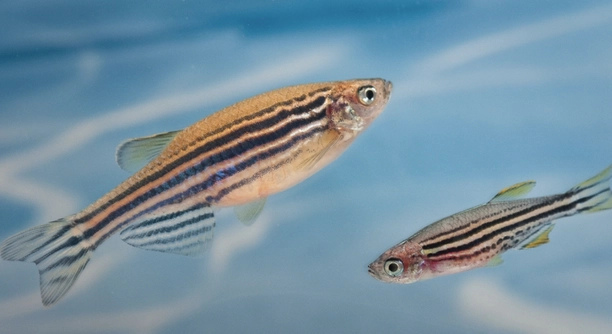
Zebra Danios are popular fish in home aquariums, but like all pets, they can face health issues. Spotting early signs of disease can help prevent more serious problems. Understanding what to look for is key to keeping them healthy.
The main way to spot early Zebra Danio disease is by observing their behavior and physical appearance. Changes such as lethargy, loss of appetite, or abnormal swimming patterns often signal illness. Pay attention to any unusual spots or lesions on their bodies.
Knowing the early signs of illness can help you protect your fish and keep their environment healthy. Let’s explore how to spot these symptoms and what steps to take.
Observing Changes in Behavior
One of the first signs of illness in Zebra Danios is a change in behavior. Normally active and curious, these fish may become lethargic, swim less, or avoid interacting with the environment. You may notice them hiding more often or staying near the surface of the water. Their normally playful nature should remain consistent, so any sudden shift should be taken seriously. In some cases, a fish might swim erratically or seem disoriented, which is another red flag. Keeping an eye on these changes can help catch issues before they become severe.
Changes in behavior are usually one of the earliest indicators that something is wrong. They may also start to lose interest in food or seem overly stressed. These signs often signal that the fish may be dealing with an infection or water quality issue.
When you notice changes in behavior, it’s essential to act quickly. Check the water parameters such as temperature, pH, and ammonia levels to make sure the environment is healthy. If the water checks out, consider potential illnesses like parasites or bacterial infections. These could affect your Zebra Danio’s behavior significantly. Treating the illness early on can prevent further complications. If you’re unsure, you might want to quarantine the affected fish to prevent spreading the disease to others in the tank.
Inspecting for Physical Signs
Physical symptoms in Zebra Danios can range from subtle to severe. Common signs to look for include spots, lesions, and changes in their color. White or grayish spots on their skin are usually a sign of parasitic infections, while open sores may indicate bacterial issues. Their fins might look frayed, or the body may appear swollen. Changes in their appearance, such as a dull or faded color, can also indicate stress or illness.
Early detection of physical symptoms is crucial for treating the illness before it worsens. If you notice abnormal changes, it’s best to consult a vet or aquatic specialist to get a proper diagnosis.
Physical symptoms should not be ignored, as they often signal a deeper issue. The sooner these changes are noticed and addressed, the higher the chance of recovery. It’s also important to monitor the behavior and environment of your fish to spot any potential health concerns.
Monitoring Eating Habits
Loss of appetite is a common symptom in sick Zebra Danios. Healthy fish are typically eager to eat, so if you notice your fish avoiding food or eating less than usual, it could be a sign of an issue. Lack of interest in food often correlates with stress, water quality problems, or internal parasites. Pay attention to how much food is being left uneaten and whether other fish are eating normally.
If your Zebra Danio is not eating, check the water quality immediately. Poor water conditions can cause stress, leading to loss of appetite. It’s important to also consider overfeeding or a poor diet. If your fish’s diet is not balanced, it can lead to nutrient deficiencies and make them more susceptible to illness.
Sometimes, changes in eating habits can be linked to a more serious underlying issue. If the fish is still not eating after improving the water conditions or changing its diet, consult an expert for potential health problems such as internal parasites or bacterial infections. Prompt action will give the fish a better chance of recovery.
Checking for Abnormal Swimming Patterns
Abnormal swimming behavior is another key indicator of illness. Healthy Zebra Danios are active swimmers, but when they’re unwell, they may exhibit unusual swimming patterns. For example, fish may swim in circles, swim upside down, or appear to struggle to maintain balance. This could be a sign of a physical problem, like swim bladder disease, or it could indicate infection.
One common cause of abnormal swimming is poor water quality. High levels of ammonia or nitrites can affect a fish’s ability to swim properly. Other times, internal infections or parasites can disrupt their balance. If you notice these symptoms, it’s important to assess the tank environment. Check for any sudden changes that could have stressed the fish.
In some cases, abnormal swimming can be a temporary condition that resolves once water quality improves. However, if the problem persists, it could be a sign of something more serious. Treatment may involve antibiotics or specialized medications to target specific illnesses, so it’s important to act quickly. Regular observation and water testing are key to spotting this issue early.
Observing Gills and Breathing
The gills of Zebra Danios should appear pink and healthy, with no signs of swelling or discoloration. If the gills look pale or there’s excessive gill movement, it may signal a respiratory problem. Gasping at the surface can also indicate low oxygen levels or water quality issues.
It’s important to check water conditions if you notice abnormal gill behavior. Poor filtration or high levels of toxins can lead to breathing difficulties. Also, respiratory infections can cause excessive gill movement or discolored gills. Monitoring these signs early can prevent the spread of illness.
Looking for Excessive Sliminess or Mucus
Excessive mucus or sliminess on a Zebra Danio’s body is a common sign of infection. This can indicate skin irritation, bacterial infections, or parasites. Healthy fish should have smooth, clear skin without any noticeable slime buildup.
If you notice increased slime, it’s crucial to check for any lesions, sores, or signs of external parasites. These conditions may require specialized treatments to help your fish recover and prevent infections from spreading to others in the tank.
FAQ
What should I do if my Zebra Danio stops eating?
If your Zebra Danio stops eating, the first step is to check the water conditions. Poor water quality, such as high levels of ammonia or low oxygen, can lead to a loss of appetite. Perform a water test and make sure all parameters are within the recommended ranges. If the water conditions are fine, consider adjusting the diet. Sometimes, they might be disinterested in their regular food. Try offering a different type of food, like live or frozen food, to tempt them. If the loss of appetite continues for more than a few days, it could indicate illness, and you should consult an expert.
How can I tell if my Zebra Danio has a parasite?
Parasites are often visible as small, white spots on the skin or fins of your Zebra Danio. This can be a sign of Ich, a common parasitic infection. Additionally, if your fish is rubbing its body against objects in the tank or exhibiting abnormal swimming patterns, this might suggest the presence of external parasites. If you suspect parasites, it’s essential to act quickly. Quarantine the affected fish to prevent the spread of the infection and treat with anti-parasitic medication according to the product instructions.
What are the common signs of a bacterial infection in Zebra Danios?
Bacterial infections often show up as red or inflamed areas on the fish’s body or fins. You may also notice open sores, ulcers, or unusual swelling. In more severe cases, the fish may develop a fungal appearance or mucus build-up on its skin. Bacterial infections can often result from poor water conditions or stress, so improving the tank environment is key to treatment. If you spot these signs, isolate the affected fish and consider using an antibiotic treatment to address the infection. Always follow the dosage instructions carefully to avoid harming your fish.
How can I improve water quality for my Zebra Danios?
Improving water quality is essential for keeping Zebra Danios healthy. Regular water changes (about 20-30% per week) are important to keep ammonia and nitrite levels low. Ensure your tank has an effective filtration system that can handle the size of your tank. Test the water regularly for ammonia, nitrites, nitrates, pH, and temperature. Zebra Danios prefer a temperature range between 65°F and 75°F (18°C to 24°C), so make sure your heater maintains that. Also, avoid overcrowding the tank to reduce stress and waste build-up.
What causes Zebra Danios to swim upside down?
Swimming upside down in Zebra Danios is often a sign of swim bladder disease. The swim bladder controls buoyancy, and if it’s affected, the fish may have difficulty swimming properly. This condition can be caused by overfeeding, constipation, or infections. To help, reduce the amount of food offered and try feeding them a diet that helps with digestion, such as blanched peas. If the problem persists, it may be necessary to treat with specialized medications or consult an aquarium vet.
Can Zebra Danios get sick from stress?
Yes, stress is a major factor in the health of Zebra Danios. They are sensitive to changes in water conditions, sudden temperature shifts, overcrowding, or aggressive tankmates. Stress weakens their immune system, making them more susceptible to diseases like bacterial infections, parasites, or fungal growth. To reduce stress, ensure the tank environment is stable, avoid rough handling, and provide a calm, peaceful setting with compatible fish. Healthy fish are less prone to illness, so maintaining a stress-free environment is essential.
How do I treat a Zebra Danio with white spots?
White spots on a Zebra Danio’s body are commonly associated with Ich, a parasitic infection. If you notice these spots, it’s crucial to act fast. Begin by raising the water temperature slowly (within safe limits) to speed up the life cycle of the parasite, and add anti-parasitic medication to the tank. Quarantining the infected fish can prevent the spread of the disease. Be sure to clean the tank thoroughly after treatment to ensure any remaining parasites are eradicated. Follow the medication’s instructions carefully to ensure complete treatment.
Why are my Zebra Danios losing their color?
A loss of color in Zebra Danios can indicate several issues, including stress, poor water quality, or illness. Stress from poor tank conditions, aggressive tankmates, or overcrowding can cause them to lose their bright colors. Similarly, if the water is not clean or there are high levels of ammonia, it can affect their health and appearance. Ensure the water parameters are within the ideal range and that the fish have a peaceful environment. If color loss persists, it could be a sign of a deeper health problem, and you may need to consult a specialist.
Can Zebra Danios survive without a filter?
While Zebra Danios can technically survive without a filter for a short time, it’s not ideal. Filters help maintain water quality by removing excess waste and toxins like ammonia and nitrates. Without a filter, you would need to perform more frequent water changes (at least twice a week) to keep the tank clean. However, a filter also provides water movement, which Zebra Danios prefer. Without it, they may become stressed and more susceptible to disease. It’s always best to have a filtration system to maintain a stable environment for your fish.
How often should I change the water for Zebra Danios?
You should perform partial water changes at least once a week to maintain good water quality. A 20-30% change is ideal. If your tank has more fish or the water quality deteriorates quickly, you may need to change it more often. Regular water changes help prevent the build-up of harmful toxins like ammonia and nitrites, which can harm your Zebra Danios. Always treat tap water with a dechlorinator before adding it to the tank to avoid introducing harmful chemicals.
Why are my Zebra Danios rubbing against objects in the tank?
If your Zebra Danios are rubbing against objects, it could be a sign of external parasites like Ich or Velvet. This behavior is known as “flashing” and occurs when fish feel irritated by the parasites. It could also indicate that the water quality is poor or there is some kind of skin irritation. Check the water parameters and treat the tank with appropriate anti-parasitic medication. If the problem persists, isolate the affected fish and consult an expert to diagnose the issue.
Final Thoughts
Caring for Zebra Danios can be a rewarding experience, but it requires attention to detail. These fish are relatively hardy, making them great for beginners, but they still need a proper environment to thrive. Regular monitoring of water conditions and keeping an eye on their behavior will help you spot any issues early. By paying attention to subtle changes in their routine, you can address problems before they become serious. Healthy Zebra Danios are active, colorful, and interactive, so if they start showing signs of distress, it’s time to take action.
It’s essential to provide Zebra Danios with clean, well-maintained tanks. Poor water quality is one of the most common reasons for health problems, so keeping the water parameters in check is vital. Invest in a good filtration system, and perform regular water changes to keep the environment stable. Additionally, avoid overcrowding and ensure the tank mates are compatible to reduce stress. With proper care, your Zebra Danios can live for several years and maintain a strong, vibrant presence in your tank.
Lastly, don’t hesitate to seek professional help if you’re unsure about the health of your fish. Whether it’s consulting an aquarium vet or reaching out to an experienced aquarist, expert advice can provide useful insights. Early detection of diseases and knowing the proper treatments can make all the difference. Keeping Zebra Danios healthy involves patience and consistent care, but the reward is a lively and beautiful aquarium full of these charming fish.

Hello,
If you enjoy the content that we create, please consider saying a "Thank You!" by leaving a tip.
Every little bit helps us continue crafting quality advice that supports the health, happiness, and well-being of pets around the world, for pets of all shapes, sizes, and species.
We really appreciate the kindness and support that you show us!