
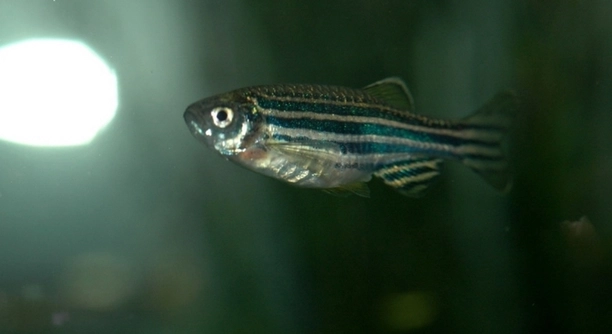
Have you ever stood by your fish tank at night, wondering how your zebra danios are moving so confidently in the dark?
Zebra danios are capable of navigating in complete darkness using their lateral line system, which detects water movement and vibrations. This ability allows them to avoid obstacles, find food, and interact with their environment even without any visible light.
Understanding how zebra danios adapt in low-light environments can help improve tank setups and support healthier fish behavior.
How Do Zebra Danios Sense Their Surroundings Without Light?
Zebra danios have a unique way of sensing their surroundings, even when there’s no light in the tank. They rely on a special system called the lateral line. This line runs along the sides of their bodies and helps them detect movement in the water. It picks up vibrations and changes in pressure, which allows them to understand what’s happening nearby. This is very useful when they need to avoid bumping into things or swimming into other fish. Since their eyesight doesn’t work well in darkness, this system becomes their main way of getting around and staying safe. It also helps them stay close to their group and avoid predators. This natural ability comes from years of adapting to different environments in the wild. While they can see in normal lighting, they do not need vision to move confidently when the tank goes dark.
The lateral line helps zebra danios swim smoothly in the dark and stay aware of their environment without needing to rely on eyesight.
Along with the lateral line, zebra danios may also use their sense of smell and hearing to interact with their surroundings. These senses are especially important in unfamiliar or low-light conditions where vision can’t help them.
What This Means for Your Tank Setup
Lighting doesn’t have to stay on all the time for zebra danios to be active and safe in the tank.
If your zebra danios live in a tank that occasionally goes dark, you don’t need to worry. Their natural ability to move and explore without light is part of what makes them so adaptable in home aquariums. That said, it’s important to support their comfort with a few helpful changes. Adding soft decorations like smooth rocks, driftwood, or live plants can reduce stress and prevent injury. Sharp or crowded tank setups might confuse them when they rely more on touch and sensing movement. Keep the water clean and stable so their lateral line can work at its best. Try to avoid sudden water disturbances, as these can overwhelm their senses. Providing hiding spots also helps them feel secure when they need rest. While they do not require light to find their way around, keeping a regular day-night cycle still supports healthy behavior.
Are There Any Signs They Struggle Without Light?
Some zebra danios may show mild stress if the tank is too dark for too long. You might notice them swimming more slowly or separating from the group more than usual, especially if the environment feels unfamiliar or cluttered.
Zebra danios rely on group behavior, and any changes in their usual swimming pattern could be a sign of discomfort. In complete darkness, if their tank has sharp or uneven objects, they might become more cautious or bump into things. This isn’t because they’re completely lost—it’s more about needing time to adjust. If they stay inactive or hide for extended periods, it could mean they’re feeling unsure about the space. Ensuring a familiar layout helps them feel safer when the lights go off. Their confidence improves when they can depend on consistent water conditions and a layout they recognize through their senses.
Sometimes, if zebra danios are startled by a sudden loss of light, they may dart quickly around the tank. This quick movement is usually short-lived, but it’s a good reminder to avoid abrupt changes in lighting. A gradual dimming of lights in the evening mimics their natural environment better. It allows them to ease into darkness without triggering a stress response. Observing how they react over time helps you understand what makes them comfortable. With some attention to their tank setup and schedule, most zebra danios handle low-light moments very well.
How to Create a Comfortable Low-Light Setup
Keep decorations smooth and well-spaced so the danios can sense and move around without injury. Soft plants, rounded rocks, and hiding places help them feel secure even when vision isn’t possible.
Use gentle lighting that dims slowly at night instead of shutting off suddenly. This gives zebra danios time to adjust and remain calm. Stick to a consistent day-night schedule to support their rhythm. Keep filters running smoothly and avoid loud bubbling or strong currents that might interfere with their ability to detect movement. Avoid crowding the tank with too many objects or fast-swimming fish that might create confusion during dark periods. Keeping the tank peaceful and predictable goes a long way in making your zebra danios feel at ease.
A calm environment with consistent lighting and clear swimming space helps zebra danios use their senses better. If they know where objects are, they can move freely and feel safe, even in darkness. When the tank has sudden shadows or loud noises, they might startle more easily. That’s why it’s a good idea to keep the environment steady, especially in the evenings. If you use a night light or moonlight feature, make sure it’s not too bright, as that can disrupt their rest. Just enough light to keep their rhythm natural is all they need. Setting up the tank this way will keep your zebra danios healthy and relaxed, even when the lights are off.
Can Total Darkness Affect Their Behavior?
Zebra danios may become less active in total darkness for long periods. While they can navigate just fine, they might reduce their swimming or separate slightly from their group, especially if the tank setup feels unfamiliar or cluttered.
Extended darkness can also affect their feeding patterns. If feeding times are inconsistent with the light schedule, they may take longer to find food or show less interest in eating. This doesn’t mean they are unhealthy, but it’s something to watch if their behavior changes regularly.
Why a Day-Night Cycle Still Matters
Even though zebra danios can function in complete darkness, maintaining a regular day-night cycle helps regulate their behavior and internal clock. Like many animals, they benefit from predictable light exposure, which supports rest, feeding, and social interaction. A simple timer for your tank light can help create this routine. Fish that don’t get enough light exposure may become restless or appear more stressed. Keeping lights on for 10 to 12 hours a day and then allowing for a darker period helps them stay healthy. The key is balance—not too much light, but not total darkness all the time either.
What to Avoid in Dark Tanks
Avoid using harsh tank equipment with strong currents or bright flashes that may startle the fish when lights are off. Sudden disruptions can cause confusion and stress.
FAQ
Can zebra danios see in complete darkness?
Zebra danios do not rely on sight in complete darkness. Instead, they use their lateral line system to sense vibrations and movements in the water. This ability helps them navigate their environment, avoid obstacles, and interact with other fish even when there’s no light. Their vision is not as useful in the dark, but their other senses are well-developed to compensate for the lack of light.
Do zebra danios need light to survive?
Zebra danios do not require light to survive, but they do need a consistent light-dark cycle to stay healthy. While they can live in a tank without light, having a regular day-night rhythm is important for their overall well-being. Without a natural light schedule, their internal clock may become disrupted, affecting their behavior, feeding habits, and social interactions. Ideally, they should have around 10-12 hours of light and 12-14 hours of darkness each day.
How do zebra danios find food in the dark?
Zebra danios primarily rely on their lateral line system to find food in low-light conditions. The system detects water vibrations caused by the movement of food particles or the presence of other fish. In complete darkness, they might use this sense more heavily. They can also pick up on smells or chemicals in the water, which helps them locate food. If you feed your danios at the same time every day, they’ll learn to associate that time with food, even in low-light settings.
Can zebra danios get stressed in the dark?
While zebra danios are capable of navigating in darkness, they can get stressed if the tank remains dark for too long or if they feel disoriented due to sudden changes. They rely on the ability to move freely and interact with other fish, so if the tank’s layout is unfamiliar or crowded, it can cause them stress. To prevent this, it’s best to provide a familiar and comfortable environment and maintain a regular light cycle. If they seem overly anxious or are hiding for extended periods, it could be a sign that they need more light or a more predictable routine.
Do zebra danios need to be in a group to thrive in the dark?
Yes, zebra danios are social fish, and they feel safer when surrounded by their group. Even in darkness, they will often stay close to other danios, relying on their social structure for comfort and security. If kept alone, they might become more stressed or exhibit strange behavior. Keeping them in small groups (at least 3-5) helps reduce stress and encourages natural behaviors.
Can I use a nightlight for zebra danios?
A nightlight can be used for zebra danios, but it’s important that the light is dim and not overly bright. Too much light can disrupt their sleep and internal clock. A soft, low-intensity nightlight mimics moonlight and can help them feel more secure without affecting their natural behavior. It’s best to follow a regular light schedule, with the lights off at night, so they can rest and follow their natural cycles.
What kind of tank setup is best for zebra danios in low light?
Zebra danios thrive in tanks with a mix of hiding spots, smooth rocks, and plants. While they don’t need bright light, having a setup that’s easy for them to navigate in the dark is essential. Avoid sharp objects or items that might cause injury if they bump into them while relying on their lateral line. A well-planted tank with soft, non-intrusive decor helps them feel secure even without much light. Keep water conditions stable and avoid rapid changes that might disorient them in the dark.
Do zebra danios need constant light?
No, zebra danios do not need constant light. In fact, they benefit from a natural day-night cycle. Constant light can cause stress and disrupt their behavior, as they don’t have the opportunity to rest. It’s important to give them a break from the light, allowing them to have a period of darkness each day. This ensures they get enough rest and maintain a healthy cycle. Typically, 10-12 hours of light and 12-14 hours of darkness works well for them.
How can I tell if my zebra danios are stressed in low light?
If zebra danios are stressed in low light, you may notice changes in their behavior. They may swim less or seem more cautious than usual. You might also see them hiding more often or becoming less social with other fish. Another sign of stress is erratic swimming, such as darting or swimming frantically. If you notice these behaviors, it could mean the tank conditions are not ideal, or the lighting is too bright or inconsistent. Try adjusting the light levels, adding hiding spots, or ensuring the tank’s layout is suitable for their needs.
Can zebra danios find their way around a new tank in the dark?
Zebra danios can adjust to a new tank, even in the dark, but they may take some time to explore. Their lateral line system helps them navigate unfamiliar environments by detecting water vibrations. However, if the tank is too cluttered or lacks smooth surfaces, it may take them longer to get comfortable. If you introduce them to a new tank, make sure it has familiar items like plants and rocks, and give them time to adjust. Keeping a consistent light cycle will also help them get accustomed to their new home.
Is it okay to have a tank with intermittent light for zebra danios?
Zebra danios do best with a consistent light schedule. While some light fluctuations are normal throughout the day, drastic changes in lighting can cause stress and confusion. If the lights turn on and off frequently or at unpredictable times, it can disrupt their natural rhythms. Maintaining a stable routine, with consistent light and dark periods, ensures their internal clocks stay on track. Avoid having the tank light on for extended periods or turning it off abruptly, as it can cause stress and disrupt their behavior.
Final Thoughts
Zebra danios are incredibly adaptable and resilient fish, able to navigate their environment even in complete darkness. Their ability to sense vibrations through the lateral line system is a key factor in how they move around and interact with their surroundings. While they do not need light to survive, maintaining a regular day-night cycle in their tank helps support their natural behavior and overall health. By providing a stable environment with a mix of light and darkness, you ensure they have a comfortable space where they can thrive.
Although zebra danios can handle some periods of darkness, it’s important to be mindful of how the tank is set up. Avoid sudden changes in lighting or overcrowding, which can cause stress and confusion. Instead, focus on creating a tank that has plenty of smooth surfaces and hiding spots for them to feel secure. Even without light, these fish rely on their other senses to navigate and find food, so a familiar tank layout will help them move confidently. Regular feedings and a predictable routine will also help them stay calm and active.
In conclusion, zebra danios are well-equipped to live in a tank with limited light, but their well-being is still closely tied to a balanced environment. By understanding their natural instincts and providing a consistent lighting schedule, you can help them adapt easily to dark conditions. Whether you’re new to keeping danios or have been caring for them for a while, ensuring that they have a stable and familiar environment will go a long way in maintaining their health and happiness. With a little attention to their needs, these small but active fish can flourish in a variety of tank setups.

Hello,
If you enjoy the content that we create, please consider saying a "Thank You!" by leaving a tip.
Every little bit helps us continue crafting quality advice that supports the health, happiness, and well-being of pets around the world, for pets of all shapes, sizes, and species.
We really appreciate the kindness and support that you show us!