
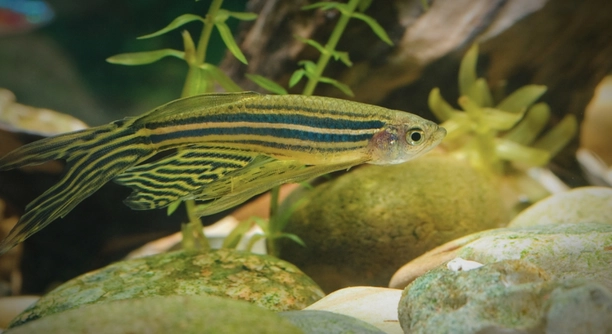
Have you ever set up a new tank and noticed your zebra danios acting a little different than usual?
Zebra danios show curiosity in new tanks by exploring all corners, inspecting objects, interacting more with each other, and increasing their swimming activity. These behaviors help them adjust to unfamiliar surroundings and assess potential safety.
Each movement tells a small story, and observing their actions can give insight into how they experience their space.
They Swim Back and Forth Quickly
When zebra danios are placed in a new tank, one of the first things you’ll notice is their fast, darting movements from one side to the other. This behavior is usually a response to the new environment. They’re not just swimming aimlessly—they’re scanning their surroundings and checking for boundaries, other fish, and possible hiding spots. Zebra danios are naturally active, but this increase in speed and direction change is a clear sign they’re paying close attention to what’s around them. You might see them pause at objects, dart away, then circle back again. It’s not panic, but alertness. Their bodies are adjusting, and their instincts tell them to map the space quickly. This helps them feel safer and more in control. If there’s little decoration in the tank, they may do this even more, trying to find points of interest. It’s a very noticeable display of curiosity.
This movement helps them get familiar with the tank while keeping their stress levels low.
After a day or two, the swimming settles into a calmer rhythm. They remember where things are and start focusing more on interacting or resting. But that initial quick pacing is a smart way to scan their home.
They Inspect Decorations Closely
Zebra danios often explore rocks, plants, and ornaments by swimming near them and pausing.
If you’ve added new decorations, your danios will likely spend extra time hovering beside or around them. This isn’t random. They’re checking for hiding spots, movement, or reflections. You might see them tilt slightly to view something from another angle or chase their reflection on shiny surfaces. Sometimes they even “test” objects with gentle nudges or quick swims past. It’s an inspection process that helps them decide if something is safe or useful. Plants, in particular, catch their attention—especially those with small gaps to swim through. Decorations that create shadows or bubbles also draw them in. It’s their way of understanding the changes in the environment, especially if you’ve recently rearranged things. Giving them different textures and shapes to investigate helps them stay mentally active and reduces boredom. A busy tank gives them more to focus on and encourages these natural behaviors.
They Follow Your Finger Along the Glass
Zebra danios often chase your finger when you move it across the tank glass. This is not aggression or fear. It’s a curious reaction to motion, light, and possible food signals.
They don’t always react this way in familiar tanks, but when things are new, their senses are on high alert. Your finger movement becomes something they want to figure out. They’ll follow closely, even pausing and changing direction if you do. It’s their way of engaging with what looks like an unusual shape or possible feeding cue. If they’ve associated hand movements with food before, they’re even more likely to chase. While this behavior is playful, it also tells you they’re alert and interested in their environment. If they lose interest quickly, that’s okay too—it just means they’ve checked it out and decided there’s nothing new. The key here is their choice to investigate rather than ignore it.
Sometimes, a group of them will follow your finger together. It can look like a tiny parade of swimmers, all curious and alert. They’re not always searching for food—they’re checking if your presence means something new. When this happens often, it can help build a sense of familiarity between you and the fish.
They Hover Near the Filter or Bubbles
Danios often stay close to filters or air stones in new tanks. This isn’t always about oxygen—it can be about sound, motion, or light reflection in the water.
The constant movement and noise from a filter can be interesting to a zebra danio. In new tanks, these spots become little hubs of activity that attract their attention. You might see them swim through the bubbles or hang around the outflow from the filter, enjoying the current. It stimulates them and gives them a reason to stay active. It also mimics their natural habitat, where flowing water is common. Being near the filter may also help them feel safe, as the noise and movement can block out other strange tank sounds. While some fish avoid these spots, zebra danios tend to enjoy exploring them early on. It’s another way they use their senses to learn about what’s around them.
They Chase Their Reflections
When zebra danios notice their reflection in the tank glass, they often respond by swimming toward it quickly. This is a common reaction, especially in new tanks with clearer glass and bright lighting.
They may repeat this action several times, almost like a little game. It’s their way of testing what they see.
They Group Together Tightly
In a new tank, zebra danios often form tighter groups than usual. This schooling behavior helps them feel safer while they adjust to new surroundings. The close formation makes it easier for them to respond to any changes or surprises in the environment.
They Explore the Top of the Tank
Zebra danios are known to check the surface area of a new tank more than usual. This includes swimming along the top edge and lightly poking at the waterline. They’re exploring light, motion, and possible food particles near the surface.
FAQ
Do zebra danios get stressed in a new tank?
Yes, zebra danios can get stressed when placed in a new tank. Changes in water parameters, lighting, layout, or tank mates can all affect their behavior. Stress may show as erratic swimming, hiding, or reduced appetite. However, they tend to adapt quickly once they’ve explored the space and feel safe. Providing plants, hiding spots, and stable water conditions can help reduce stress. Keep the tank calm and avoid sudden movements around it during the first few days. Most zebra danios return to their normal active selves once they feel comfortable in the new environment.
Why do zebra danios swim so fast when they’re introduced to a new tank?
They swim quickly to explore and map the tank layout. This behavior helps them learn about boundaries, hiding places, and other fish. Fast swimming is normal at first and usually settles after a day or two. It doesn’t mean they’re uncomfortable—it’s often just how they react to new surroundings. If they continue darting for many days without slowing down, check the water parameters or lighting. They might still be adjusting or reacting to something they don’t like in the setup.
Do they interact with other fish during this time?
Yes, zebra danios may show more interaction with tank mates in a new setup. Sometimes this means chasing or nudging, but it’s rarely aggressive. They’re curious and are trying to figure out who’s who. This interaction is part of establishing their place in the group. If you see consistent bullying or stress in other fish, consider whether the tank is too small or lacks enough hiding areas. In most cases, though, the behavior calms once everyone settles into their roles.
Is it okay if my danios are hiding more than usual?
It can be normal. While zebra danios are typically bold swimmers, new tanks can make them cautious at first. They may use plants or decorations to hide while they assess the environment. If the hiding continues for several days or is paired with signs of illness (like clamped fins or lack of appetite), then it’s worth testing the water and reviewing your setup. But in the beginning, a little hiding is usually just a temporary response to change.
Why are they so interested in the filter?
Filters move water and make sounds, both of which attract zebra danios. The bubbles and flow give them something to investigate. This behavior is common in new tanks, especially if the filter is stronger than what they’re used to. Some danios even play in the current or hover near it for long periods. If they seem healthy and active, there’s no need to worry. They’re simply exploring one of the more stimulating parts of the tank.
Do zebra danios sleep less when adjusting to a new tank?
They might rest less during the first day or two. Their curiosity and heightened alertness can keep them active longer than usual. However, once they feel settled, they’ll return to their regular rest patterns, often slowing down and hovering quietly at night. Make sure they have a consistent light schedule so they can rest properly. Avoid leaving tank lights on 24/7—darkness helps regulate their activity and reduces stress.
Should I feed them normally right away?
You can feed them within a few hours of introducing them to the new tank, but don’t be surprised if they ignore food at first. Many fish skip meals the first day due to stress or excitement. Try small amounts and watch if they eat. By the second or third day, they usually return to their normal appetite. Just make sure not to overfeed while waiting—they’ll eat when they’re ready. Uneaten food can mess up the water quality, which is especially important to maintain during tank transitions.
How long does it take for zebra danios to adjust fully?
Most zebra danios start acting normally again within 2–3 days. Some adjust in a few hours, while others take a bit longer. A consistent environment helps speed up the process. Keep noise low, avoid moving things around too much, and don’t add other fish right away. Watching them closely during this time helps you catch any real issues early. But generally, they’re fast adapters and settle in quickly compared to many other species.
Final Thoughts
Zebra danios are active, curious fish that enjoy exploring new spaces. When placed in a new tank, they show several signs of curiosity like fast swimming, inspecting objects, chasing reflections, and checking out tank equipment. These behaviors are part of how they get used to their new surroundings. It might seem like they are stressed at first, but in most cases, they are just trying to understand what’s around them. This adjustment phase is normal and usually doesn’t last long. Watching how they react can give you clues about their comfort and how well the tank setup is working for them.
Their curious nature helps them settle in quickly, especially when they feel safe. Providing plenty of space to swim, a few hiding spots, and objects to explore can make a big difference. Live plants, soft lighting, and a gentle water current from the filter give them a more natural environment. Try to keep things calm during the first few days, as loud noises or sudden movements outside the tank can increase stress. Feeding lightly and avoiding big changes during this time also helps. Zebra danios are usually good at adapting, but a little care in the beginning can make things easier for them.
Overall, their curiosity is a good sign. It shows they’re alert, aware, and ready to learn about their environment. If you notice your zebra danios exploring, chasing each other playfully, or swimming through new areas of the tank, it usually means they’re adjusting well. These small behaviors are easy to miss, but paying attention can help you better understand their needs. Over time, you’ll start to notice patterns in how they react to changes. Whether you’re new to keeping fish or have had tanks for a while, zebra danios can be a fun species to observe, especially during their first few days in a new home.

Hello,
If you enjoy the content that we create, please consider saying a "Thank You!" by leaving a tip.
Every little bit helps us continue crafting quality advice that supports the health, happiness, and well-being of pets around the world, for pets of all shapes, sizes, and species.
We really appreciate the kindness and support that you show us!