
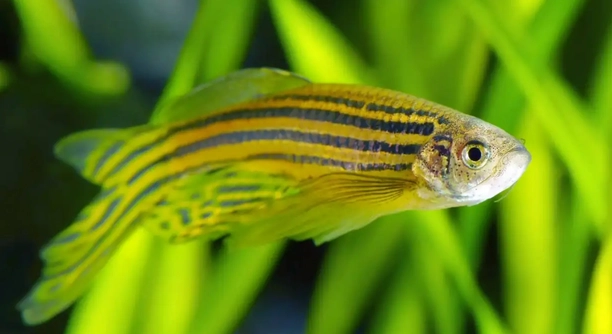
Zebra Danios are popular freshwater fish, known for their playful nature. However, they can sometimes show signs of being unwell or too cold. It’s important to know how to recognize these changes for their well-being.
Zebra Danios are cold or sick when they exhibit abnormal behavior such as lethargy, sluggish swimming, or staying near the water’s surface. A decrease in activity or changes in appearance, like faded colors, can indicate stress from cold temperatures or illness.
Knowing the symptoms of cold or sickness in your zebra danio can help you take the right steps. This guide will help you address any concerns.
Identifying Signs of Cold Temperatures in Zebra Danios
Zebra Danios are sensitive to changes in temperature, and when they get too cold, their behavior will change. These fish are more active when the water temperature is between 65°F and 75°F (18°C to 24°C). If the temperature drops below this range, they might start swimming more slowly or staying near the bottom of the tank. Their usual energetic movements could become sluggish, and they may appear to be hiding or resting more than usual. Cold water also affects their metabolism, making them more vulnerable to stress and illness.
Cold water temperatures can cause a decrease in appetite. If your zebra danio isn’t eating as much or refuses food altogether, it could be a sign that the water is too cold. You may also notice them spending more time near the warmer areas of the tank, if available.
If your zebra danio is showing signs of cold stress, adjusting the water temperature to a more suitable level can help. Be sure to use a reliable aquarium heater to regulate the temperature and keep it within the recommended range.
Common Health Issues in Zebra Danios
Zebra Danios can be affected by various illnesses that may show similar symptoms to being cold.
Signs of sickness can include faded colors, unusual swimming patterns, or visible lesions. If the fish seems to be struggling to breathe or staying near the surface of the water, this could indicate a health issue. Identifying the specific illness can be tricky, so it’s important to observe for other changes that may point to a specific cause.
In some cases, stress from improper water quality, overcrowding, or poor diet can weaken their immune system, making them more prone to sickness. Keeping the tank clean and maintaining proper water conditions will go a long way in preventing many common diseases. Regular water changes, proper filtration, and avoiding drastic temperature fluctuations are key to supporting the overall health of your zebra danio.
Maintaining Optimal Water Temperature
To keep your zebra danios healthy, it’s crucial to maintain the right water temperature. The ideal range is between 65°F and 75°F (18°C to 24°C). A steady temperature helps your fish stay active and healthy.
Use a reliable aquarium heater to regulate the temperature. Position the heater near the filter to ensure even water circulation. Avoid placing it directly under the tank’s substrate to prevent localized hot spots. If the water becomes too warm or too cold, your fish will show signs of stress, like sluggish swimming or faded colors.
Investing in a quality thermometer will allow you to regularly check the water’s temperature. This is essential to prevent sudden fluctuations, which can be harmful. Zebra Danios are particularly sensitive to changes, so avoid placing the tank in drafty areas or next to windows where the temperature can vary throughout the day.
Recognizing Behavioral Changes
Zebra Danios are known for their active and playful nature, so if they suddenly stop moving as much, it could be a sign something is wrong. If they become lethargic, this can be a sign of stress, illness, or cold temperatures.
If the fish seems unusually still, or spends more time resting at the tank’s bottom, consider checking the water temperature first. Low temperatures slow down their metabolism, causing them to be less active. If the water temperature is in a good range and behavior doesn’t improve, the fish may be sick.
Another sign of sickness can be erratic swimming or darting around the tank. If these behaviors are followed by visible symptoms like faded colors or lesions, it’s best to separate the sick fish from the healthy ones and monitor closely.
Checking Water Quality Regularly
Poor water quality can cause stress and illness in zebra danios. It’s important to test the water regularly for pH levels, ammonia, nitrites, and nitrates. Use a reliable test kit to ensure the water is safe for your fish.
Ammonia and nitrite levels should be at zero, while nitrates should stay below 20 ppm. Regular water changes help remove toxins and maintain healthy conditions. If the water is unbalanced, your zebra danio might become stressed and show signs of illness, such as faded colors or lethargy. Keeping the water clean is key to preventing these issues.
Observing Physical Symptoms
If your zebra danio shows physical symptoms, like spots, lesions, or fin damage, it may be suffering from an infection. Diseases like fungal infections or ich can cause these symptoms.
If you notice unusual markings or swelling, it’s important to quarantine the fish and treat them with the appropriate medication. Keeping the tank clean and maintaining water temperature can help prevent such infections. Pay attention to any changes in their appearance or behavior, and take action quickly to address any health concerns.
Ensuring Proper Diet
A balanced diet plays an essential role in maintaining the health of your zebra danio. Feed them high-quality flake or pellet food, supplemented with live or frozen foods like brine shrimp or daphnia.
Overfeeding can lead to water pollution, while underfeeding causes malnutrition.
FAQ
How do I know if my zebra danio is too cold?
If your zebra danio is too cold, you may notice it swimming sluggishly or staying near the bottom of the tank. It might also become less active and refuse food. Check the water temperature regularly to ensure it falls between 65°F and 75°F (18°C to 24°C). If the water is too cold, increase the temperature gradually using a heater.
Can zebra danios survive in cooler water?
Zebra danios can survive in cooler water for short periods, but prolonged exposure to temperatures below 65°F (18°C) can stress them and make them more susceptible to illness. It’s best to keep the water in the optimal range to ensure their health and well-being.
Why is my zebra danio staying at the surface of the water?
If your zebra danio is staying at the surface, it could be due to several reasons. Cold water temperatures, poor water quality, or a lack of oxygen can cause this behavior. Ensure the water is properly heated and well-aerated, and check for any signs of illness or stress.
How often should I feed my zebra danios?
Feed your zebra danios once or twice a day, offering small amounts of food that they can eat in 2-3 minutes. Overfeeding can lead to water quality problems, while underfeeding can cause malnutrition. Adjust the amount depending on how much your fish consume.
What are the common diseases in zebra danios?
Zebra danios can suffer from common freshwater fish diseases like ich, fin rot, and fungal infections. Ich is marked by white spots on the body, while fin rot causes the fins to fray. Fungal infections can result in cotton-like growths on the fish. If you notice any unusual symptoms, isolate the fish and treat accordingly.
How can I treat a sick zebra danio?
If your zebra danio shows signs of illness, quarantine it in a separate tank to prevent spreading any potential infection. Treat the fish based on the specific symptoms you observe. Use medications for common diseases like ich or fin rot, and maintain clean water conditions to help with recovery.
Why is my zebra danio turning pale or losing its color?
A zebra danio that is turning pale or losing its color could be stressed due to poor water quality, improper temperature, or illness. Ensure the water temperature is in the correct range, test the water for ammonia or nitrate levels, and make necessary adjustments. Stress and poor diet can also cause color fading.
How can I prevent my zebra danio from getting sick?
Prevent sickness in zebra danios by maintaining clean water, ensuring proper temperature, and feeding a balanced diet. Regular water changes and using a reliable filtration system are essential. Avoid overcrowding the tank, and monitor your fish for any signs of stress or illness.
What is the best water temperature for zebra danios?
The best water temperature for zebra danios is between 65°F and 75°F (18°C to 24°C). Keeping the water within this range promotes their health and encourages normal activity levels. Too cold or too warm water can stress them and lead to health issues.
Can zebra danios live with other fish?
Yes, zebra danios are peaceful and can live with a variety of other fish. They do well in community tanks with other non-aggressive species. However, avoid keeping them with larger or more aggressive fish that might bully or harm them. Ensure all tankmates are compatible in terms of water requirements and behavior.
Why does my zebra danio swim in circles?
Swiming in circles can be a sign of stress, illness, or environmental issues like poor water quality. It might also be due to a lack of stimulation in the tank. If your zebra danio continues this behavior, check the water parameters and consider adding plants or decorations to create a more engaging environment.
How long do zebra danios live?
Zebra danios typically live 3 to 5 years with proper care. They are relatively hardy fish, but their lifespan can be shortened by poor water conditions, improper diet, or diseases. Regular maintenance and monitoring can help ensure they reach their full lifespan.
What size tank do zebra danios need?
Zebra danios are small and active, so they need enough space to swim. A tank size of at least 10 gallons is recommended for a small group of zebra danios. If you plan to keep other species, make sure the tank is large enough to accommodate all the fish comfortably.
What should I do if my zebra danio has fin rot?
Fin rot is caused by bacteria and can lead to the deterioration of the fins. To treat fin rot, isolate the affected fish in a separate tank to prevent spreading. Use antibiotics or antibacterial treatments available at pet stores and maintain excellent water quality. Regular water changes and proper tank conditions are essential to help prevent future outbreaks.
Do zebra danios need a filter?
Yes, zebra danios thrive in well-filtered water. A filter helps remove debris, toxins, and waste from the water, ensuring the health of your fish. It also maintains stable water parameters. Choose a filter that is appropriate for the size of your tank to provide optimal filtration.
How do I know if my zebra danio is stressed?
Signs of stress in zebra danios include fading colors, erratic swimming, hiding, or staying near the surface. Stress can be caused by poor water quality, unsuitable tank mates, overcrowding, or sudden temperature changes. Address the environmental factors that might be causing stress to help your fish recover.
Can zebra danios breed in a home aquarium?
Yes, zebra danios can breed in a home aquarium. They are egg layers and will spawn in a separate breeding tank. To encourage breeding, maintain optimal water conditions and provide plants or spawning mops for the eggs. Once the eggs are laid, remove the parents to avoid eating the eggs.
Are zebra danios good for beginners?
Yes, zebra danios are a great choice for beginners. They are hardy, easy to care for, and adaptable to various water conditions. With proper tank maintenance, feeding, and monitoring, zebra danios can thrive in a home aquarium, making them a good option for new fish keepers.
Final Thoughts
Caring for a zebra danio involves understanding their basic needs, including the right water temperature, diet, and environment. By ensuring that the water is clean and well-filtered, and keeping the temperature within the recommended range, you create the ideal habitat for these small, active fish. Zebra danios thrive in tanks with stable water conditions, so regularly monitoring the water quality and making necessary adjustments is important. With proper care, these fish can live for several years and add movement and color to your aquarium.
If you notice your zebra danio acting out of character, it’s essential to identify the issue early. Whether they are showing signs of illness, stress, or simply feeling cold, addressing the problem quickly can prevent more serious health issues. Regularly check for any physical changes, such as fading colors or unusual swimming patterns. These could be signs of underlying problems like poor water quality or an infection. By catching these symptoms early, you give your zebra danio the best chance of recovery.
Overall, zebra danios are a great choice for both new and experienced aquarium keepers. Their hardy nature and ability to adapt to different environments make them easy to care for. They’re social fish that do well in groups, so be sure to keep a few together in a tank to ensure they feel comfortable and secure. By following basic care guidelines and observing their behavior regularly, you can enjoy watching these lively fish thrive in your aquarium for years to come.

Hello,
If you enjoy the content that we create, please consider saying a "Thank You!" by leaving a tip.
Every little bit helps us continue crafting quality advice that supports the health, happiness, and well-being of pets around the world, for pets of all shapes, sizes, and species.
We really appreciate the kindness and support that you show us!