
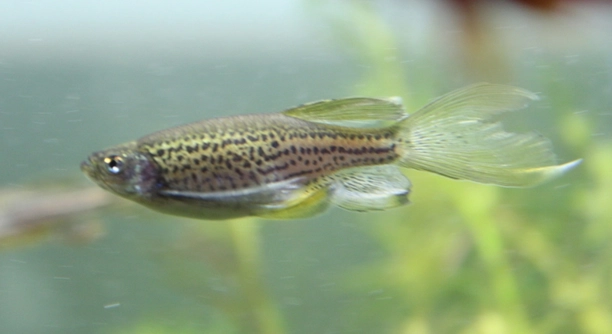
Zebra Danios are fascinating fish, known for their energetic behavior and beautiful patterns. Breeding them successfully requires attention to detail, as their behaviors can be subtle yet significant during the process.
Zebra Danios exhibit several distinct breeding behaviors that are essential for successful reproduction. These include courtship displays, territory selection, and specific physical signals, such as the male’s erratic swimming patterns and the female’s readiness to lay eggs.
Understanding these breeding behaviors can significantly improve your chances of successful Zebra Danio reproduction. Their unique interactions can be easily missed if you’re not attentive to the small details.
Courtship Displays
When breeding, male Zebra Danios display energetic courtship behaviors. They often swim erratically around the female, darting in quick bursts. This frantic swimming is meant to attract the female’s attention. At times, males will also nudge or touch the female, signaling their interest. These movements are vital for initiating the breeding process and ensuring the female is ready to spawn. During this time, males will often try to keep other males at bay by aggressively defending their space. The more dominant male will get the chance to mate with the female.
The courtship behavior can seem chaotic, but it serves a very clear purpose: to entice the female into spawning. Watch closely, and you’ll notice the male’s quick movements increase in intensity as he tries to woo the female into mating.
Males that display the most intense and attractive courtship behaviors are often the ones that succeed in breeding. The erratic movements act as both a signal and a display of vitality, helping the male stand out from the rest.
Choosing the Right Territory
For Zebra Danios, the location of breeding is just as important as the courtship. These fish prefer to spawn in areas with plenty of space, like plants or open areas. They seek out calm, safe spots to lay their eggs.
Choosing the right location is crucial for the success of their breeding. Males and females will often scout for the best place to lay eggs, considering water conditions and shelter from predators.
Male’s Swimming Patterns
Male Zebra Danios often display unique swimming patterns during courtship. Their movements are quick, erratic, and sometimes circular, making them stand out from the typical swimming behavior. This is a direct attempt to catch the female’s attention.
These erratic movements are not just for show. The male’s goal is to impress the female and signal that he is ready for mating. As the male swims rapidly, he also tries to avoid other males, establishing his dominance. The faster and more dramatic the movements, the more likely the female will choose him.
Sometimes, males will swim alongside the female, matching her speed and direction. This synchronized movement further convinces the female that the male is a suitable mate. The male’s rapid movements are essential for initiating successful breeding.
Female’s Readiness to Spawn
The female Zebra Danio shows distinct physical cues when she’s ready to spawn. A noticeable behavior is her round belly, filled with eggs. This is one of the first signs she’s prepared for breeding. Her movements slow down compared to the males, who remain more active.
As the female approaches readiness, she will start to roam the tank, looking for the ideal place to lay eggs. This could be near plants, stones, or other objects in the tank that provide protection. She is looking for a safe and secure spot where her eggs can develop without disturbance.
During this period, males may aggressively follow and court the female. They can get closer to her, making their movements even more erratic. Her slower pace and specific actions make it clear to the males that she is ready for spawning.
Spawning Ritual
The spawning ritual begins once the female has found her spot. The male follows closely behind, swimming in rapid bursts around her. Both fish work together in this delicate process, with the male nudging the female to release her eggs.
During spawning, the male positions himself close to the female’s body. As she lays eggs, he releases sperm over them, fertilizing them in the water. This quick, synchronized action is key to successful reproduction, and it happens very quickly—usually within a few minutes. After fertilization, the eggs fall to the bottom.
The entire spawning process is over in a flash, but the effects are long-lasting. Afterward, both fish may separate, leaving the eggs to develop in their chosen spot. Watch carefully, as these behaviors happen fast.
Post-Spawning Behavior
After spawning, the male may continue to follow the female for a short period. However, the immediate action stops once fertilization is complete. Both fish will often retreat to separate areas of the tank, resting from their intense activity.
During this time, the female may appear less active than usual. She focuses on recuperating after expelling her eggs. The male, on the other hand, resumes his usual behavior of darting around, sometimes revisiting the female to check for further chances of mating. The post-spawning period is a quiet time where the focus shifts from mating to recovery.
Egg Protection
Once the eggs are laid, they are left alone to develop. However, some Zebra Danios may attempt to eat the eggs, especially if they are not removed quickly. Keeping a close eye on the tank after spawning is important to prevent egg loss.
Many aquarium owners choose to remove the adults from the tank after spawning. This ensures the eggs remain safe from being eaten by the adults. The eggs hatch in about 2-3 days, depending on water conditions, and the baby fish begin to swim freely. It’s important to maintain stable water parameters during this time.
FAQ
How can I tell if my Zebra Danios are ready to breed?
You can tell if your Zebra Danios are ready to breed by observing their behavior and physical changes. The males will begin swimming more erratically, displaying more energy than usual. The females, on the other hand, will have noticeably swollen bellies, filled with eggs. This is one of the clearest signs that they are ready to spawn. The female will also slow down, moving more cautiously in the tank. Watching these physical and behavioral changes can help you determine the right moment for breeding.
Do Zebra Danios breed year-round?
Yes, Zebra Danios can breed year-round if the conditions are right. These fish don’t have a specific breeding season and can reproduce throughout the year. However, breeding success depends on water temperature, tank setup, and the overall health of the fish. Warmer water temperatures around 75-80°F (24-27°C) will encourage more frequent breeding. Ensuring the right environment and consistent care will help maintain a steady breeding cycle for your Zebra Danios.
How long does it take for Zebra Danio eggs to hatch?
Zebra Danio eggs typically hatch in 2-3 days, depending on the water temperature and conditions. Warmer water speeds up the incubation process, while cooler water can slow it down. It’s important to maintain stable water quality, as fluctuations can harm the eggs and delay hatching. Once the eggs hatch, the baby fish, or fry, will begin to swim freely in the tank, although they might still need assistance with food.
Do Zebra Danios take care of their eggs?
Zebra Danios do not provide parental care for their eggs or fry. Once the eggs are fertilized, the adults typically leave them and move on. In fact, some adult fish might eat the eggs if left in the same tank. To increase the chances of successful hatching, it’s common to remove the adults from the tank after spawning, allowing the eggs to develop undisturbed.
Can Zebra Danios breed in a community tank?
Yes, Zebra Danios can breed in a community tank, but it’s important to take some precautions. Many other fish may eat the eggs or fry if given the chance. To protect the eggs, you can either use a breeding box or a separate breeding tank where the adults can be placed after spawning. This helps ensure that the eggs have a better chance of developing into healthy fry.
How often do Zebra Danios breed?
Zebra Danios breed quite frequently, especially under ideal conditions. With the right temperature and water quality, they can breed every few days or weeks. They typically spawn in short bursts, with each mating session producing a small batch of eggs. However, it’s crucial to monitor the fish and avoid overbreeding, as the adults may become stressed or exhausted. Proper care and observation are key to maintaining a healthy breeding cycle.
What should I feed Zebra Danio fry?
Once the Zebra Danio eggs hatch, the fry will need specialized food. Initially, they will feed on their yolk sacs for the first few days. Afterward, you can begin offering finely crushed fish food or specialized fry food. As they grow, you can gradually introduce baby brine shrimp or small live foods to help them develop properly. Providing the right nutrition is essential for their growth and survival.
What are the best water conditions for Zebra Danio breeding?
For successful Zebra Danio breeding, it’s important to maintain the right water conditions. The water should be clean, with a stable temperature between 75-80°F (24-27°C). The pH level should be slightly alkaline, around 7.0-7.5, and the water should be soft to medium hardness. Keeping the water clean and well-filtered is also crucial to prevent any harmful bacteria or toxins from affecting the fish or their eggs.
Do Zebra Danios need a specific breeding tank?
While Zebra Danios can breed in a community tank, having a separate breeding tank can greatly improve the chances of successful reproduction. A breeding tank should have plants, soft substrates, and some hiding spots to make the fish feel comfortable. It’s also a good idea to place a breeding grid or mesh to prevent the adults from eating the eggs after spawning. A breeding tank allows for better control of the water parameters, minimizing the risk of egg loss or disease.
Can Zebra Danios breed with other fish?
Zebra Danios should only breed with other Zebra Danios. They are a distinct species, and crossbreeding with other fish is unlikely to produce viable offspring. However, you may find that other fish in your tank, especially larger ones, may be attracted to the eggs or fry and may eat them. If breeding is your goal, it’s best to keep only Zebra Danios together in a breeding environment.
How do I know if my Zebra Danios are healthy enough to breed?
Healthy Zebra Danios will exhibit active behavior, clear eyes, and vibrant colors. They should be free of any visible signs of disease, such as lesions or white spots. Additionally, the fish should be eating well and swimming actively. If your fish are sluggish or show any signs of illness, it’s best to wait until they are fully recovered before attempting to breed them. Ensuring the fish are healthy will increase the chances of successful breeding.
Should I remove the male Zebra Danio after spawning?
It is not necessary to remove the male immediately after spawning, but it is a common practice to do so. The males may continue to follow and court the females, but once the eggs are laid and fertilized, the male’s role in the process is complete. Removing the male helps ensure that the eggs are not eaten and gives the female time to rest. It also prevents unnecessary stress on both the female and the fry.
Final Thoughts
Breeding Zebra Danios can be a rewarding experience for aquarium enthusiasts, whether you are a beginner or more experienced. These small fish are relatively easy to care for and are known for their active and playful nature, which makes them a joy to observe. With the right tank setup and water conditions, you can encourage them to breed regularly. Their spawning process is quick, and once you understand their behaviors, it’s easier to spot the right signs for successful reproduction. Keeping an eye on the water temperature and ensuring that the fish are healthy are key steps in this process.
While Zebra Danios are not the most demanding species, their success in breeding depends on careful attention to detail. You should be prepared for the possibility of having to separate the adults after spawning to prevent them from eating the eggs. This may require a little extra effort, but it ensures that the eggs have the best chance of developing into healthy fry. Keeping the right environment for both the adults and the babies is essential for their growth and survival. In addition, be mindful of the fry’s nutrition. Providing the right food and keeping the water clean will help them grow into strong, healthy fish.
Overall, breeding Zebra Danios offers a great opportunity to watch these lively fish reproduce and thrive. By understanding their breeding behaviors and providing the necessary care, you can increase the chances of success. While it can take a bit of effort and attention, the rewards of watching tiny fry swim around and grow into mature fish are well worth it. So, with the proper tank setup, consistent care, and monitoring of your fish’s health, breeding Zebra Danios can be a fulfilling and educational experience for any aquarium keeper.

Hello,
If you enjoy the content that we create, please consider saying a "Thank You!" by leaving a tip.
Every little bit helps us continue crafting quality advice that supports the health, happiness, and well-being of pets around the world, for pets of all shapes, sizes, and species.
We really appreciate the kindness and support that you show us!