
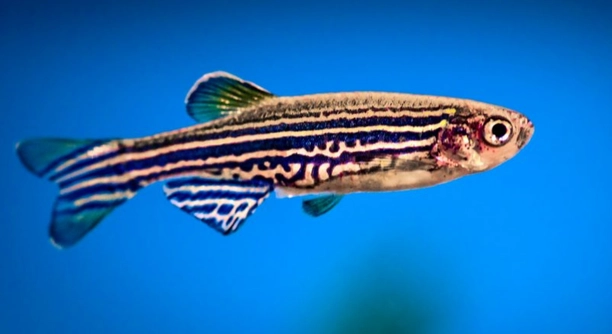
Have you ever noticed your zebra danios acting differently when you’re near the tank, almost like they know you’re watching them?
Zebra danios are highly sensitive to changes in their environment, including visual cues and movement. Research shows they can detect when someone is observing them, often adjusting their behavior in response to perceived attention or motion nearby.
There’s more to their quick reactions and sudden movements than meets the eye, and it’s worth understanding how they interact with their surroundings.
How Zebra Danios React to Movement and Presence
Zebra danios are quick to notice any kind of movement around them. Their sharp vision and alert nature make them highly responsive to changes in their surroundings, including when someone walks past or stands near the tank. These tiny fish are used to scanning for predators in the wild, so when they see something unfamiliar—or a face staring at them—they may change their swimming patterns, dart around quickly, or even pause. Some owners have reported that their danios behave more cautiously or become more active when watched closely. These reactions aren’t random. They’re part of a natural behavior pattern where zebra danios assess whether a new presence is a threat or not. Over time, they can become used to people, but that alertness never fully goes away.
They may also start to associate your presence with feeding time, which can lead to more active or bold behavior near the tank wall.
Even though they’re tiny, their social awareness is surprisingly strong. Zebra danios tend to move in coordinated groups and can respond as a group to your presence. If you notice all of them shifting direction at once, it’s not just coincidence—it’s a shared response to what they perceive outside the tank.
Why It Feels Like They’re Watching You Back
Zebra danios have excellent vision for their size and can distinguish shapes and movement from outside the glass.
These fish can actually track motion with surprising accuracy. If you wave your hand or lean in to observe them, they often react almost instantly. Their behavior isn’t just about avoiding danger—it’s also tied to curiosity and routine. If you feed them at the same time each day, they’ll start to swim to the surface or gather in a particular corner when they see you approach. This isn’t just habit. It’s a learned response to visual cues. That means they’re not just reacting to shadows—they’re noticing and remembering patterns. Some owners even say their danios follow their finger across the tank or seem to interact more when certain people are nearby. It’s not that these fish understand human behavior, but they are incredibly tuned in to the movement and light changes that people cause. Their brain may be tiny, but it’s working hard to interpret what’s happening around them—even outside the water.
How Environment and Routine Shape Their Behavior
Zebra danios thrive in predictable environments, and they notice when something changes. If your movements around the tank follow a regular pattern, they’ll pick up on that and respond accordingly. Routine helps reduce their stress and shapes how they interact.
When your zebra danios begin to recognize certain daily habits—like feeding times, lighting schedules, or your approach to the tank—they learn to associate those actions with outcomes. These fish respond well to consistency, and you might notice them becoming more confident or interactive when routines are steady. A sudden shift, like cleaning the tank at a different time or changing the lighting abruptly, can make them act differently. They might hide more or swim frantically. Over time, though, they can adjust and return to calmer behavior if the new routine becomes consistent. Recognizing your regular presence is part of that learned pattern, and it plays a role in how they react.
Even subtle changes, like the clothes you wear or the direction you approach from, can cause your zebra danios to react. This doesn’t mean they recognize you the way a dog or cat might, but they do take note of visual differences. If something seems unusual, they may retreat or slow down temporarily. When it feels familiar again, they settle.
Can They Form Simple Associations?
Zebra danios are capable of basic learning. They can form simple associations between visual cues and expected outcomes, especially with consistent repetition.
For example, if you always feed them right after turning on the tank light, they’ll quickly learn that light means food. This is a conditioned response, similar to what you might see in other small pets. They’re not thinking about the reason behind your action—they just notice the pattern and react accordingly. The same goes for your presence near the tank. If they begin to connect you with feeding or a safe environment, they’re more likely to swim toward you rather than away. It’s a small but important sign that they’re paying attention, even if their thinking is simple. They respond based on learned experiences, which makes their reactions feel more personal, even if it’s not intentional on their part.
Subtle Signs of Awareness
Zebra danios may pause or swim differently when they notice you’re nearby. Their shift in movement isn’t random—it’s a response to visual or environmental changes that signal something is different, especially if it involves sudden motion or light shifts.
You might see them move closer to the front of the tank or change direction together. These small responses can signal alertness or mild curiosity. They may not fully understand what’s happening, but they clearly react in ways that suggest they’re aware of your presence, especially when movement repeats regularly.
Why Their Reactions Matter
Noticing how zebra danios react can help you understand if they’re comfortable or stressed in their tank. Quick darting, hiding, or frantic group swimming may suggest they feel threatened. But when they glide calmly or approach the glass, it often means they’re relaxed or anticipating something, like feeding. These reactions are shaped by past experiences and their current environment. When they trust the space and associate your presence with positive things, they’ll behave more openly. Observing these changes over time gives you a better understanding of how your danios feel, and helps you adjust their care or tank setup if needed.
Final Thoughts on Their Behavior
They may be small, but their awareness and reactions show that zebra danios are far more attentive than most people expect.
FAQ
Do zebra danios recognize specific people?
Zebra danios don’t recognize people the same way dogs or cats do, but they can respond to familiar patterns. If the same person feeds them daily, they may begin to associate that person’s presence with food and safety. Their recognition is more about routine and visual cues than personal identity. So, while they probably can’t tell you apart from someone else with certainty, they do show signs of recognition through their reactions to familiar faces, movements, and routines. Over time, they may seem more relaxed or curious when “you” are near the tank.
Why do my zebra danios scatter when I walk by?
Sudden movement or changes in lighting can cause a startle response in zebra danios. If you walk by quickly or wear something bright or unfamiliar, they may react by darting away. This is a survival instinct, not fear of you personally. Over time, if your movements become predictable or if they learn nothing bad follows your approach, they usually settle down. Keeping your actions smooth and consistent around the tank can help minimize their startled reactions. Even small adjustments, like walking slower, can make them feel safer and reduce stress.
Can they learn routines like feeding times?
Yes, zebra danios are excellent at picking up on routines. If you feed them at the same time each day or follow a similar motion before feeding, they’ll begin to anticipate it. They might swim to the top of the tank, cluster together, or become more active when they notice the early signs. This learned behavior is a type of conditioning, where they associate your actions with a reward. It’s not about memory in a human sense but rather recognition through repetition. Routines also help reduce their stress and create a sense of stability in their tank.
Do they enjoy being watched?
Zebra danios don’t seem to seek attention like mammals might, but they do show awareness. Some individuals may approach the glass more often or swim closer when someone is nearby. This could be curiosity, or they may expect food. Others stay back or swim in the middle of the tank. Their behavior depends on their comfort level and past experiences. If they feel safe and have been treated gently, they may become more interactive over time. It’s not clear whether they enjoy being watched, but they can definitely sense it when they’re being observed regularly.
Why do they swim toward me when I come near?
This is usually a learned response, especially if they associate your presence with food or something positive. Swimming toward you doesn’t always mean affection—it’s often anticipation. Still, it’s a good sign that they’re comfortable. If they consistently swim toward you without signs of stress or hiding, they’ve likely adapted to your presence. This type of response shows how observant zebra danios can be, even with their small size. Some may even nudge the glass or swim excitedly in circles, waiting for food or attention.
Are they reacting to me or just to movement?
They react to movement, but that movement doesn’t have to be random. If they’ve seen you approach a certain way over and over again, they may associate that motion with something they expect, like feeding or interaction. So, they are reacting to you, but it’s more about what you do than who you are. Other people might trigger a similar response if they follow the same routine. Still, your regular presence does play a role in how they behave over time.
Is it bad if they always hide when I come near?
It’s not necessarily bad, but it could be a sign they’re stressed or not used to your presence yet. If your tank environment is noisy, too bright, or lacks hiding spaces, they may be on edge. Hiding is a normal safety behavior, especially in new or unstable environments. Try reducing movement around the tank, keeping the lighting soft, and offering more plants or decorations. Over time, they might feel more secure and begin to explore more, even when you’re close. Consistent care helps them feel less threatened.
How can I make them more comfortable with me?
Stick to a regular feeding schedule and avoid sudden movements near the tank. Give them a few minutes to adjust when you turn on the lights or enter the room. Talk softly if you’re nearby, and avoid tapping the glass. Creating a stable environment—with proper water conditions, consistent lighting, and good tank decor—also builds trust. Over time, they’ll likely become more active and relaxed when you’re around. The key is patience and predictability. Zebra danios are small but smart, and with time, they can show clear signs that they feel safe with you nearby.
Final Thoughts
Zebra danios are small, active fish that often catch your attention with their quick, darting movements. While they may not form emotional bonds the way larger animals do, they are still very observant. Their reactions to your presence often come from patterns they’ve learned over time. If you regularly feed them, clean the tank gently, and move calmly around their space, they start to notice. You may see them swimming to the top or pressing close to the glass when they sense your presence. These actions aren’t always about recognition in the emotional sense, but they do show awareness and comfort with routine.
Their responses—whether they scatter, swim toward you, or remain still—can also say a lot about their environment. Fish that feel safe will be more curious and active. If they’re stressed, they might hide or react quickly to even small movements. Creating a calm, balanced environment with clean water, proper lighting, and a few hiding places gives them space to feel secure. Over time, as they adjust to the routine and to you, their behavior can shift. What may seem like simple fish behavior can actually be a sign that they’re adapting, responding, and becoming more at ease with the world around them.
Whether or not zebra danios can truly “sense” when you’re watching them is still a bit unclear. But it’s safe to say that they notice changes in movement, light, and sound, especially when those changes happen around feeding or other regular activities. They’re not emotionally attached in the way a pet dog might be, but they’re not unaware either. Watching them react to daily routines is part of what makes keeping them interesting. When their behavior becomes predictable, it’s usually a sign that they’re comfortable and have settled into their space. Paying attention to these subtle cues helps you care for them better and enjoy the small details of their daily life.

Hello,
If you enjoy the content that we create, please consider saying a "Thank You!" by leaving a tip.
Every little bit helps us continue crafting quality advice that supports the health, happiness, and well-being of pets around the world, for pets of all shapes, sizes, and species.
We really appreciate the kindness and support that you show us!