
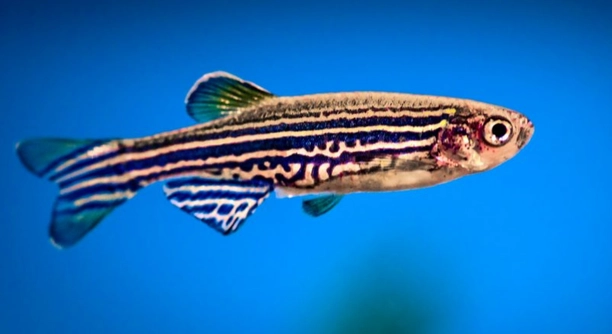
Zebra Danios are small, active fish often seen in aquariums. With their lively nature, they frequently interact with other fish. But do they compete for leadership roles within their groups, or is their behavior driven by something else entirely?
Zebra Danios do not exhibit clear hierarchical leadership competition. Their interactions are more about social structure and territoriality, where dominance is usually determined by size or aggression rather than a defined “leader” role in the group.
Understanding how Zebra Danios form their social structures will shed light on their behaviors. This information can help you keep your fish healthy and happy in your aquarium.
Understanding Zebra Danios’ Social Behavior
Zebra Danios are naturally social fish, often seen swimming together in schools. They rely on each other for protection and feel more comfortable in groups. This social interaction is essential for their well-being, as they are less likely to feel stressed or threatened when surrounded by other Danios. The group dynamic plays a significant role in their daily behavior. However, despite their tendency to form groups, they do not engage in clear leadership struggles. Instead, their relationships are more about mutual cooperation, where smaller or less aggressive fish may submit to others when needed.
Their behavior is more about maintaining harmony than creating a structured hierarchy. In nature, Zebra Danios may shift between being active swimmers and passive followers. This fluid social behavior helps them adapt to different situations and avoid unnecessary conflicts. They show dominance in subtle ways, such as chasing or displaying territorial behavior, but these actions are not as defined as leadership roles.
Understanding the social structure of Zebra Danios provides a clearer picture of how they interact. While they don’t compete for leadership, they do engage in different forms of social ranking. These behaviors help them navigate their environment and stay safe from predators. Even though no single fish takes on the leadership role, their group dynamics are essential to their survival.
Dominance and Territorial Behavior
Zebra Danios exhibit territorial behaviors, especially when it comes to finding space in an aquarium. They may establish areas they prefer and defend these spots from other fish.
Even without leadership competition, their need for space is crucial to maintaining peace within the group. These territories can be marked by subtle actions like chasing or nipping at other fish. By understanding these behaviors, you can better manage your tank setup to minimize conflict. Ensuring enough space for each fish is essential for a peaceful aquarium. When Danios are not stressed or overcrowded, they are happier and less likely to engage in aggressive behaviors. By observing their interactions, you’ll notice they tend to avoid conflict when possible, allowing the group to remain calm. With the right conditions, Zebra Danios will continue to thrive without worrying about leadership struggles or constant battles.
Factors Influencing Zebra Danios’ Behavior
The environment plays a significant role in how Zebra Danios interact with each other. Factors like tank size, water quality, and the number of fish present all impact their behavior. Fish in smaller tanks or poor water conditions are more likely to show signs of stress, which may lead to aggression.
Zebra Danios are sensitive to changes in their surroundings, so maintaining a stable environment is key to preventing behavior issues. A clean tank with proper filtration and consistent water temperature helps them stay relaxed. Additionally, ensuring a sufficient number of fish in the tank allows them to display more natural social behaviors. When these factors are in place, they tend to interact more peacefully. A large tank can also give them more room to spread out, reducing territorial disputes. In turn, this leads to healthier and less stressed fish.
Stress can also result from the presence of aggressive species. Zebra Danios are peaceful and thrive in a community tank, but certain fish may make them feel threatened. Understanding the interactions between species can help maintain a calm environment. When other fish are too aggressive, Zebra Danios may retreat to corners of the tank, signaling discomfort or fear.
Observing Zebra Danios in a Group
Zebra Danios are known to swim together in schools, where their interactions are primarily cooperative. They feel more secure in groups, using their numbers to protect themselves from potential threats.
In a school, Zebra Danios display behaviors that reinforce the group’s unity. They often follow each other in unison, creating a synchronized movement that helps them avoid predators. These patterns are not about competing for leadership, but rather ensuring the group’s survival. While individual fish may occasionally act more dominant, it is the overall group behavior that is most important. Their cooperative swimming ensures that they can move as a cohesive unit, making it harder for predators to target a single fish.
The group dynamic also influences how Zebra Danios interact with their tankmates. They are more likely to stay near the school rather than wander off alone. In larger schools, the chances of dominance or territorial behaviors are reduced, as there are enough fish to maintain balance. This behavior shows that their focus is on group cohesion and safety, rather than any specific individual vying for control.
Leadership and Dominance in Zebra Danios
Zebra Danios do not have clear leaders. Their interactions are based on size, aggression, and territoriality rather than any established pecking order. They focus more on staying within the group than competing for control. Dominance is often determined by physical displays rather than a leadership role.
These fish engage in subtle dominance behaviors, such as chasing or nipping, but it doesn’t mean there is a leader. Instead, dominance shifts depending on the situation. The more aggressive or larger fish may take control temporarily, but there is no consistent leader. This fluid social structure helps maintain harmony within the school.
Social Hierarchy or Cooperation?
Unlike some fish species, Zebra Danios don’t form rigid social hierarchies. Instead, they rely on cooperation to ensure the safety and well-being of the group. They adapt to different roles depending on the situation, rather than competing for a fixed position.
Their social dynamics are fluid, and cooperation is more important than establishing dominance. In their natural habitats, they stick together for protection, and any aggressive behavior is typically short-lived. The importance of group cohesion outweighs the need for a permanent leader.
Tank Setup for Better Interaction
A well-set-up tank can significantly improve how Zebra Danios interact with each other. Providing enough space and hiding spots can help reduce territorial disputes and stress. When they feel secure, they tend to display more peaceful and cooperative behaviors.
FAQ
Do Zebra Danios compete for leadership roles in their schools?
No, Zebra Danios do not compete for leadership roles. Their behavior is more about social interaction and territoriality rather than clear competition for leadership. They do not have a defined hierarchy, and instead, dominance is often determined by physical factors like size or aggression. While individual fish may show dominant behaviors, they do not establish themselves as permanent leaders within the group.
How do Zebra Danios establish dominance?
Zebra Danios show dominance through subtle actions such as chasing, nipping, or displaying territorial behaviors. However, these behaviors are more about establishing temporary control of a space or a situation, not about creating a leadership structure. Dominance is fluid and shifts depending on various factors like size and aggression, rather than one fish permanently holding a leadership position.
Do Zebra Danios need a dominant fish in the tank?
No, Zebra Danios do not need a dominant fish to maintain harmony in their group. Instead, their social structure relies on cooperation and mutual protection. While some fish may display dominant behaviors temporarily, Zebra Danios as a species do better in a group where the focus is on staying together for safety, rather than on a single leader. A peaceful community setup with enough space and resources is more beneficial for their well-being.
Can Zebra Danios live with other species?
Yes, Zebra Danios can live with a variety of peaceful fish species. They are often kept in community tanks and get along well with similar-sized, non-aggressive fish. However, it’s important to avoid housing them with overly aggressive species, as this can lead to stress or injury. When housed with compatible species, Zebra Danios adapt well to the presence of others, showing little territorial aggression towards their tankmates.
What is the best tank size for Zebra Danios?
Zebra Danios are small, active fish that do well in tanks of at least 20 gallons. They enjoy having space to swim, and a larger tank helps reduce stress and territorial disputes. More room allows them to form natural school formations and spread out, preventing any one fish from feeling threatened. A larger tank with enough hiding spots for all fish will help maintain peaceful behavior within the group.
How many Zebra Danios should be kept together?
Zebra Danios are schooling fish, so they should be kept in groups of at least five to six individuals. Keeping them in a group helps them feel secure and reduces stress. When they are in larger schools, they display more natural behavior, swimming in unison and sticking together for protection. Smaller groups may lead to anxiety or less cohesive social behavior. The more, the better, within the limits of your tank size.
What type of water conditions do Zebra Danios need?
Zebra Danios thrive in clean, well-filtered water with a temperature between 65°F and 75°F (18°C to 24°C). They also prefer slightly alkaline water with a pH between 7.0 and 7.8. Regular water changes are essential to maintain good water quality and reduce stress. Poor water conditions can lead to aggression, illness, and overall unhealthy fish. It’s important to monitor the water parameters regularly to ensure they remain stable.
Do Zebra Danios need a heater?
In most cases, Zebra Danios do not require a heater if the tank is kept in a room where the temperature is stable and within their preferred range (65°F to 75°F). However, if you live in an area where temperatures fluctuate significantly, a heater may be necessary to maintain a consistent environment. Avoid sudden temperature changes, as this can stress the fish and affect their behavior.
How can I reduce stress in my Zebra Danios?
To reduce stress in Zebra Danios, it’s important to provide them with a clean, well-maintained environment. A spacious tank with plenty of swimming room and hiding spots will allow them to feel secure. Avoid overcrowding, as this can lead to aggression and territorial disputes. Additionally, keeping water conditions stable, such as maintaining proper temperature, pH, and filtration, will help them thrive. If introducing new fish, do so gradually to avoid overwhelming the existing school.
Are Zebra Danios prone to any diseases?
Zebra Danios are generally hardy fish but are susceptible to common freshwater diseases, such as ich (white spot disease) or fin rot. Maintaining good water quality is key to preventing illness. Regular tank cleaning, proper filtration, and monitoring for any signs of distress can help keep your Zebra Danios healthy. If you notice any unusual behavior, such as loss of appetite, clamped fins, or abnormal swimming patterns, it’s important to address it quickly and seek treatment if necessary.
Do Zebra Danios breed easily?
Yes, Zebra Danios breed easily in captivity. They are egg layers and require a separate breeding tank to prevent other fish from eating the eggs. Female Danios are typically larger and rounder than males. When breeding, males chase females and display colorful patterns to attract them. Once eggs are laid, they hatch in about two to three days. The fry are small and require special care to ensure they grow healthy. It’s important to separate the adult fish from the eggs to prevent them from eating the young.
What is the lifespan of Zebra Danios?
Zebra Danios typically live for about 3 to 5 years in a well-maintained aquarium. Their lifespan can be affected by factors such as water quality, tank conditions, and overall care. Keeping them in a stable, stress-free environment with regular water changes and proper feeding will help ensure they live a long, healthy life.
Can Zebra Danios be kept with shrimp?
Zebra Danios can be kept with peaceful shrimp species, but care should be taken to avoid keeping them with very small or vulnerable shrimp. Larger Zebra Danios might occasionally nip at or chase smaller shrimp, especially during feeding times. However, with proper tank setup and careful monitoring, Zebra Danios can live peacefully with shrimp, particularly species like Amano or ghost shrimp. Always ensure the tank provides plenty of hiding spaces for the shrimp to avoid any potential conflict.
Final Thoughts
Zebra Danios are fascinating fish, known for their active nature and peaceful social behavior. They don’t engage in the kind of competition for leadership roles that some other species might. Instead, their social structure is based on cooperation and group harmony. While they do exhibit dominant behaviors, such as chasing or nipping, these actions are typically temporary and linked to territoriality rather than establishing a leader. This makes them an excellent choice for aquarium hobbyists who prefer a peaceful tank environment. Their group dynamics are all about staying together for protection, not about vying for control.
When caring for Zebra Danios, it’s essential to consider their social needs and the environment they thrive in. A well-maintained tank with enough space for the fish to swim freely is crucial. A larger tank allows them to form schools, which is vital for their well-being. In addition to space, good water quality and stable temperatures play an important role in keeping Zebra Danios healthy. They are resilient fish, but like any other species, they require attention to their environment to prevent stress or aggression. By focusing on creating the right conditions for them, you can ensure your Danios remain active and content.
Overall, Zebra Danios are low-maintenance and easy to care for, making them a great option for both beginner and experienced aquarium keepers. Their social nature and peaceful behavior make them enjoyable to observe in a tank. Though they don’t compete for leadership roles, they still form a close-knit group where cooperation is key. By understanding their behavior and providing them with the appropriate environment, you can enjoy their lively presence in your aquarium for years to come.

Hello,
If you enjoy the content that we create, please consider saying a "Thank You!" by leaving a tip.
Every little bit helps us continue crafting quality advice that supports the health, happiness, and well-being of pets around the world, for pets of all shapes, sizes, and species.
We really appreciate the kindness and support that you show us!