
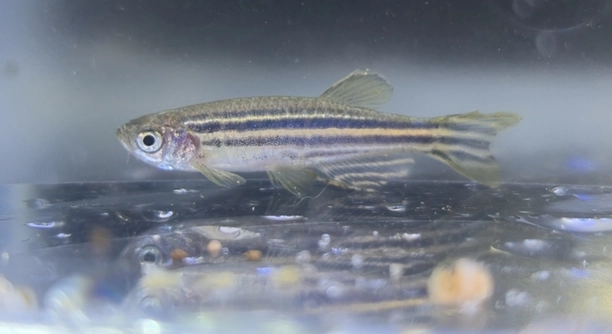
Have you ever noticed your zebra danio acting differently after one of its tank mates disappears or passes away? This change in behavior might leave you wondering about what’s really going on inside their little world.
Zebra danios are social fish and often form strong group bonds, so the loss of a mate or companion can result in noticeable changes in behavior such as isolation, decreased activity, or reduced appetite.
While they may seem simple, zebra danios have social needs worth understanding for their overall well-being. Learning more can help you care for them better.
Understanding Zebra Danio Behavior After Loss
Zebra danios are known for their lively nature and tight group dynamics. These small fish thrive in schools, where they often swim in sync and show signs of social interaction. When one fish from the group dies, especially a mate or a long-term tank companion, the balance can shift. The remaining fish might become less active or even withdraw from the group. This change can be a natural reaction to the disruption in their social structure. Some may also stop eating as much or swim differently than before. These behaviors aren’t just random—they show that zebra danios can be affected by social changes. While they may not grieve in the same way humans do, their shift in behavior is a clear sign that something feels different to them. Watching for these signs helps ensure they’re not left struggling without support after a loss.
Some zebra danios show no changes at all, while others become visibly different. It often depends on their individual temperament and the size of the group.
Adding new fish to the tank can help. Keeping at least six zebra danios together encourages natural behavior and reduces stress. A larger school can bring balance back and offer comfort after a loss.
Helping Your Zebra Danio Adjust
A stable and calm environment supports recovery. Avoid sudden changes in lighting or feeding habits. Let the fish settle in naturally.
If you notice unusual behavior lasting more than a few days, check your tank conditions. Poor water quality, stress from loneliness, or a disrupted pecking order can all make things worse. Test your water, ensure filters are working well, and consider adding live plants for cover and comfort. You might also add a few new zebra danios, especially if the group is small. Slowly introducing new fish gives your existing ones time to adjust without feeling overwhelmed. Make sure any new fish are healthy and properly quarantined before joining the tank. If your zebra danio still seems off, observe its behavior over time and consult a vet who understands aquatic pets. With some care and attention, most zebra danios will begin to re-engage with their group and return to their usual active selves.
Creating a Supportive Tank Environment
Zebra danios feel safer in tanks that mimic their natural environment. Adding plants, hiding spots, and consistent lighting can reduce stress and make them more comfortable after losing a companion.
Live or silk plants offer places to rest and hide, which helps reduce anxiety in zebra danios. Smooth rocks or driftwood can also provide cover. Keep the lighting soft and steady, avoiding sudden brightness or darkness. Sudden changes can startle them and add to their stress. A gentle filter current mimics flowing water, which zebra danios enjoy. Maintaining a water temperature between 64–75°F and stable pH levels also supports their health. If your tank has only a few fish, consider increasing the group size. Zebra danios are more relaxed in schools of six or more. Watching them interact and swim together is a good sign they feel secure. These simple steps make a big difference in their recovery.
Tank mates matter. Keep zebra danios with peaceful species that don’t nip or crowd them. Aggressive fish may add more stress and make recovery harder. Good tank mates include other small schooling fish, bottom dwellers like corydoras, or peaceful snails. Watch for bullying or chasing, especially after a new fish is introduced. If needed, rearrange the tank layout or separate aggressive fish. Avoid overcrowding. An ideal tank size is 10 gallons or more, depending on how many danios and tank mates you have. Overcrowded tanks can lead to water quality problems, higher stress, and territorial behavior. A well-balanced tank allows zebra danios to rebuild social bonds without pressure or competition.
Signs Your Zebra Danio is Lonely
Lonely zebra danios may show odd behaviors like swimming in circles or hiding too much. Some may stop eating or hover in one corner of the tank. These changes often mean they need more social contact.
Zebra danios are active swimmers that normally dart around the tank in groups. If one starts isolating itself or swimming sluggishly, it could be a sign of loneliness. You might also see it chasing its reflection or staying near the glass, hoping to find movement or interaction. These actions usually point to the need for social stimulation. Another clue is a drop in appetite or loss of interest in food, which can happen when they feel stressed or uncertain. Even if water quality is perfect, behavior like this shows something may be missing. Restoring a school environment is one of the best ways to address these signs and help your zebra danio feel secure again.
How Long Do These Changes Last?
Behavior changes after the loss of a tank mate can last a few days to a couple of weeks. This depends on the fish’s personality, the tank conditions, and whether it has other companions for support.
If signs of stress or loneliness continue beyond two weeks, something else may be affecting your zebra danio. Check water quality, tank mates, and feeding habits. Long-term behavior changes usually need more than time to improve.
When to Add New Fish
If your zebra danio continues to seem withdrawn, adding new companions can help. Introduce two or more zebra danios instead of just one to avoid further imbalance. New fish should be quarantined for at least two weeks to prevent illness from spreading. When they’re ready, acclimate them slowly to the main tank. This can improve group behavior and bring back normal activity levels. Watching your zebra danio begin to school again is a good sign it’s adjusting well. Just be sure the tank has enough space and clean water to handle the additions comfortably.
Food and Feeding Changes
A lonely zebra danio may eat less or ignore food completely. Offering high-quality flakes or live food can help stimulate appetite and improve energy.
FAQ
Can zebra danios feel sad after losing a mate?
While zebra danios don’t experience emotions like humans, they do respond to changes in their social environment. Losing a tank mate can cause them stress, making them seem less active or withdrawn. They are social fish and enjoy being in groups, so losing a companion can disrupt their behavior and make them feel uncertain. The best way to help them is by ensuring they are not alone for too long and providing them with other fish to interact with.
How can I tell if my zebra danio is lonely?
Loneliness in zebra danios can show up in a few ways. They may swim slowly or in circles, which indicates restlessness. Sometimes, they hide more often or remain in one corner of the tank. If your zebra danio is refusing food, it could also be a sign that it’s feeling stressed from being alone. If these behaviors persist, consider adding more fish to the tank or adjusting the environment to make them feel secure again.
What is the best tank size for zebra danios?
A tank size of at least 10 gallons is ideal for zebra danios, especially if you are keeping multiple fish. Zebra danios are active swimmers and need enough space to move around. A larger tank also helps maintain water quality, which is important for their health and well-being. If you plan to add other fish, you may need a tank that’s even bigger. The more space they have, the more comfortable they will feel.
How many zebra danios should I keep together?
Zebra danios are social fish and should be kept in groups of at least six. This helps prevent loneliness and stress. When kept in smaller numbers, they can become timid and may not display their natural behaviors. A larger group gives them a sense of security and encourages playful and active behavior. Be sure your tank can accommodate this number comfortably.
Can zebra danios get stressed?
Yes, zebra danios can experience stress. Changes in their environment, poor water quality, or being kept alone can trigger stress. Stress signs can include loss of appetite, unusual swimming patterns, or hiding. Maintaining a stable tank environment, providing enough space, and keeping them in groups can help reduce stress. Regular water changes and monitoring temperature and pH levels are also key to keeping them healthy.
What should I do if my zebra danio isn’t eating after losing a mate?
If your zebra danio refuses to eat after losing a mate, it’s important to address both emotional and environmental factors. Ensure the water quality is optimal, as poor water conditions can cause them to lose their appetite. Try offering live food or high-quality flakes, as they may be more enticing. If possible, add new fish to the tank to provide company. It may take some time for your zebra danio to return to normal eating habits, but be patient and consistent with care.
Can I add other fish to the tank to help my zebra danio?
Yes, adding new fish can help a lonely zebra danio adjust and feel less isolated. However, make sure the new tank mates are compatible. Zebra danios get along well with peaceful fish, such as other small schooling species, snails, or shrimp. Avoid adding aggressive fish that may further stress your zebra danio. Introducing fish slowly and in groups is the best approach. New additions can help restore balance to the tank and provide the zebra danio with the social interaction it needs.
How long does it take for a zebra danio to adjust after losing a mate?
The adjustment period for a zebra danio after losing a mate can vary. Some fish may recover in a few days, while others may take up to two weeks. It depends on the individual fish, the size of the group, and the overall tank environment. If the behavior doesn’t improve after two weeks, consider adding more fish to the tank or checking the water quality for any issues. Observing your zebra danio during this time will help you understand when it’s returning to normal.
What are the signs that my zebra danio is adjusting well?
Signs of a zebra danio adjusting well include resuming normal swimming behavior, socializing with other fish, and eating regularly. If the fish becomes more active and begins to school with others, it’s a good sign that it feels more secure. Healthy appetite and playful behavior are also key indicators of adjustment. If these behaviors return, your zebra danio is likely recovering from the loss of its mate.
Can zebra danios live alone?
Zebra danios can technically survive alone, but they are much happier in groups. Being social fish, they rely on interaction with their own kind for mental stimulation and emotional well-being. Keeping them in groups helps prevent stress and encourages natural behaviors like schooling and socializing. If keeping a single zebra danio, it’s important to closely monitor its health and activity levels to ensure it’s not lonely or stressed.
What should I feed my zebra danios after losing a mate?
Feeding your zebra danio a nutritious diet is important, especially if it’s acting withdrawn after losing a mate. Offer a variety of foods, such as high-quality flakes, live or frozen foods, and occasional treats like brine shrimp or daphnia. Try to keep feeding times consistent and offer small, frequent meals. If your zebra danio is hesitant to eat, try different types of food or make the food more appealing by lightly soaking it in garlic juice or using specialized fish food that stimulates appetite.
Final Thoughts
Zebra danios are active and social fish, thriving in groups. When they lose a mate, they can experience stress and behavioral changes. The way they react to this loss can vary, with some becoming less active or refusing to eat. It’s important to pay attention to these signs, as they are a clear indication that your fish might be struggling emotionally or socially. While zebra danios don’t feel sadness the way humans do, they do rely on their social environment for stability and comfort. If left alone for too long, they can become lonely and stressed.
The key to helping your zebra danio adjust is creating a supportive tank environment. A peaceful, stable setting with plenty of space, hiding spots, and the right water conditions is essential. Adding more zebra danios to the tank can help restore balance and give the remaining fish the company it needs. They are social creatures and feel safer and more confident when in a group. If your tank has enough space and you provide the proper care, your zebra danio will have a better chance of adjusting to the loss. Keep an eye on their behavior and monitor the overall health of the tank to avoid any further stress.
Finally, it’s crucial to remain patient. It may take a few days or even a couple of weeks for your zebra danio to return to its usual self after losing a mate. During this time, focus on creating a calm and supportive environment, ensuring the water quality is optimal, and considering adding new fish. As your zebra danio adjusts, you will likely see it become more active and social again. With the right care and attention, most zebra danios will recover and continue to thrive in their environment.

Hello,
If you enjoy the content that we create, please consider saying a "Thank You!" by leaving a tip.
Every little bit helps us continue crafting quality advice that supports the health, happiness, and well-being of pets around the world, for pets of all shapes, sizes, and species.
We really appreciate the kindness and support that you show us!