
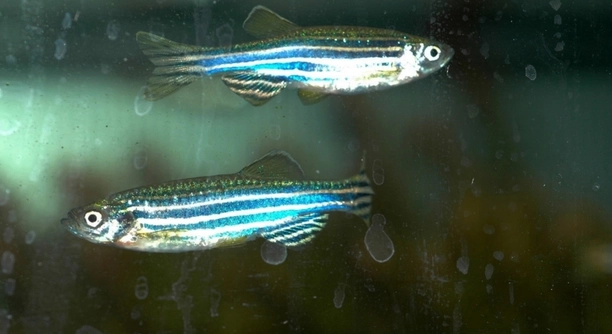
Zebra Danios are popular aquarium fish known for their energetic nature and social behavior. Understanding their social interactions within schools can shed light on their behavior patterns and help aquarium owners better care for them.
Zebra Danios do form social bonds within the school. Their behavior includes swimming together, coordinating movements, and showing preferences for certain individuals, which suggests a degree of social structure and interaction within their groups.
Exploring the nature of these social bonds can provide valuable insights into how Zebra Danios communicate and interact within their schools.
Social Structure in Zebra Danios
Zebra Danios display clear social behaviors when they form schools in the wild and in aquariums. These fish often swim in tight groups, which helps them avoid predators. The fish seem to coordinate their movements and tend to follow each other, which is an indication of their need for social interaction. Within these groups, Zebra Danios have been observed showing preferences for certain individuals, often forming smaller sub-groups within the school. This suggests that social bonds exist, and there is more than just a random grouping. These bonds can impact how they behave and interact with their environment.
Their preference for certain individuals is not just based on physical traits but could also be tied to familiarity or social hierarchy. While Zebra Danios don’t form long-term, complex social bonds like some species, their interactions go beyond mere grouping for safety. They create a dynamic social structure in which cooperation and social recognition play key roles.
Understanding the social behavior of Zebra Danios helps create a more suitable environment for them. By recognizing their social needs, aquarium owners can ensure these fish live in a stress-free, healthy setting.
Behavior Within Schools
Social dynamics among Zebra Danios go beyond mere survival instincts. These fish exhibit complex behavior within schools, such as synchronized swimming and social preferences. This means that they can form loose social bonds, even if they don’t display intense attachment to each other. Understanding these tendencies allows for better aquarium care.
Zebra Danios thrive in environments where they can interact with each other. Their social behavior plays a crucial role in their overall well-being.
Communication in Zebra Danios
Zebra Danios communicate with each other through subtle body movements and changes in swimming patterns. They use these signals to maintain school cohesion and avoid predators. By swimming closely together, they can communicate their location and movement to others in the group, enhancing the safety and coordination of the school.
The way Zebra Danios move through the water shows how they interact with their surroundings and other fish. They might swim in synchronized patterns, often shifting direction as a unit, which helps them respond to threats. These coordinated movements help strengthen the social bonds within the school, ensuring they remain united and aware of potential dangers.
In addition to body movement, Zebra Danios also rely on visual cues and sometimes even physical contact, such as bumping into each other. These forms of communication reinforce their social structure and show how their relationships within the school are maintained.
Social Bonds and Hierarchy
Zebra Danios establish a loose social hierarchy within their schools. Dominant individuals often lead the group, directing the direction of movement and pace. This behavior helps maintain order within the school and ensures that the group stays cohesive. Submissive fish tend to follow those in charge and stay close to the center of the school for protection.
The hierarchy among Zebra Danios is not rigid, as there is fluidity in leadership within the school. A dominant fish may not hold that position permanently, as others may challenge or take over based on factors such as size, strength, or confidence. These shifting roles contribute to the social dynamics and flexibility of the group, making it adaptable to environmental changes.
Understanding this social structure is essential for aquarium owners. Mimicking the natural school hierarchy in a tank can reduce stress and improve the overall health of the fish. Ensuring that the fish feel safe and part of a group allows them to thrive in captivity.
Role of Environment in Social Behavior
The environment plays a significant role in shaping the social behavior of Zebra Danios. They are more likely to form stronger social bonds in well-maintained aquariums with plenty of space. When kept in a confined or poorly maintained tank, their social interactions can become limited and stressed.
Fish living in an ideal environment feel secure, allowing them to engage in more natural social behaviors. Proper water quality, hiding spaces, and tank mates also influence how these fish interact with each other. These factors encourage social cohesion and overall well-being, leading to healthier, more active fish.
Group Size and Dynamics
The size of the school can affect Zebra Danios’ social dynamics. Smaller groups may not exhibit the same strong social interactions as larger schools. Fish in smaller schools may be more isolated, leading to weaker social bonds and more stress. Larger groups foster a greater sense of security, which can improve their social behavior.
By keeping Zebra Danios in schools of six or more, their social interactions become more natural, helping reduce aggression and promote a sense of community. This encourages fish to form the social bonds necessary for their overall health and happiness.
Observing Zebra Danios in Action
When observing Zebra Danios in a well-sized school, it’s clear how they interact. They use synchronized swimming, darting, and even physical touches to communicate. These behaviors are all part of their natural social structure. Watching them interact with each other provides insights into their social needs and preferences.
FAQ
Do Zebra Danios need to live in schools?
Yes, Zebra Danios thrive in schools. In the wild, they form groups to protect themselves from predators. In an aquarium, keeping them in groups of at least five or six will help them feel secure and reduce stress. When isolated, they can become skittish and less active, which can impact their health. A larger group encourages natural behavior, such as coordinated swimming, and helps maintain their well-being.
Can Zebra Danios form bonds with other fish?
Zebra Danios are social creatures but are primarily focused on their school. They may interact with other species in the tank, but they don’t form deep social bonds with them like they do with fellow Zebra Danios. Some peaceful tank mates may get along well with Zebra Danios, but it’s important to consider the size, temperament, and needs of all the fish in the tank.
What type of environment is best for Zebra Danios?
Zebra Danios do best in a well-maintained aquarium with stable water conditions. They prefer a tank with plenty of swimming space and plants for hiding, although they are quite active and enjoy exploring. The water temperature should range between 65°F and 75°F (18°C–24°C), and a filtration system is necessary to keep the water clean. Regular water changes are important for maintaining their health. A tank that mimics their natural environment will encourage natural behaviors and promote social interaction.
How do Zebra Danios communicate with each other?
Zebra Danios communicate primarily through body movements and swimming patterns. They use synchronized movements to stay in line with the group. Changes in swimming direction or speed can signal danger or prompt the school to scatter. Occasionally, they also use physical contact, such as bumping into each other, to reinforce social bonds. These subtle behaviors are key to maintaining their social structure within the school.
Are Zebra Danios aggressive?
Zebra Danios are generally peaceful fish, but they can become competitive, especially when resources like food or space are limited. They might show aggression toward smaller or weaker fish. However, this aggression is usually not severe, and they rarely cause lasting harm. Providing enough space and hiding spots in the tank can help reduce aggression. As long as their environment is stable and their school is large enough, they tend to be calm and sociable.
Do Zebra Danios interact with other species in the tank?
Zebra Danios can live peacefully with many other species, especially those that are also active and not overly aggressive. Suitable tank mates include other peaceful fish such as guppies, mollies, and small tetras. Avoid pairing them with larger or more aggressive species that may bully them. Danios are known for their active and curious nature, so they’ll likely engage with other fish, but they won’t form close social bonds with them.
Can Zebra Danios live alone?
Zebra Danios are social fish and prefer to live in groups. While they can technically survive alone, they may become stressed, less active, and display abnormal behavior. Living alone can negatively impact their overall health and well-being. It is best to keep them in a school of at least five or six to ensure they feel secure and interact naturally.
Do Zebra Danios display any signs of stress?
Yes, stressed Zebra Danios may exhibit several signs. These can include erratic swimming, excessive hiding, loss of appetite, and changes in coloration. If they are kept alone or in an overcrowded tank, they may become more stressed. Providing a proper environment with stable water conditions, sufficient space, and other Zebra Danios to interact with can help prevent stress and promote healthy behavior.
How can I tell if my Zebra Danios are happy?
Healthy Zebra Danios are active, curious, and social. They will swim energetically with their school, frequently darting around and exploring the tank. Their colors should be vibrant, and they should be feeding regularly. If they are interacting well with each other and the tank environment, it’s a good indication that they are happy and comfortable.
Can Zebra Danios breed in captivity?
Yes, Zebra Danios can breed in captivity. They are egg layers and do best in a separate breeding tank with plenty of plants to provide hiding spots for the eggs. The male Danios court the females by swimming around them, and the female will lay her eggs in the plants. After fertilization, the eggs hatch within a few days. The parents should be removed from the breeding tank to prevent them from eating the eggs.
What should I feed Zebra Danios?
Zebra Danios are omnivorous and require a balanced diet. They will eat high-quality flake food, frozen or live foods such as brine shrimp or daphnia, and even small amounts of vegetable matter. Feeding them a varied diet will ensure they receive all the necessary nutrients for healthy growth and vibrant coloration. Be sure to avoid overfeeding, as this can lead to water quality issues and health problems.
How long do Zebra Danios live?
Zebra Danios typically live for about 3 to 5 years in captivity, though some have been known to live longer with optimal care. Providing a stable environment, proper diet, and regular tank maintenance can help ensure they live a long and healthy life. Keeping them in a suitable group and monitoring their health regularly is key to extending their lifespan.
What tank size is best for Zebra Danios?
Zebra Danios are small and active fish, so they require a tank that allows them to swim freely. A minimum tank size of 20 gallons is recommended for a small group. If you plan to keep more Danios or other species in the same tank, a larger tank will be necessary. Adequate space helps prevent stress and aggression and supports the natural behaviors of the fish.
Final Thoughts
Zebra Danios are active and social fish that thrive in a school environment. Their natural behavior revolves around the dynamics of a group, making it essential to keep them in numbers to ensure their well-being. A healthy school of Zebra Danios will not only reduce stress but also promote natural behaviors such as synchronized swimming and playful interactions. These behaviors are vital for their overall health, and when housed in the right conditions, Zebra Danios can thrive in both small home aquariums and larger setups.
The key to maintaining happy Zebra Danios lies in providing them with a proper environment. A well-maintained tank, with clean water and stable temperatures, is crucial for their health. They are relatively easy to care for, but like all fish, they have specific needs that should be met. A proper balance of space, hiding spots, and good water quality will keep them comfortable and reduce the chances of stress-related behavior. Ensuring that their environment reflects their natural habitat encourages their social nature and helps them live a long, healthy life.
If you’re considering Zebra Danios as part of your aquarium, remember that they require more than just a tank and food. Their social structure is an essential part of their well-being. Keep them in groups, provide them with a peaceful tank environment, and maintain proper care routines to enjoy the full benefits of keeping these energetic, colorful fish. By understanding their needs and behaviors, you can create a thriving environment where they can form strong social bonds and live happily for years.

Hello,
If you enjoy the content that we create, please consider saying a "Thank You!" by leaving a tip.
Every little bit helps us continue crafting quality advice that supports the health, happiness, and well-being of pets around the world, for pets of all shapes, sizes, and species.
We really appreciate the kindness and support that you show us!